



Wizards of the Coast’s Impact on Tabletop
Few companies have been quite as synonymous with tabletop game publishing over the years as Wizards of the Coast (WotC). The company was founded in May 1990 by Peter Adkison and Ken McGlothlen; Adkison had previously self-published a wargame called Castles and Conquest and had written the Chaldea campaign for Dungeons and Dragons in the 1980s. The name “Wizards of the Coast” was actually based on an in-game guild from one of Adkison’s roleplaying experiences.
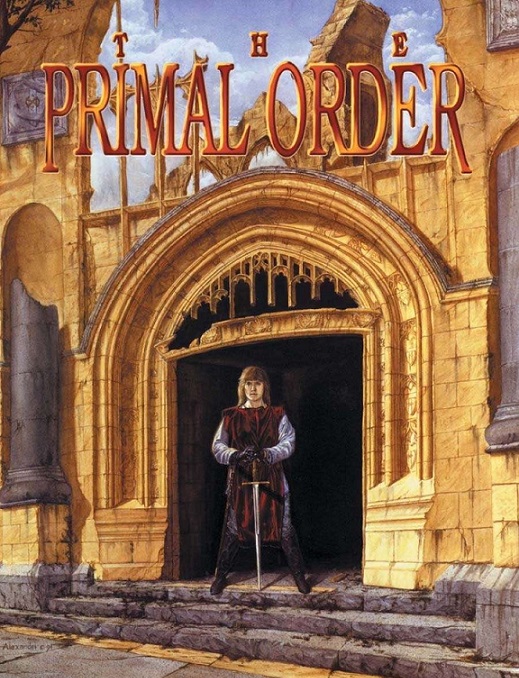
One of the first titles WotC began working on was a roleplaying game called The Primal Order, which was designed by Adkison. The game didn’t release until 1992, but it did introduce the “Capsystem” concept, which allowed for game runners to integrate various other titles that used the same system into The Primal Order. WotC also began publishing the third edition of the already-established Talislanta around the same time.
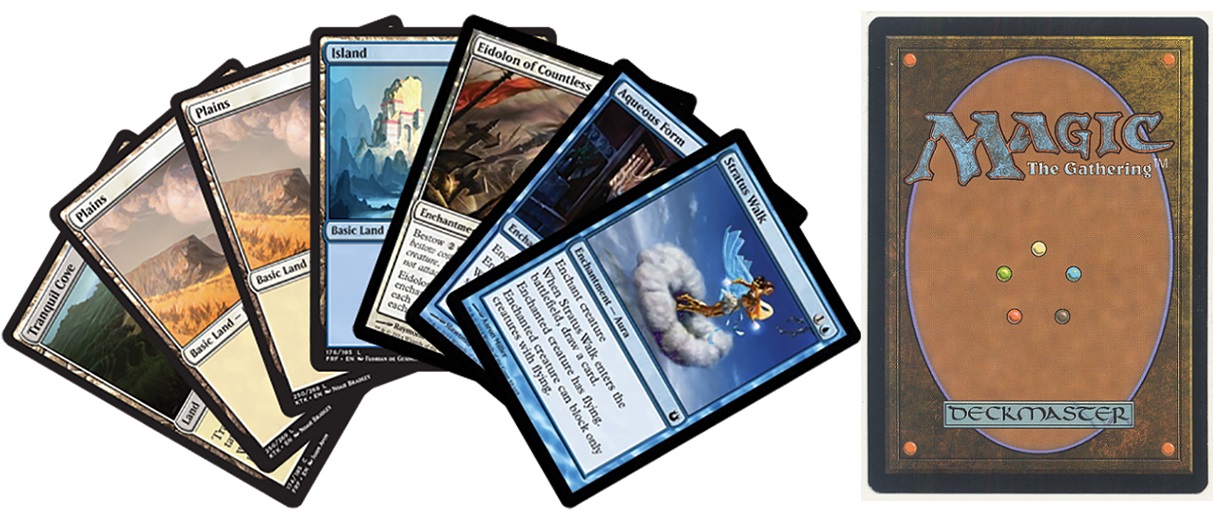
The company struck gold early in its history with Magic: The Gathering. The card game’s creator, Richard Garfield, had approached WotC in ’91 with an idea for a board game, RoboRally; however, the game was shot down because of how expensive it would have been to produce. Instead, Garfield was asked to create a portable game that was easy to learn and could be finished quickly – the result was Magic, though it was originally called Manaclash. The game debuted in the summer of 1993, where it was exhibited at both Origins Game Fair and Gen Con. The company had produced about 2.5 million cards, anticipating that it would be enough to last them through the end of that year, but Magic proved to be so exceptionally popular that they sold out of the entire supply by the time Gen Con was over.
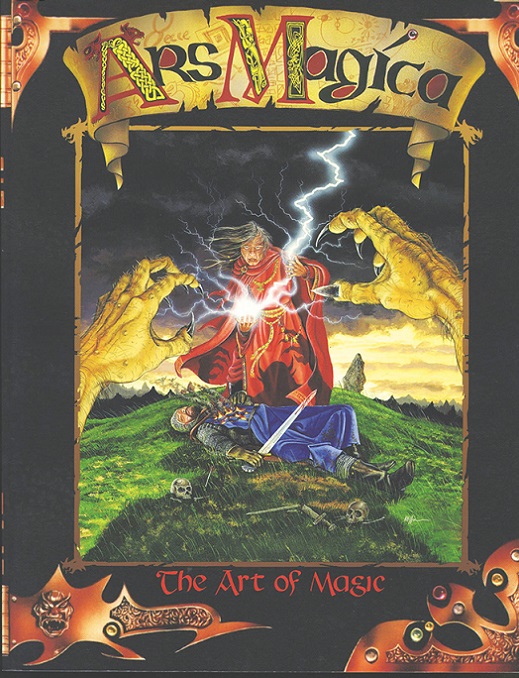
Magic has since won dozens of industry awards in the two and a half decades since its original launch and is still a seemingly unbeatable juggernaut when it comes to collectible card games. Plus, thanks to the success of the game, WotC was able to expand from a small operation essentially running out of Adkison’s basement into a massive publishing company that employed several hundred people. Garfield’s original board game RoboRally was also eventually published in ’94, and that too picked up several industry awards. Other games published by WotC around this time included SLA Industries, Ars Magica, The Great Dalmuti, and Everway.
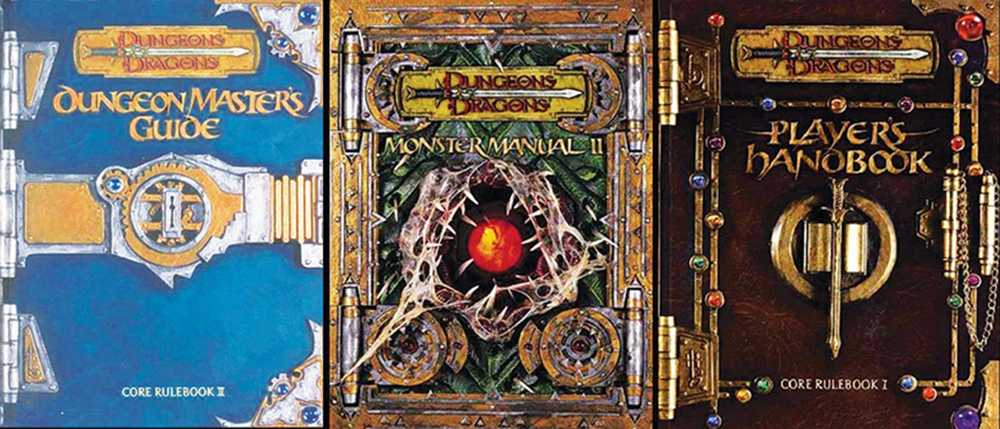
In April 1997, WotC acquired TSR, the publisher of Dungeons and Dragons. TSR had been struggling financially for years at that point, and the company had been sitting on years’ worth of unsold stock; TSR actually entered 1997 more than $30 million in debt. That summer, the Third Edition of D&D entered development, allowing for Adkison and WotC as a whole to essentially put their own spin on the classic roleplaying game. D&D’s Third Edition would release in 2000, alongside the d20 System and the Open Game License, which allowed other publishers to use the systems most closely associated with D&D.
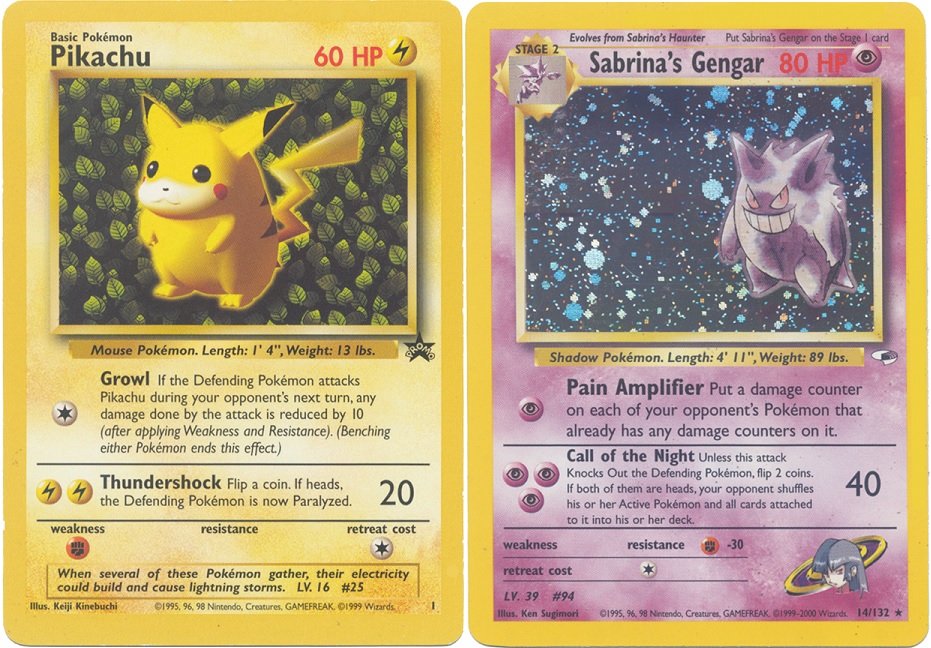
While WotC had already established themselves as the go-to company for card games thanks to the wild success of Magic, another game came along that essentially allowed lightning to strike twice – Pokémon. The Pokémon Trading Card Game was first published by Media Factory in Japan in 1996, and WotC was able to secure the rights to publish it in America. The colorful card game had already seen massive success in Japan (unsurprising, given the enormous popularity of the franchise at large at the time), and in January 1999, WotC began publishing the game in English. The game proved to be hugely popular in the US and around the world, and exceeded WotC’s sales projections by about 10 times what they had expected. Several millions of Pokémon cards had been sold within just the first year once the game was made available in English.
In September 1999, WotC was acquired by Hasbro for $325 million, and Avalon Hill (which had been acquired by Hasbro the previous year) was made a subsidiary of WotC. That same year, WotC purchased the gaming retailer The Game Keeper, and turned those stores into Wizards of the Coast stores. They could be found in malls across the country and played host to various events, such as Dungeons and Dragons nights, Magic tournaments, and the Pokémon Trading Card League.
In January 2001, Peter Adkison resigned from Wizards; he would go on to take over Gen Con the following year and is still the owner of the convention today. Around the same time, WotC began outsourcing its various magazines (Dungeon, Dragon, Polyhedron) to Paizo Publishing – Paizo has since become perhaps better known as the publisher of the Pathfinder roleplaying game, which uses the d20 system that WotC had released years before.
All Wizards of the Coast retail locations were closed by the spring of 2004, as the company opted to focus entirely on game design and publication. WotC has continued to publish various card games, board games, and tabletop games in the years since (the company no longer publishes Pokémon, as that game was taken over by The Pokémon Company in 2003). In 2008, the Fourth Edition of Dungeons and Dragons released, aiming to be more accessible to new players by offering a more streamlined set of rules. This was followed up in 2014 with the Fifth Edition, which features further rebalancing of gameplay that draws from various previous editions of the game.
Meanwhile, Magic: The Gathering continues to be the driving force when it comes to collectible card games, with new sets and expansions releasing multiple times per year. In 2016, Hasbro announced Chris Cocks as the new President of Wizards of the Coast, who joined the company after spending several years working for Microsoft.
Though there have certainly been ups and downs for the company throughout the years, Wizards of the Coast remains one of the most recognizable names in tabletop gaming. Having continued to play host to some of the biggest games out there, Wizards remains a titan in the industry and is sure to remain one for years to come.

Popular Topics
Overstreet Access Quick Links
Wizards of the Coast’s Impact on Tabletop
Few companies have been quite as synonymous with tabletop game publishing over the years as Wizards of the Coast (WotC). The company was founded in May 1990 by Peter Adkison and Ken McGlothlen; Adkison had previously self-published a wargame called Castles and Conquest and had written the Chaldea campaign for Dungeons and Dragons in the 1980s. The name “Wizards of the Coast” was actually based on an in-game guild from one of Adkison’s roleplaying experiences.
One of the first titles WotC began working on was a roleplaying game called The Primal Order, which was designed by Adkison. The game didn’t release until 1992, but it did introduce the “Capsystem” concept, which allowed for game runners to integrate various other titles that used the same system into The Primal Order. WotC also began publishing the third edition of the already-established Talislanta around the same time.
The company struck gold early in its history with Magic: The Gathering. The card game’s creator, Richard Garfield, had approached WotC in ’91 with an idea for a board game, RoboRally; however, the game was shot down because of how expensive it would have been to produce. Instead, Garfield was asked to create a portable game that was easy to learn and could be finished quickly – the result was Magic, though it was originally called Manaclash. The game debuted in the summer of 1993, where it was exhibited at both Origins Game Fair and Gen Con. The company had produced about 2.5 million cards, anticipating that it would be enough to last them through the end of that year, but Magic proved to be so exceptionally popular that they sold out of the entire supply by the time Gen Con was over.
Magic has since won dozens of industry awards in the two and a half decades since its original launch and is still a seemingly unbeatable juggernaut when it comes to collectible card games. Plus, thanks to the success of the game, WotC was able to expand from a small operation essentially running out of Adkison’s basement into a massive publishing company that employed several hundred people. Garfield’s original board game RoboRally was also eventually published in ’94, and that too picked up several industry awards. Other games published by WotC around this time included SLA Industries, Ars Magica, The Great Dalmuti, and Everway.
In April 1997, WotC acquired TSR, the publisher of Dungeons and Dragons. TSR had been struggling financially for years at that point, and the company had been sitting on years’ worth of unsold stock; TSR actually entered 1997 more than $30 million in debt. That summer, the Third Edition of D&D entered development, allowing for Adkison and WotC as a whole to essentially put their own spin on the classic roleplaying game. D&D’s Third Edition would release in 2000, alongside the d20 System and the Open Game License, which allowed other publishers to use the systems most closely associated with D&D.
While WotC had already established themselves as the go-to company for card games thanks to the wild success of Magic, another game came along that essentially allowed lightning to strike twice – Pokémon. The Pokémon Trading Card Game was first published by Media Factory in Japan in 1996, and WotC was able to secure the rights to publish it in America. The colorful card game had already seen massive success in Japan (unsurprising, given the enormous popularity of the franchise at large at the time), and in January 1999, WotC began publishing the game in English. The game proved to be hugely popular in the US and around the world, and exceeded WotC’s sales projections by about 10 times what they had expected. Several millions of Pokémon cards had been sold within just the first year once the game was made available in English.
In September 1999, WotC was acquired by Hasbro for $325 million, and Avalon Hill (which had been acquired by Hasbro the previous year) was made a subsidiary of WotC. That same year, WotC purchased the gaming retailer The Game Keeper, and turned those stores into Wizards of the Coast stores. They could be found in malls across the country and played host to various events, such as Dungeons and Dragons nights, Magic tournaments, and the Pokémon Trading Card League.
In January 2001, Peter Adkison resigned from Wizards; he would go on to take over Gen Con the following year and is still the owner of the convention today. Around the same time, WotC began outsourcing its various magazines (Dungeon, Dragon, Polyhedron) to Paizo Publishing – Paizo has since become perhaps better known as the publisher of the Pathfinder roleplaying game, which uses the d20 system that WotC had released years before.
All Wizards of the Coast retail locations were closed by the spring of 2004, as the company opted to focus entirely on game design and publication. WotC has continued to publish various card games, board games, and tabletop games in the years since (the company no longer publishes Pokémon, as that game was taken over by The Pokémon Company in 2003). In 2008, the Fourth Edition of Dungeons and Dragons released, aiming to be more accessible to new players by offering a more streamlined set of rules. This was followed up in 2014 with the Fifth Edition, which features further rebalancing of gameplay that draws from various previous editions of the game.
Meanwhile, Magic: The Gathering continues to be the driving force when it comes to collectible card games, with new sets and expansions releasing multiple times per year. In 2016, Hasbro announced Chris Cocks as the new President of Wizards of the Coast, who joined the company after spending several years working for Microsoft.
Though there have certainly been ups and downs for the company throughout the years, Wizards of the Coast remains one of the most recognizable names in tabletop gaming. Having continued to play host to some of the biggest games out there, Wizards remains a titan in the industry and is sure to remain one for years to come.
Popular Topics
Overstreet Access Quick Links