



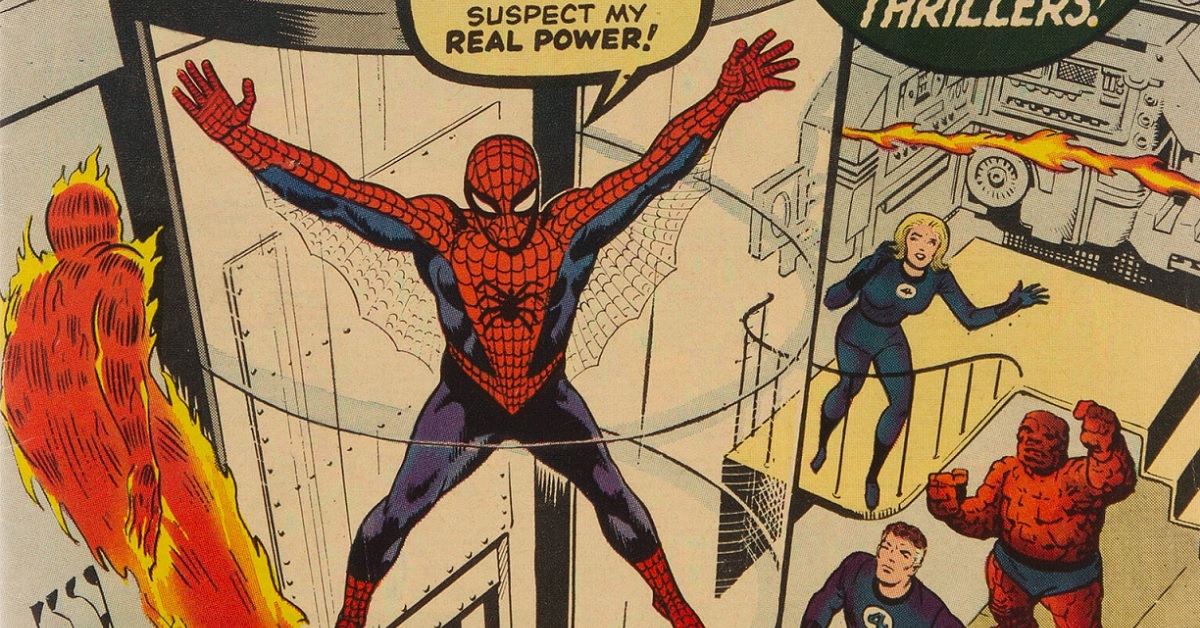
The Amazing Spider-Man’s Spectacular Foundation
The Amazing Spider-Man is one of the longest running comic book series that has been published on a near-continuous basis for over 60 years. It was immediately differentiated from other superhero books of the time by making the main protagonist a teenage superhero instead of being a sidekick for an adult hero. Not only that, Peter Parker/Spider-Man was given real substance, intellect, and overcame fears to be a hero. He wasn’t just there to say catchphrases or follow an adult’s lead. He accepted that having great power meant shouldering great responsibility.
Amazing Spider-Man was originally written/edited by Stan Lee and drawn/co-plotted by Steve Ditko, the duo who created Spider-Man. They developed him into a complicated young hero. Spider-Man was hampered by self-doubt, unlike the more commonly confident superheroes who were certain that they were doing what was right. The creators also put a lot of effort into developing Peter Parker as his own character with goals and obstacles that weren’t connected to Spider-Man. In making a flawed, well intentioned character, Lee and Ditko gave readers someone who was relatable.
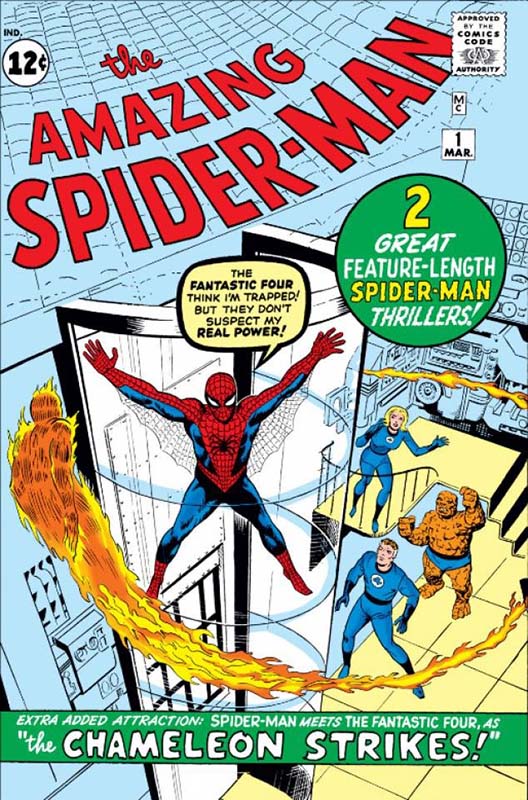
Amazing Spider-Man Volumes 1-7
The book debuted in March 1963, seven months after Spider-Man was introduced in Amazing Fantasy #15. They worked together until issue 38 when Ditko left, and Lee continued writing the book until issue 100. The first volume ran continuously until issue 441 (November 1998).
The second volume of Amazing Spider-Man began in January 1999, starting with a new issue 1 and went to issue 58. It returned to legacy numbering with issue 500 (December 2003) and went to issue 700. The next volume began in June 2014, restarting at issue 1 and going to issue 20.1 (October 2015). Volume four started in December 2015 with another issue 1 and went to issue 32 before picking up the original continuity at issue 789 (December 2017) and going to issue 801 (August 2018).
Volume five picked up after the events of issue 801, but with a new issue 1 (September 2018) and continuing to issue 93 (May 2022). A new volume began in June 2022 and ran as issues 1-72. The current volume seven started with issue 1 (June 2025) and went to issue 35 (October 2026) before the upcoming milestone issue 1000 (November 2026).
Stan Lee and Steve Ditko’s Run
Spider-Man’s early issues were centered around the beginning of his superhero career and Peter Parker’s life as a teenager. Peter was a good natured, likeable kid who is often dealt unfair hands. He was bullied by Midtown High classmates Flash Thompson and Liz Allan and was confronted by negative reactions and assumptions about Spider-Man. He worked for the boorish Daily Bugle editor J. Jonah Jameson and put up with his boss’s Spider-Man mudslinging to support himself and his Aunt May.
Lee and Ditko were responsible for creating a cavalcade of Spider-Man’s best villains. They introduced Chameleon, a master of disguise; Vulture, a genius who uses mechanical wings to fly; and the Tinkerer, a gadget inventor – all in the first two issues. The pair created Doctor Octopus, a scientist who uses mechanical arms; the shape-shifting Sandman; the Lizard, a geneticist who transformed himself into an animal; and Electro, a lineman who gains power over electricity – all before issue ten. By issue 15, they introduced Mysterio, the illusionist turned criminal; Green Goblin, a psychotic criminal mastermind and perhaps Spidey’s No. 1 nemesis; and Kraven the Hunter, who wanted to hunt Spider-Man.
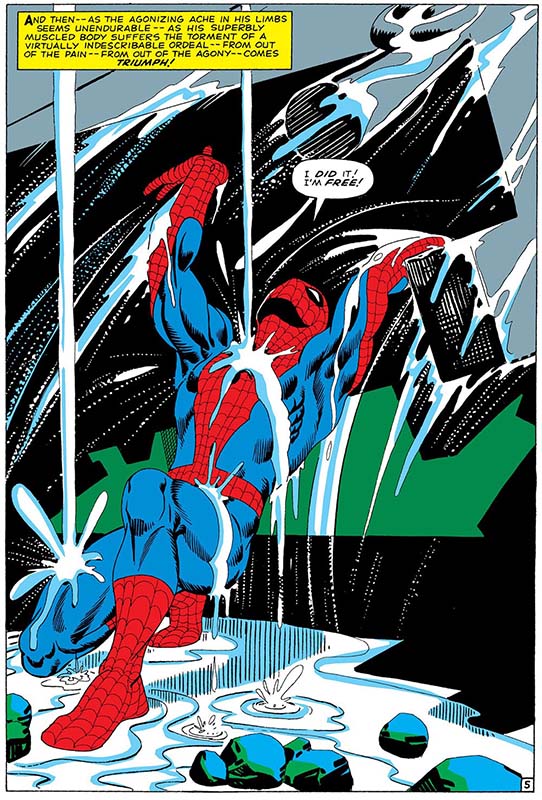
On top of the gallery of long-running villains, Ditko and Lee also created reporter Ned Leeds, love interest Gwen Stacy, and Peter’s friend Harry Osborn and his father Norman Osborn. The duo also created other villains like the Living Brain, the Scorpion, and the Molten Man. One of their last big collaborations was an emotionally charged scene in issue 33. Spider-Man summoned all his energy and determination to free himself from machinery that was crushing him.
John Romita Sr. Takes Over As Artist
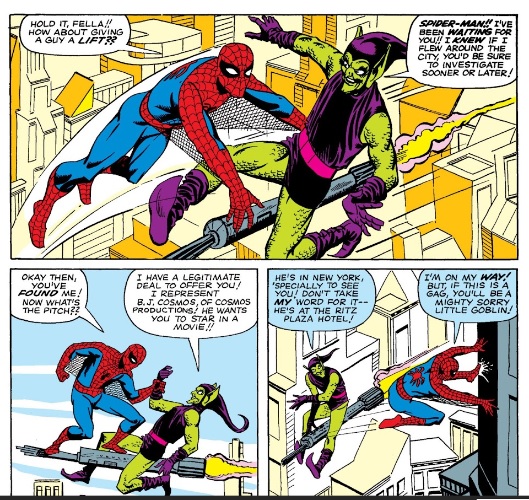
John Romita Sr. took over art duties in issue 39. While Ditko’s art gave Spider-Man a lean look, Romita redesigned him with a more traditional superhero style. The Lee and Romita era began with the crucial exchange between Green Goblin and Spider-Man when the villain learned the hero’s identity and revealed that he was Norman Osborn.
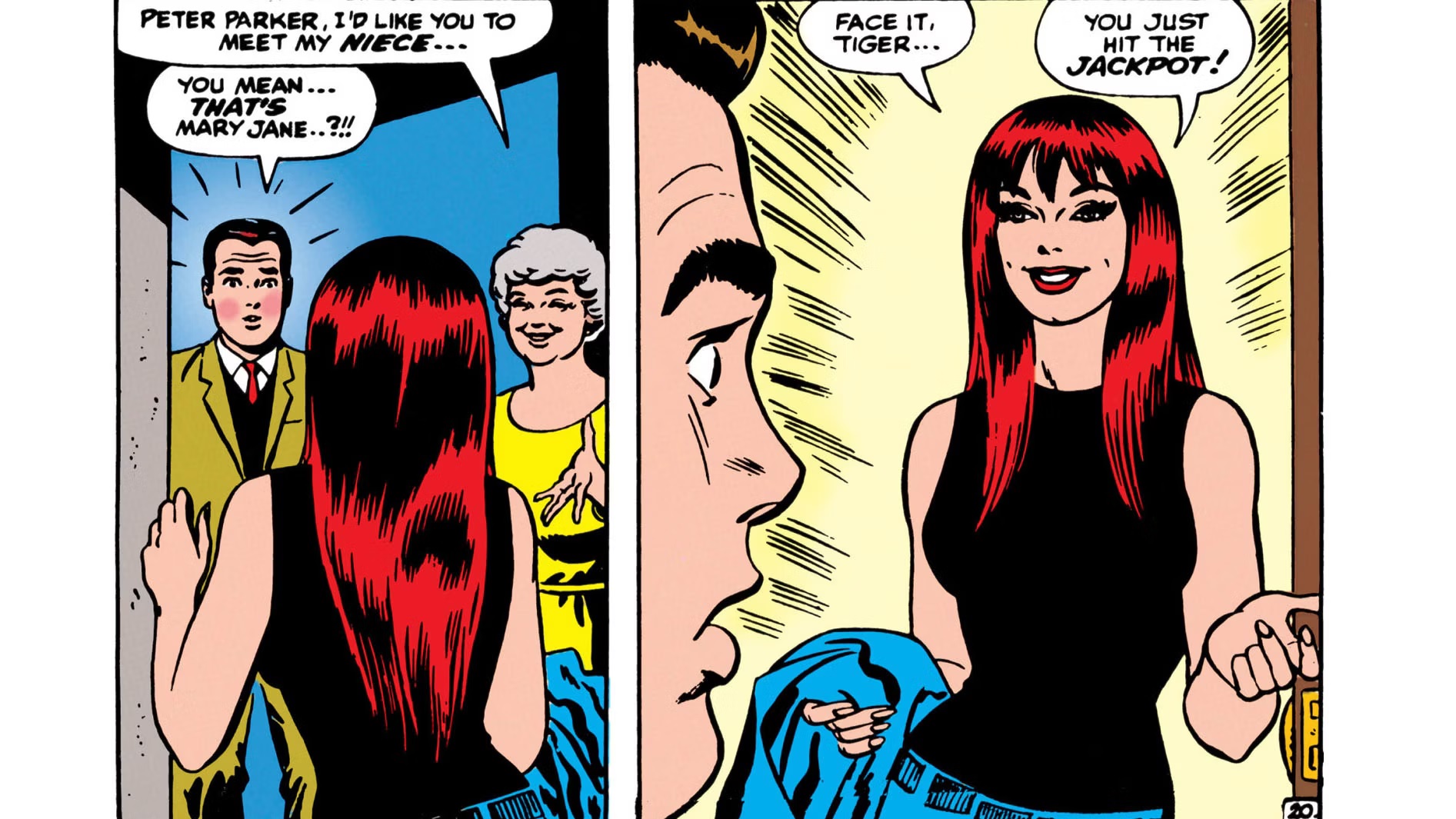
They produced the first full appearance of Peter’s long-running love interest Mary Jane Watson. She had had a cameo during the Lee-Ditko run, but her face was hidden behind a plant. This gave Romita the freedom to design her look, using Ann-Margret and her fiery red hair as a basis for the character.
Romita and Lee continued to produce creative villains for the series like Rhino, a thug who underwent a procedure to become more powerful; the Shocker, a thief who uses shock-producing gauntlets; and the Prowler, a battle-suit wearing villain turned hero. They also created the Kingpin, an intelligent, tactical crime boss who would become Daredevil’s greatest foe and one of the most popular villains in Marvel comics.
Their run on the title improved Peter’s relationships with supporting characters. Those characters were also given more storylines that were focused on their own experiences and not just on their connections to Peter/Spider-Man. Lee and Romita produced stories that acknowledged current social issues like the Civil Rights Movement, the Vietnam War, political elections, prisoners’ rights, and racism.
Amazing Spider-Man’s More Mature Stories
The serious storytelling continued with Captain George Stacy’s death in the first story penciled by Gil Kane (he and Romita started alternating art duties at that point). In another bold story, Lee wrote a tale about Harry Osborn overdosing on pills and ending up in the hospital. He wrote the storyline when the US Department of Health, Education, and Welfare requested that a comic show the dangers of drug use. The Comics Code Authority refused to give it their seal since it depicted drugs, but publisher Martin Goodman signed off on the book. It was well received by readers and Marvel was praised for how they illustrated the dangers of drugs.
The book’s next milestone came when Morbius, the Living Vampire was introduced in the first story not written by Lee. Roy Thomas wrote the book for a few issues, Lee returned briefly, and then Gerry Conway became the main writer for the next few years.
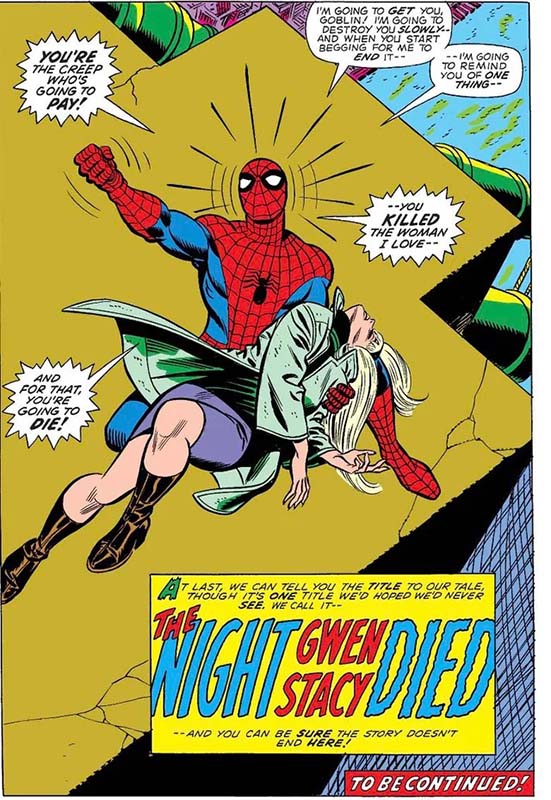
In 1973, Conway, Kane, and Romita delivered an issue that broke superhero rules with their story “The Night Gwen Stacy Died” in issue 121. That issue shocked readers because superheroes’ significant others were often put in danger, but they were never killed. The hero always swooped in at the last second to save romantic partners, not fail in such a catastrophic way. That issue is recognized as a turning point that heralded the end of the Silver Age and the start of the grittier Bronze Age.
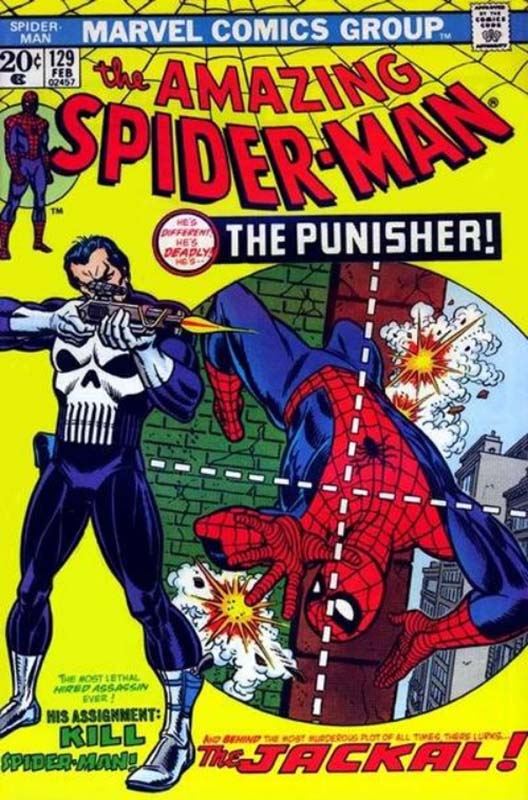
All of these milestones occurred in just the first decade of Amazing Spider-Man. The book would continue to churn out major moments, like the introduction of the Punisher – one of Marvel’s most popular antiheroes – in issue 129. Conway and Ross Andru turned Harry Osborn into the new Green Goblin, and Marv Wolfman and Keith Pollard created the likeable Black Cat. Mary Jane would reveal that she knew Spider-Man’s identity and the pair eventually got married. Spidey got his black suit that was revealed to be an alien symbiote, which led to the introduction of Venom. The Amazing Spider-Man will soon have another major moment when issue 1000 hits newsstands. Not bad for a Friendly Neighborhood Spider-Man.

Popular Topics
Overstreet Access Quick Links
The Amazing Spider-Man’s Spectacular Foundation
The Amazing Spider-Man is one of the longest running comic book series that has been published on a near-continuous basis for over 60 years. It was immediately differentiated from other superhero books of the time by making the main protagonist a teenage superhero instead of being a sidekick for an adult hero. Not only that, Peter Parker/Spider-Man was given real substance, intellect, and overcame fears to be a hero. He wasn’t just there to say catchphrases or follow an adult’s lead. He accepted that having great power meant shouldering great responsibility.
Amazing Spider-Man was originally written/edited by Stan Lee and drawn/co-plotted by Steve Ditko, the duo who created Spider-Man. They developed him into a complicated young hero. Spider-Man was hampered by self-doubt, unlike the more commonly confident superheroes who were certain that they were doing what was right. The creators also put a lot of effort into developing Peter Parker as his own character with goals and obstacles that weren’t connected to Spider-Man. In making a flawed, well intentioned character, Lee and Ditko gave readers someone who was relatable.
Amazing Spider-Man Volumes 1-7
The book debuted in March 1963, seven months after Spider-Man was introduced in Amazing Fantasy #15. They worked together until issue 38 when Ditko left, and Lee continued writing the book until issue 100. The first volume ran continuously until issue 441 (November 1998).
The second volume of Amazing Spider-Man began in January 1999, starting with a new issue 1 and went to issue 58. It returned to legacy numbering with issue 500 (December 2003) and went to issue 700. The next volume began in June 2014, restarting at issue 1 and going to issue 20.1 (October 2015). Volume four started in December 2015 with another issue 1 and went to issue 32 before picking up the original continuity at issue 789 (December 2017) and going to issue 801 (August 2018).
Volume five picked up after the events of issue 801, but with a new issue 1 (September 2018) and continuing to issue 93 (May 2022). A new volume began in June 2022 and ran as issues 1-72. The current volume seven started with issue 1 (June 2025) and went to issue 35 (October 2026) before the upcoming milestone issue 1000 (November 2026).
Stan Lee and Steve Ditko’s Run
Spider-Man’s early issues were centered around the beginning of his superhero career and Peter Parker’s life as a teenager. Peter was a good natured, likeable kid who is often dealt unfair hands. He was bullied by Midtown High classmates Flash Thompson and Liz Allan and was confronted by negative reactions and assumptions about Spider-Man. He worked for the boorish Daily Bugle editor J. Jonah Jameson and put up with his boss’s Spider-Man mudslinging to support himself and his Aunt May.
Lee and Ditko were responsible for creating a cavalcade of Spider-Man’s best villains. They introduced Chameleon, a master of disguise; Vulture, a genius who uses mechanical wings to fly; and the Tinkerer, a gadget inventor – all in the first two issues. The pair created Doctor Octopus, a scientist who uses mechanical arms; the shape-shifting Sandman; the Lizard, a geneticist who transformed himself into an animal; and Electro, a lineman who gains power over electricity – all before issue ten. By issue 15, they introduced Mysterio, the illusionist turned criminal; Green Goblin, a psychotic criminal mastermind and perhaps Spidey’s No. 1 nemesis; and Kraven the Hunter, who wanted to hunt Spider-Man.
On top of the gallery of long-running villains, Ditko and Lee also created reporter Ned Leeds, love interest Gwen Stacy, and Peter’s friend Harry Osborn and his father Norman Osborn. The duo also created other villains like the Living Brain, the Scorpion, and the Molten Man. One of their last big collaborations was an emotionally charged scene in issue 33. Spider-Man summoned all his energy and determination to free himself from machinery that was crushing him.
John Romita Sr. Takes Over As Artist
John Romita Sr. took over art duties in issue 39. While Ditko’s art gave Spider-Man a lean look, Romita redesigned him with a more traditional superhero style. The Lee and Romita era began with the crucial exchange between Green Goblin and Spider-Man when the villain learned the hero’s identity and revealed that he was Norman Osborn.
They produced the first full appearance of Peter’s long-running love interest Mary Jane Watson. She had had a cameo during the Lee-Ditko run, but her face was hidden behind a plant. This gave Romita the freedom to design her look, using Ann-Margret and her fiery red hair as a basis for the character.
Romita and Lee continued to produce creative villains for the series like Rhino, a thug who underwent a procedure to become more powerful; the Shocker, a thief who uses shock-producing gauntlets; and the Prowler, a battle-suit wearing villain turned hero. They also created the Kingpin, an intelligent, tactical crime boss who would become Daredevil’s greatest foe and one of the most popular villains in Marvel comics.
Their run on the title improved Peter’s relationships with supporting characters. Those characters were also given more storylines that were focused on their own experiences and not just on their connections to Peter/Spider-Man. Lee and Romita produced stories that acknowledged current social issues like the Civil Rights Movement, the Vietnam War, political elections, prisoners’ rights, and racism.
Amazing Spider-Man’s More Mature Stories
The serious storytelling continued with Captain George Stacy’s death in the first story penciled by Gil Kane (he and Romita started alternating art duties at that point). In another bold story, Lee wrote a tale about Harry Osborn overdosing on pills and ending up in the hospital. He wrote the storyline when the US Department of Health, Education, and Welfare requested that a comic show the dangers of drug use. The Comics Code Authority refused to give it their seal since it depicted drugs, but publisher Martin Goodman signed off on the book. It was well received by readers and Marvel was praised for how they illustrated the dangers of drugs.
The book’s next milestone came when Morbius, the Living Vampire was introduced in the first story not written by Lee. Roy Thomas wrote the book for a few issues, Lee returned briefly, and then Gerry Conway became the main writer for the next few years.
In 1973, Conway, Kane, and Romita delivered an issue that broke superhero rules with their story “The Night Gwen Stacy Died” in issue 121. That issue shocked readers because superheroes’ significant others were often put in danger, but they were never killed. The hero always swooped in at the last second to save romantic partners, not fail in such a catastrophic way. That issue is recognized as a turning point that heralded the end of the Silver Age and the start of the grittier Bronze Age.
All of these milestones occurred in just the first decade of Amazing Spider-Man. The book would continue to churn out major moments, like the introduction of the Punisher – one of Marvel’s most popular antiheroes – in issue 129. Conway and Ross Andru turned Harry Osborn into the new Green Goblin, and Marv Wolfman and Keith Pollard created the likeable Black Cat. Mary Jane would reveal that she knew Spider-Man’s identity and the pair eventually got married. Spidey got his black suit that was revealed to be an alien symbiote, which led to the introduction of Venom. The Amazing Spider-Man will soon have another major moment when issue 1000 hits newsstands. Not bad for a Friendly Neighborhood Spider-Man.
Popular Topics
Overstreet Access Quick Links