



Signed, Sealed, Delivered – Stevie Wonder Turns 75
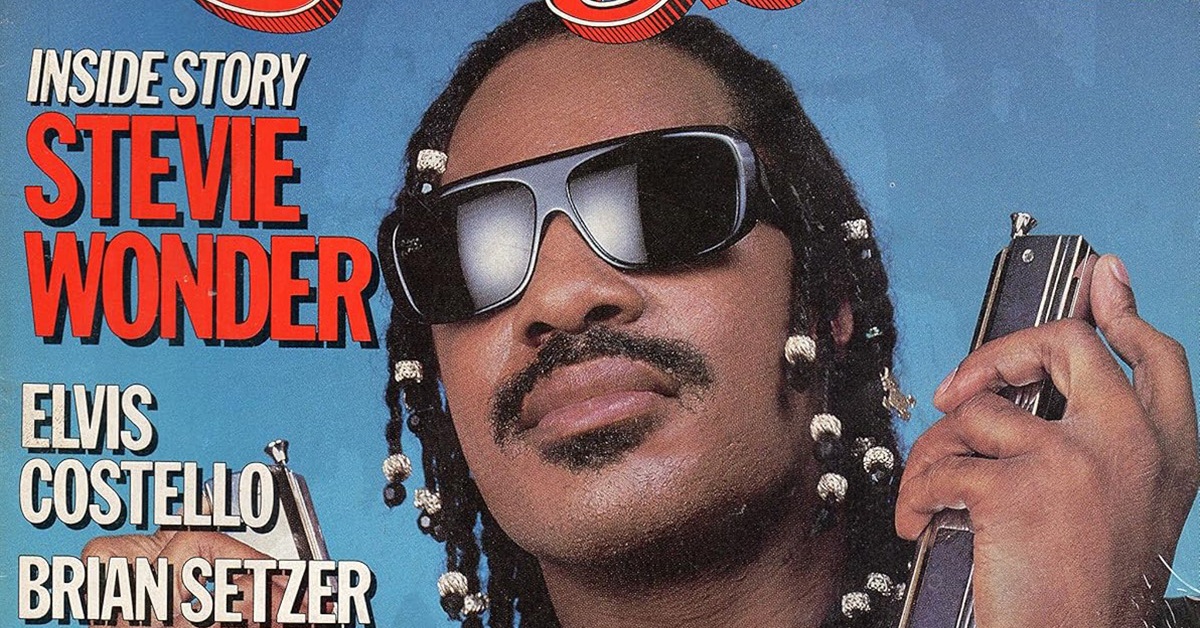
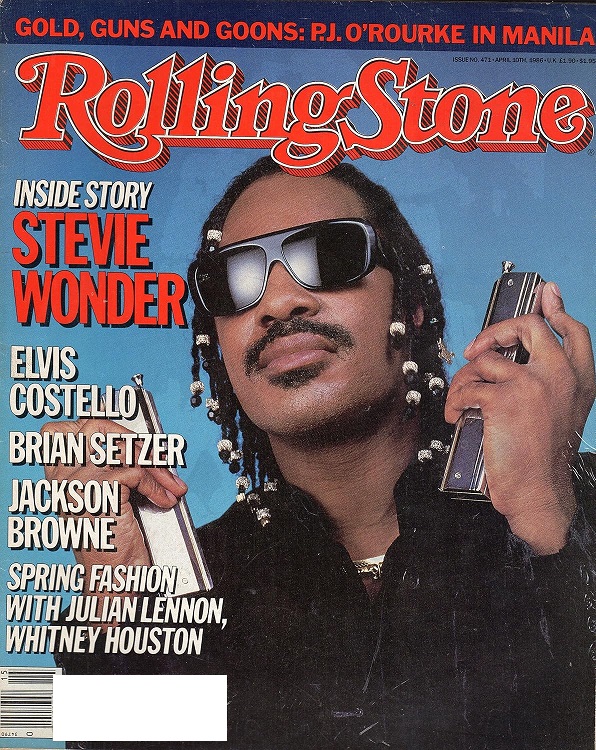
Stevie Wonder spent the better part of the 1960s through 1980s as a top selling singer, becoming one of the most successful musicians and songwriters of his generation. A dynamic creator, he was a driving force in the growth of R&B music and has been nominated for an astounding 74 Grammy Awards, winning 25 times. Wonder, who was born Stevland Hardaway Judkins on May 13, 1950, is celebrating his 75th birthday this week.
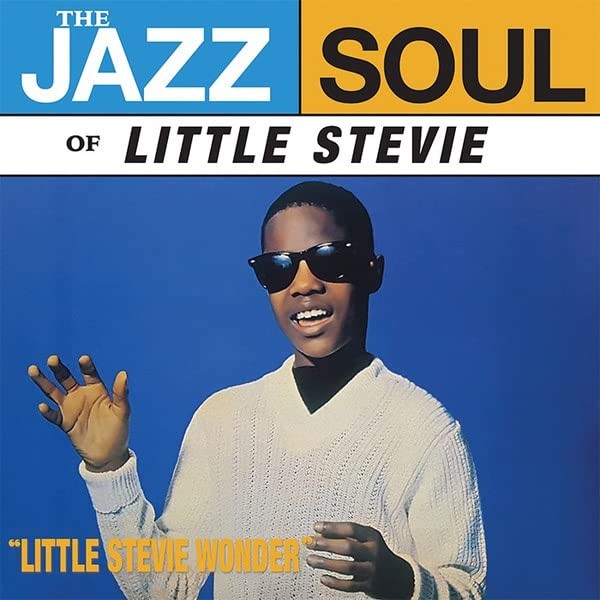
The Saginaw, Michigan native was born prematurely and was afflicted with retinopathy of prematurity which resulted in lifelong blindness. His musical talents emerged early while singing in the church choir, then he taught himself to play piano, drums, and harmonica before he was 10 years old. At the age of 11, he was signed to his first recording deal with Berry Gordy Jr.’s Motown. Performing as Little Stevie Wonder, he quickly released three albums and had his first No. 1 hit with “Fingertips, Pt. 2.”
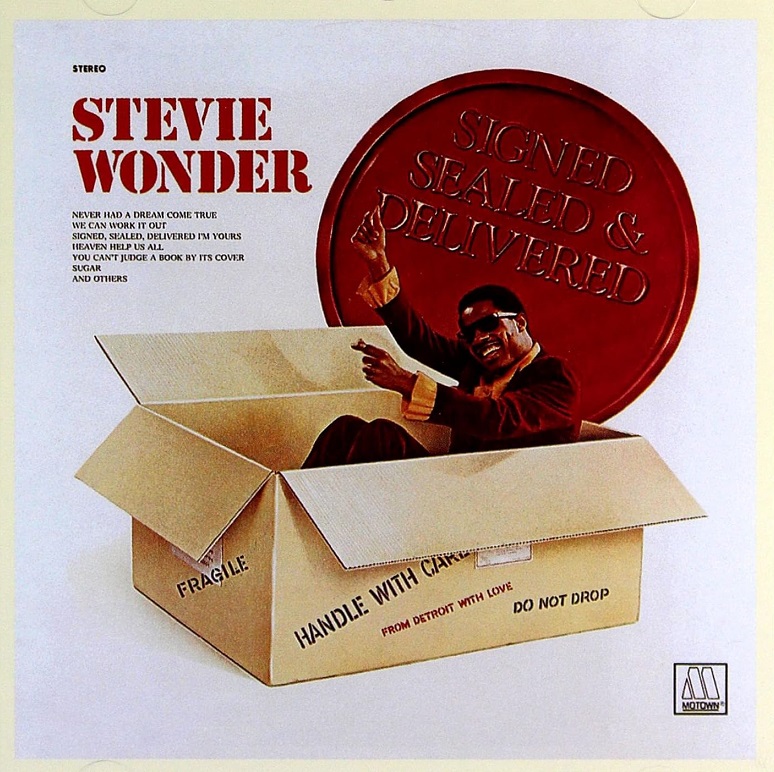
In the mid-1960s, after dropping “Little” from his name, Wonder released “Uptight (Everything’s Alright),” “Blowin’ in the Wind,” and “I Was Made to Love Her – all of which reached No. 1 on the R&B charts. He co-produced 1970’s Signed, Sealed, Delivered, featuring the No. 1 R&B chart title song and a cover of the Beatles’ “We Can Work It Out.” With the new decade and plenty of success behind him, Wonder renegotiated a new contract that gave him more control over his music and his royalties.
For his 1971 album Where I’m Coming From, Wonder wrote or co-wrote every song, including “If You Really Love Me.” A year later, Talking Book presented the funky hit “Superstition” and the sweet “You Are the Sunshine of My Life” – both going to No. 1. Innervisions was a concept album that contained socially conscious songs like “Higher Ground” and “Living for the City.”
In ’76, Wonder released Songs in the Key of Life, widely considered among his best, with songs like “Sir Duke” (a tribute to Duke Ellington), “Another Star,” and “Isn’t She Lovely.” Working with other artists, he wrote “Tell Me Something Good” for Chaka Khan and Rufus, and “Until You Come Back to Me (That’s What I’m Gonna Do)” for Aretha Franklin.
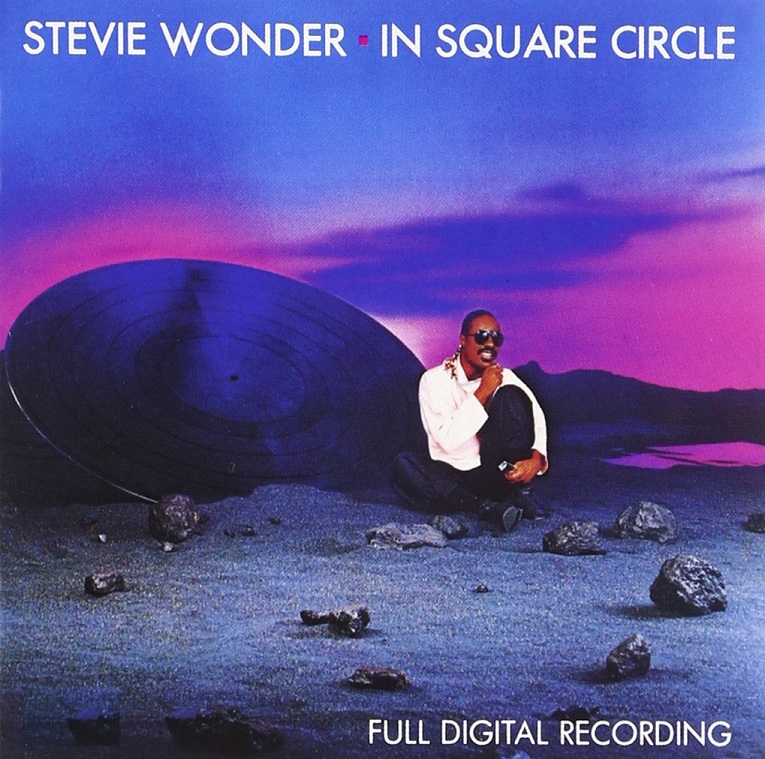
Wonder’s music in the ‘80s began with Hotter than July with the disco hit “All I Do” and a collaboration with Paul McCartney on the No. 1 song “Ebony and Ivory.” In ’84, “I Just Called to Say I Love You” was a huge success and No. 1 hit off The Woman in Red soundtrack, which also won him an Academy Award for Best Original Song. A year later, he released In Square Circle with the catchy “Part-Time Lover” that reached No. 1 on the pop, R&B, dance, and adult contemporary charts.
He only released a few albums after that point, and was inducted into the Rock and Roll Hall of Fame in ’89 and won a Grammy Lifetime Achievement Award in ’96. Outside of music, he did advocacy work, including leading the movement to establish a national holiday honoring Martin Luther King Jr. When he won his Oscar, Wonder dedicated it to Nelson Mandela, and he performed on several charity tracks like “We Are the World” and “That’s What Friends Are For.” For Wonder’s contributions to music and Civil Rights, he was awarded the Presidential Medal of Freedom and a Lifetime Achievement Award from the National Civil Rights Museum.

Popular Topics
Overstreet Access Quick Links
Signed, Sealed, Delivered – Stevie Wonder Turns 75
Stevie Wonder spent the better part of the 1960s through 1980s as a top selling singer, becoming one of the most successful musicians and songwriters of his generation. A dynamic creator, he was a driving force in the growth of R&B music and has been nominated for an astounding 74 Grammy Awards, winning 25 times. Wonder, who was born Stevland Hardaway Judkins on May 13, 1950, is celebrating his 75th birthday this week.
The Saginaw, Michigan native was born prematurely and was afflicted with retinopathy of prematurity which resulted in lifelong blindness. His musical talents emerged early while singing in the church choir, then he taught himself to play piano, drums, and harmonica before he was 10 years old. At the age of 11, he was signed to his first recording deal with Berry Gordy Jr.’s Motown. Performing as Little Stevie Wonder, he quickly released three albums and had his first No. 1 hit with “Fingertips, Pt. 2.”
In the mid-1960s, after dropping “Little” from his name, Wonder released “Uptight (Everything’s Alright),” “Blowin’ in the Wind,” and “I Was Made to Love Her – all of which reached No. 1 on the R&B charts. He co-produced 1970’s Signed, Sealed, Delivered, featuring the No. 1 R&B chart title song and a cover of the Beatles’ “We Can Work It Out.” With the new decade and plenty of success behind him, Wonder renegotiated a new contract that gave him more control over his music and his royalties.
For his 1971 album Where I’m Coming From, Wonder wrote or co-wrote every song, including “If You Really Love Me.” A year later, Talking Book presented the funky hit “Superstition” and the sweet “You Are the Sunshine of My Life” – both going to No. 1. Innervisions was a concept album that contained socially conscious songs like “Higher Ground” and “Living for the City.”
In ’76, Wonder released Songs in the Key of Life, widely considered among his best, with songs like “Sir Duke” (a tribute to Duke Ellington), “Another Star,” and “Isn’t She Lovely.” Working with other artists, he wrote “Tell Me Something Good” for Chaka Khan and Rufus, and “Until You Come Back to Me (That’s What I’m Gonna Do)” for Aretha Franklin.
Wonder’s music in the ‘80s began with Hotter than July with the disco hit “All I Do” and a collaboration with Paul McCartney on the No. 1 song “Ebony and Ivory.” In ’84, “I Just Called to Say I Love You” was a huge success and No. 1 hit off The Woman in Red soundtrack, which also won him an Academy Award for Best Original Song. A year later, he released In Square Circle with the catchy “Part-Time Lover” that reached No. 1 on the pop, R&B, dance, and adult contemporary charts.
He only released a few albums after that point, and was inducted into the Rock and Roll Hall of Fame in ’89 and won a Grammy Lifetime Achievement Award in ’96. Outside of music, he did advocacy work, including leading the movement to establish a national holiday honoring Martin Luther King Jr. When he won his Oscar, Wonder dedicated it to Nelson Mandela, and he performed on several charity tracks like “We Are the World” and “That’s What Friends Are For.” For Wonder’s contributions to music and Civil Rights, he was awarded the Presidential Medal of Freedom and a Lifetime Achievement Award from the National Civil Rights Museum.
Popular Topics
Overstreet Access Quick Links