



Review: Classic Monsters, Modern Art
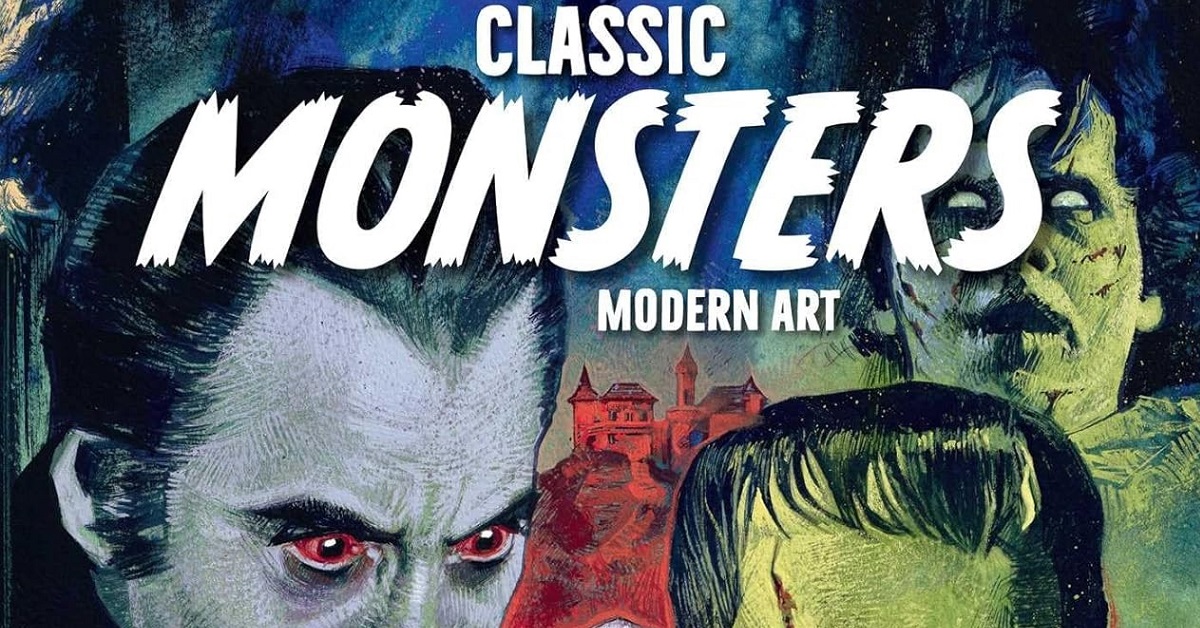
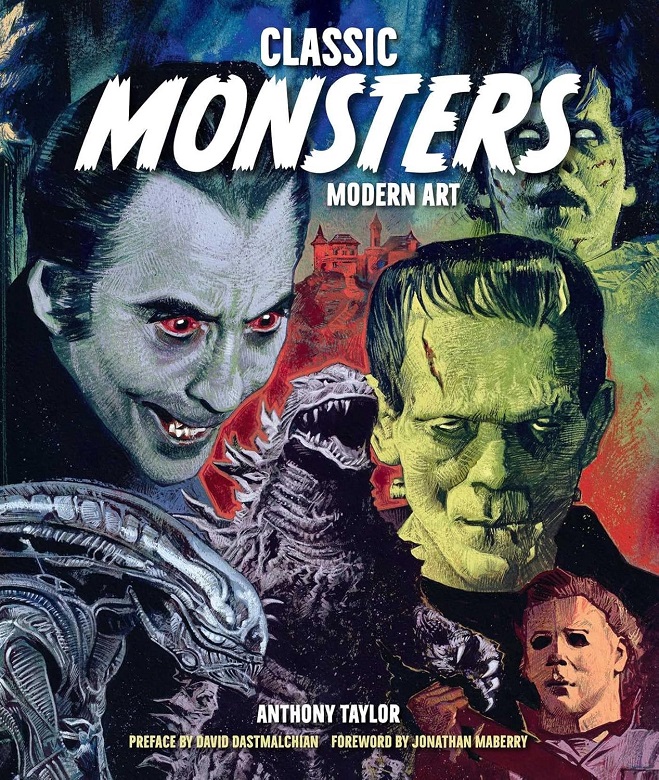
Classic Monsters, Modern Art by Anthony Taylor is exactly that: an exploration of the horror genre’s history with accompanying artwork created in the 21st century. The text examines films and characters created in the earliest days of film up to the end of 1999, while the art is strictly modern, only including pieces that were rendered at the start of 2000 and later.
A preface by actor David Dastmalchian (Late Night with the Devil) and foreword by Jonathan Maberry (five-time Bram Stoker Award winning author) introduces the subject at hand with both reverence and affection for the genre. Chapter 1 begins with pre-horror history about storytelling and dissemination of those stories, then moves into covering the earliest classics like Mary Shelley’s Frankenstein.
From there, each chapter covers a decade of horror films and related media. The chapters set the scene for what was happening in society during that time period and weaves that into descriptions of notable horror offerings and their impact on the genre and viewers. A few interludes between the chapters take a deeper dive into a particular title or person that had a significant impact on the genre.
The depth of research into the history of horror is impressive and thought provoking. Taylor analytically presents the history of horror by deconstructing the genre’s intrinsic value and the ways it appeals to fans. The book is a broad retrospective, highlighting the most significant horror titles with mentions of some lesser known, but still noteworthy projects. There were a few that didn’t receive the attention I would have liked to see (personal bias acknowledged), but overall, the book is a balanced, well-rounded history of horror.
On top of that retelling of horror’s high points, Taylor juxtaposes how elements of horror have changed and adapted to mirror events and attitudes in society at any given time. Horror is a genre that connects with the fears consumers experience that go beyond jump scares or being chased by the boogeyman. Taylor breaks down the psychological and sociological impact that influences horror storytelling and how the genre reflects that back to viewers. Adding more weight to the book, Taylor also incorporates previously published research with insightful quotations from fellow genre enthusiasts and scholars.
The text is joined by over 100 illustrations that cover everything from Washington Irving’s Headless Horseman to Samara from The Ring. Every artist in the book brings their A-game and Taylor clearly had fun choosing which illustrations to include. There are black and white pieces boasting finely drawn lines for a classic, gothic look that pays homage to vintage book illustrations. Others pack their work with lush, vibrant colors that harken back to when movie posters were true works of art.
Some pieces clearly capture the tone of the characters they are based on, whether that’s Universal’s monsters, alien creatures of the 1950s, or the homicidal slashers that were born in the ‘70s. Other illustrations take a different, cheeky approach by putting monsters on the beach or showing them posing in uncharacteristic ways. There are faithful recreations that show characters the way they looked on film and others that reimagine them, though still invoke their spirit.
The structure of pre-2000 movies and post-1999 art serves to celebrate the enduring power of horror, not just in its own evolution, but how older works still resonate with modern viewers. Every page, whether it’s filled with text or presents a full page illustration, emphasizes appreciation for horror.
–Amanda Sheriff

Popular Topics
Overstreet Access Quick Links
Review: Classic Monsters, Modern Art
Classic Monsters, Modern Art by Anthony Taylor is exactly that: an exploration of the horror genre’s history with accompanying artwork created in the 21st century. The text examines films and characters created in the earliest days of film up to the end of 1999, while the art is strictly modern, only including pieces that were rendered at the start of 2000 and later.
A preface by actor David Dastmalchian (Late Night with the Devil) and foreword by Jonathan Maberry (five-time Bram Stoker Award winning author) introduces the subject at hand with both reverence and affection for the genre. Chapter 1 begins with pre-horror history about storytelling and dissemination of those stories, then moves into covering the earliest classics like Mary Shelley’s Frankenstein.
From there, each chapter covers a decade of horror films and related media. The chapters set the scene for what was happening in society during that time period and weaves that into descriptions of notable horror offerings and their impact on the genre and viewers. A few interludes between the chapters take a deeper dive into a particular title or person that had a significant impact on the genre.
The depth of research into the history of horror is impressive and thought provoking. Taylor analytically presents the history of horror by deconstructing the genre’s intrinsic value and the ways it appeals to fans. The book is a broad retrospective, highlighting the most significant horror titles with mentions of some lesser known, but still noteworthy projects. There were a few that didn’t receive the attention I would have liked to see (personal bias acknowledged), but overall, the book is a balanced, well-rounded history of horror.
On top of that retelling of horror’s high points, Taylor juxtaposes how elements of horror have changed and adapted to mirror events and attitudes in society at any given time. Horror is a genre that connects with the fears consumers experience that go beyond jump scares or being chased by the boogeyman. Taylor breaks down the psychological and sociological impact that influences horror storytelling and how the genre reflects that back to viewers. Adding more weight to the book, Taylor also incorporates previously published research with insightful quotations from fellow genre enthusiasts and scholars.
The text is joined by over 100 illustrations that cover everything from Washington Irving’s Headless Horseman to Samara from The Ring. Every artist in the book brings their A-game and Taylor clearly had fun choosing which illustrations to include. There are black and white pieces boasting finely drawn lines for a classic, gothic look that pays homage to vintage book illustrations. Others pack their work with lush, vibrant colors that harken back to when movie posters were true works of art.
Some pieces clearly capture the tone of the characters they are based on, whether that’s Universal’s monsters, alien creatures of the 1950s, or the homicidal slashers that were born in the ‘70s. Other illustrations take a different, cheeky approach by putting monsters on the beach or showing them posing in uncharacteristic ways. There are faithful recreations that show characters the way they looked on film and others that reimagine them, though still invoke their spirit.
The structure of pre-2000 movies and post-1999 art serves to celebrate the enduring power of horror, not just in its own evolution, but how older works still resonate with modern viewers. Every page, whether it’s filled with text or presents a full page illustration, emphasizes appreciation for horror.
–Amanda Sheriff
Popular Topics
Overstreet Access Quick Links