

Inside the Guide: Horror Soundtracks – Fright Fandom on Record
One of the things many horror fans enjoy in fright flicks is the spooky atmosphere bolstered by the uncanny, often jarring music composed for the films. Chilling writing, expert direction, and gruesome special effects are all incredibly important pieces to the puzzle of creating an effective horror film, but without the right score, an otherwise great movie can fall flat.
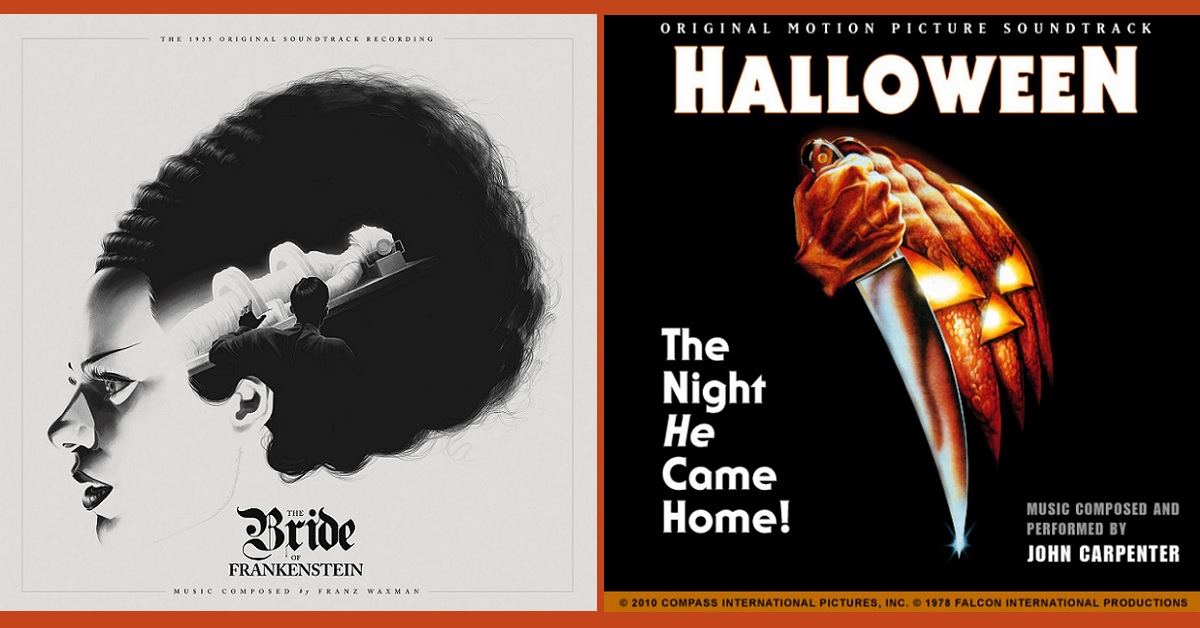
How many of us get chills when we hear John Carpenter’s iconic theme from Halloween, imagining the black, lifeless eyes of a maniac fixed on us from across the street? How about John Williams’ simple yet effective work in Jaws? Does it conjure mental images of a toothy leviathan lurking in the deep, scary enough to have us exercise caution even in swimming pools, when our rational brain obviously knows better? Whether it’s an attempt to recreate the atmosphere of a film, enhance the experience of a house we’re haunting around Halloween, or just to enjoy the creepy cover art, we have been voraciously collecting those beloved soundtracks for decades.
Beginning with Franz Waxman’s score for 1935’s The Bride of Frankenstein, film scores became much more prominent. Often, Universal scores were a mixture of dark romanticism and then-cutting-edge concepts like atonality. Hammer’s gothic horror scores were largely influenced by earlier Universal music, though they had a distinct feel due to the talents of composers James Bernard, Benjamin Frankel, and Malcolm Williamson.
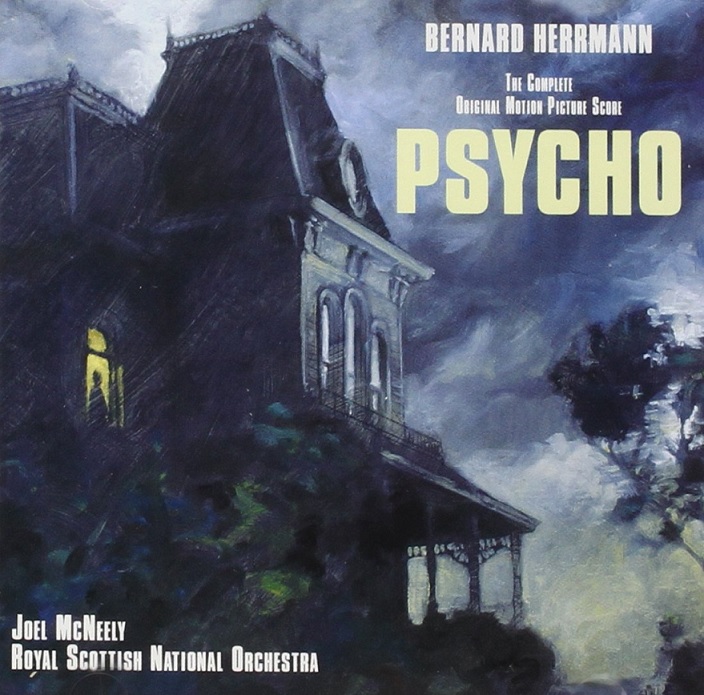
In 1960, Bernard Hermann’s screeching Psycho theme changed the game of horror film music, virtually birthing the iconic horror score as we know it. Horror soundtrack albums began to take off in the 1970s, with scores from The Exorcist, Phantasm, Jaws, The Omen, and Halloween becoming permanently ingrained in the fabric of pop culture. By the mid-1980s, the eerie themes from Friday the 13th and A Nightmare on Elm Street had joined those from the aforementioned films atop of the heap of contemporary horror music.
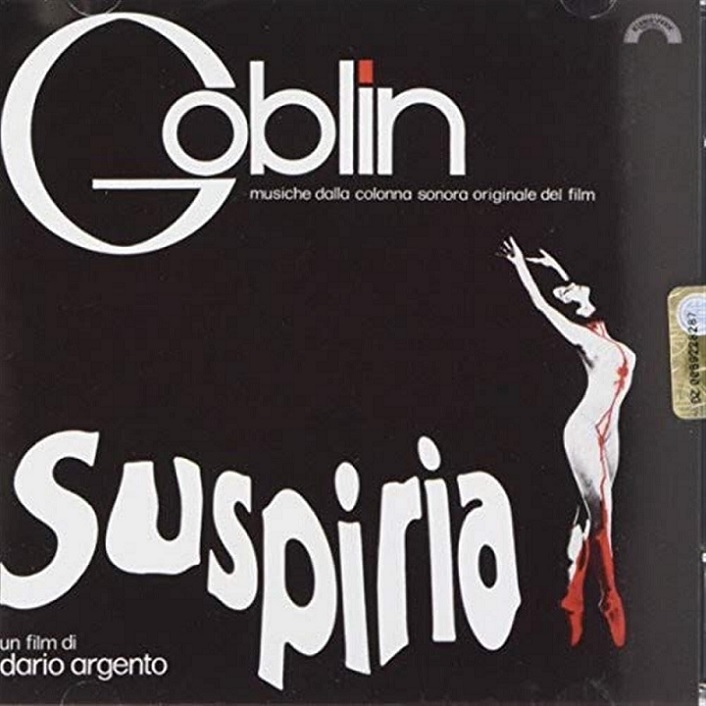
No history of horror film music is complete without the mention of two trailblazing artists: John Carpenter and Goblin. Carpenter, known equally for his unsettling synthesizer scores as he is for his directing prowess, crafted chilling music for most of his feature films, including the previously mentioned Halloween, The Fog, Christine, Escape from New York, They Live, and In the Mouth of Madness. Goblin, an Italian progressive rock act, is known to horror fans for providing the music for a multitude of classic giallo and horror films, including Deep Red, Suspiria, Dawn of the Dead, and Beyond the Darkness.

Popular Topics
Overstreet Access Quick Links
Inside the Guide: Horror Soundtracks – Fright Fandom on Record
One of the things many horror fans enjoy in fright flicks is the spooky atmosphere bolstered by the uncanny, often jarring music composed for the films. Chilling writing, expert direction, and gruesome special effects are all incredibly important pieces to the puzzle of creating an effective horror film, but without the right score, an otherwise great movie can fall flat.
How many of us get chills when we hear John Carpenter’s iconic theme from Halloween, imagining the black, lifeless eyes of a maniac fixed on us from across the street? How about John Williams’ simple yet effective work in Jaws? Does it conjure mental images of a toothy leviathan lurking in the deep, scary enough to have us exercise caution even in swimming pools, when our rational brain obviously knows better? Whether it’s an attempt to recreate the atmosphere of a film, enhance the experience of a house we’re haunting around Halloween, or just to enjoy the creepy cover art, we have been voraciously collecting those beloved soundtracks for decades.
Beginning with Franz Waxman’s score for 1935’s The Bride of Frankenstein, film scores became much more prominent. Often, Universal scores were a mixture of dark romanticism and then-cutting-edge concepts like atonality. Hammer’s gothic horror scores were largely influenced by earlier Universal music, though they had a distinct feel due to the talents of composers James Bernard, Benjamin Frankel, and Malcolm Williamson.
In 1960, Bernard Hermann’s screeching Psycho theme changed the game of horror film music, virtually birthing the iconic horror score as we know it. Horror soundtrack albums began to take off in the 1970s, with scores from The Exorcist, Phantasm, Jaws, The Omen, and Halloween becoming permanently ingrained in the fabric of pop culture. By the mid-1980s, the eerie themes from Friday the 13th and A Nightmare on Elm Street had joined those from the aforementioned films atop of the heap of contemporary horror music.
No history of horror film music is complete without the mention of two trailblazing artists: John Carpenter and Goblin. Carpenter, known equally for his unsettling synthesizer scores as he is for his directing prowess, crafted chilling music for most of his feature films, including the previously mentioned Halloween, The Fog, Christine, Escape from New York, They Live, and In the Mouth of Madness. Goblin, an Italian progressive rock act, is known to horror fans for providing the music for a multitude of classic giallo and horror films, including Deep Red, Suspiria, Dawn of the Dead, and Beyond the Darkness.
Popular Topics
Overstreet Access Quick Links