



Inside the Guide: Film Noir – More Complex than Black and White
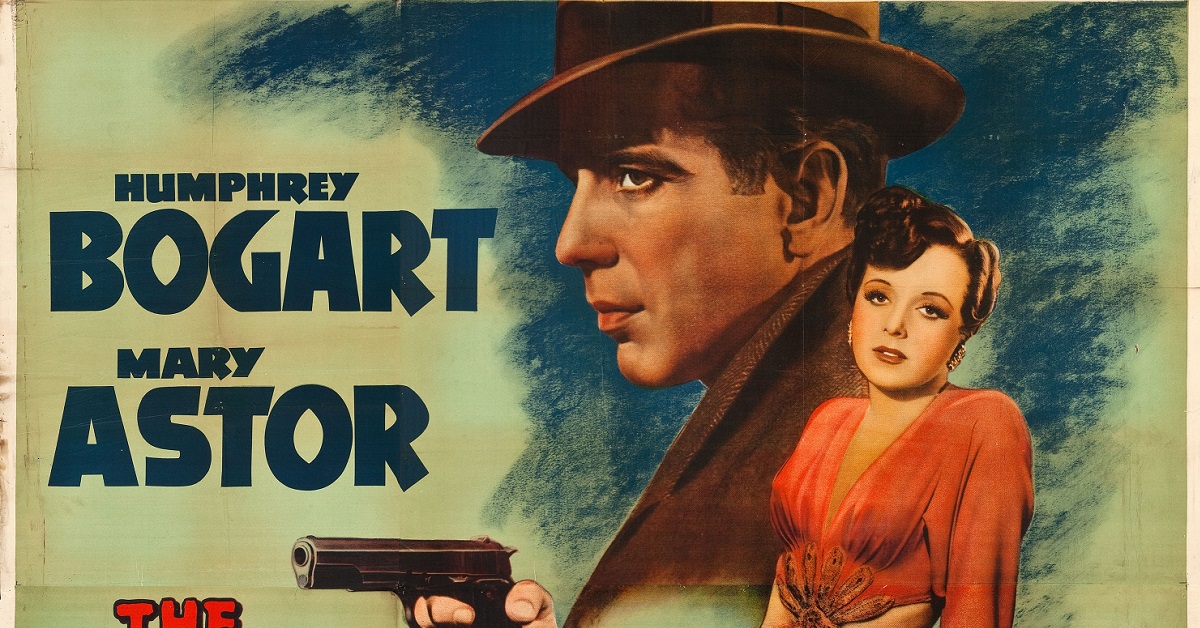
Film noir immediately conjures the vision of a man in trench coat and fedora, smoking cigarettes and drinking whiskey, when a mysterious, beautiful woman enters his office. His inner monologue tells him that this dame is dangerous, but she needs assistance because she’s embroiled in a scheme that’s spun out of control, or needs help leaving a no-good rabble rouser.
While this may be a common image, these movies are much more complicated than that. Noir is the subgenre of stylish Hollywood crime dramas of the ’40s and ’50s. The term was coined by French film critic Nino Frank, in 1946, when he recognized how many new movies had a darker look, in both style and content.
Many noir movies mirrored the tensions of the time period around World War II. Themes often relied heavily on paranoia, mistrust, loss, and fear, which could be felt throughout the battle weary country.
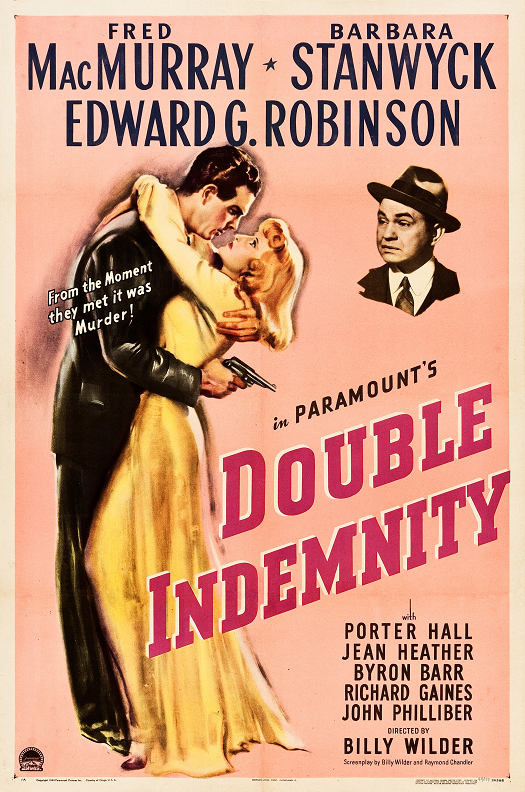
Since the US was still reflecting on the terrible realities of the war, noir movies offered an outlet with hardened protagonists who were primarily antiheroes. They were cynical men, disillusioned by society, and woman that exuded sexuality, often to the detriment of male counterparts. Antiheroes were portrayed as hardboiled detectives, private investigators, war veterans, sometimes even gangsters, criminals, or lone wolf types. Most were driven by their pasts and their habit of repeating the same mistakes.
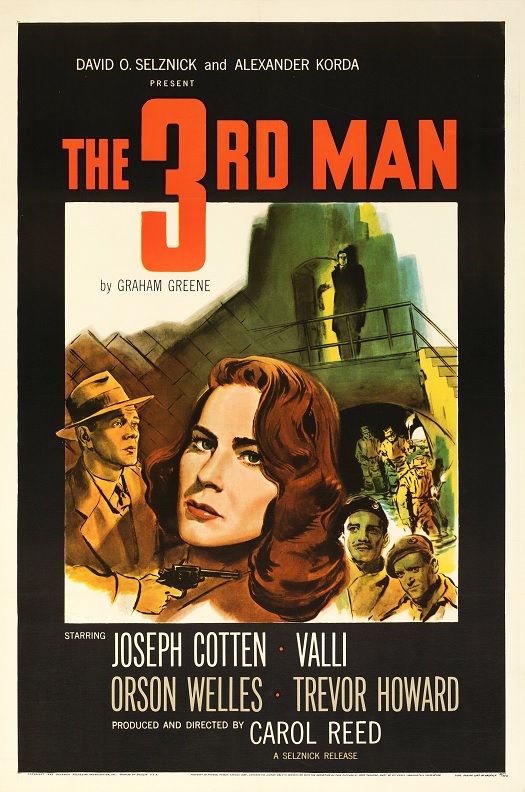
The movies had complex plotlines, filled with twists, turns, and shocking discoveries. Told in non-linear formats, noir movies utilized flashbacks to reveal crucial pieces to the mysterious puzzles. Foreboding music played in the background, witty dialogue was exchanged, and the main character often told the story in first person voiceover narration. The hardness of gangster movies, methodology of police procedurals, and haunting elements of gothic romances could be found in many noir movies.

Popular Topics
Overstreet Access Quick Links
Inside the Guide: Film Noir – More Complex than Black and White
Film noir immediately conjures the vision of a man in trench coat and fedora, smoking cigarettes and drinking whiskey, when a mysterious, beautiful woman enters his office. His inner monologue tells him that this dame is dangerous, but she needs assistance because she’s embroiled in a scheme that’s spun out of control, or needs help leaving a no-good rabble rouser.
While this may be a common image, these movies are much more complicated than that. Noir is the subgenre of stylish Hollywood crime dramas of the ’40s and ’50s. The term was coined by French film critic Nino Frank, in 1946, when he recognized how many new movies had a darker look, in both style and content.
Many noir movies mirrored the tensions of the time period around World War II. Themes often relied heavily on paranoia, mistrust, loss, and fear, which could be felt throughout the battle weary country.
Since the US was still reflecting on the terrible realities of the war, noir movies offered an outlet with hardened protagonists who were primarily antiheroes. They were cynical men, disillusioned by society, and woman that exuded sexuality, often to the detriment of male counterparts. Antiheroes were portrayed as hardboiled detectives, private investigators, war veterans, sometimes even gangsters, criminals, or lone wolf types. Most were driven by their pasts and their habit of repeating the same mistakes.
The movies had complex plotlines, filled with twists, turns, and shocking discoveries. Told in non-linear formats, noir movies utilized flashbacks to reveal crucial pieces to the mysterious puzzles. Foreboding music played in the background, witty dialogue was exchanged, and the main character often told the story in first person voiceover narration. The hardness of gangster movies, methodology of police procedurals, and haunting elements of gothic romances could be found in many noir movies.
Popular Topics
Overstreet Access Quick Links