


Giving Life to the Grateful Dead; Skeleton & Roses Concert Poster at Hake’s
The Grateful Dead’s story began in the early 1960s in Palo Alto, California, where a community of literature and music focused artists resided. In 1962, Jerry Garcia was playing the banjo in folk and bluegrass bands when he met the Dead’s lyricist Robert Hunter. The two would be songwriting partners throughout the rest of their lives. Next, Garcia met young guitarist, Bob Weir, and Ron “Pigpen” McKernan, a blues and soul man who played keyboards and harmonica.
In ’64, Garcia, Weir, McKernan, Bob Matthews (who engineered Dead albums), and John Dawson played as Mother McCree’s Uptown Jug Champions. Originally a string band that played blues and folk, McKernan suggested that they plug in to sound systems to amplify their music.
A year later Garcia, Weir, McKernan, drummer Bill Kreutzmann, and bassist Phil Lesh became the Warlocks. When they learned that another band had taken the name, the Garcia dubbed them The Grateful Dead based on a phrase in an Egyptian prayer.
Using electric instruments, they soon became the house band at Ken Kesey’s Acid Tests, which were public LSD parties with multimedia angles. They also experimented with the 8-track recording concept that would become a studio standard. Owsley Stanley, an LSD chemist, became a financial backer for the Grateful Dead and supervised the band’s state of the art, massive sound system.
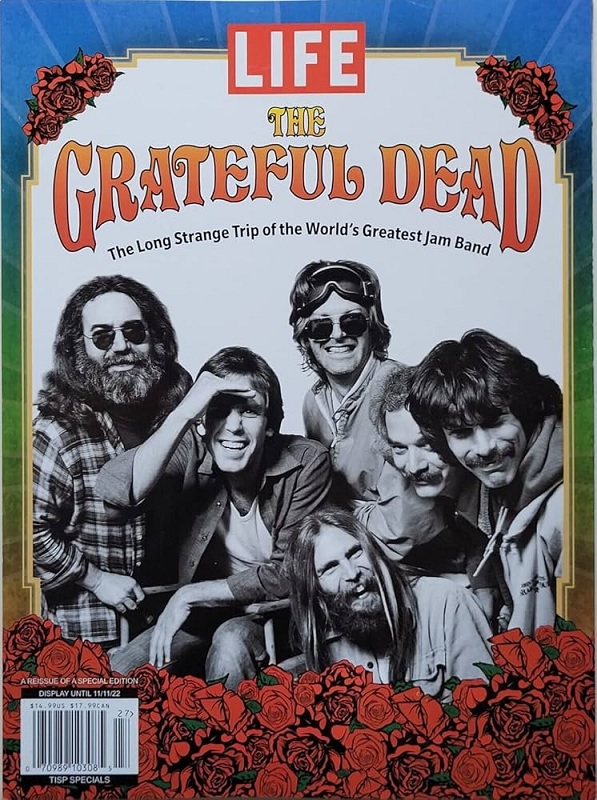
In ’66 The Beatles inspired a change in the Dead’s musical direction after Lesh brought the Fab Four’s album, Revolver, to Garcia. They were enamored by the song “Tomorrow Never Knows,” a psychedelic track that was a catalyst for their migration away from blues and into psychedelic rock.
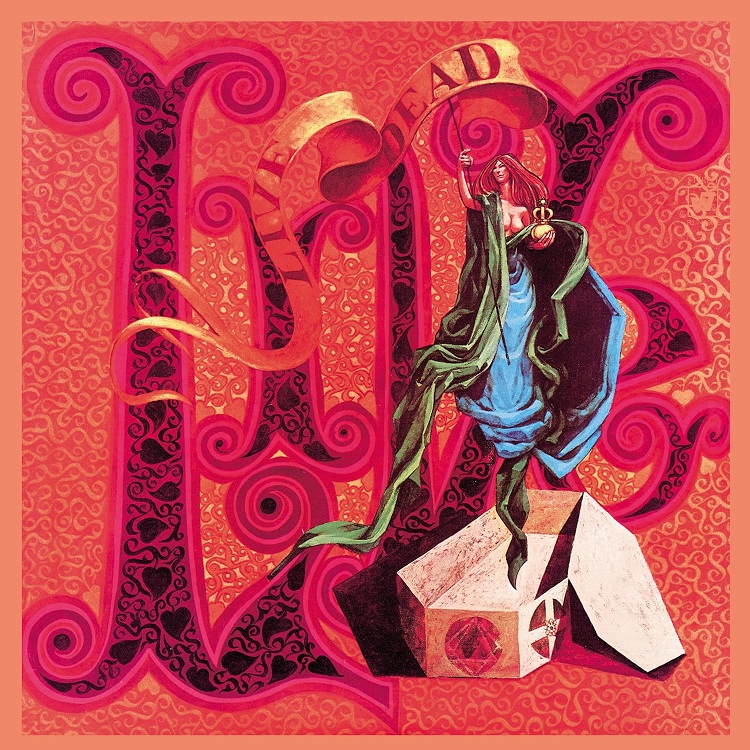
The Grateful Dead’s following grew, leading to appearances at the Monterey Pop Festival in ’67 and Woodstock in ’69. They released the albums: Live/Dead recorded in 1969 at the Fillmore West, then Workingman’s Dead and American Beauty in 1970. Live/Dead featured psychedelic songs while the other two had a more country style with succinct writing on well laid out tracks. The album, like their concerts, mirrored the effects of an acid trip following the ascension, the peak, and the return to normalcy.
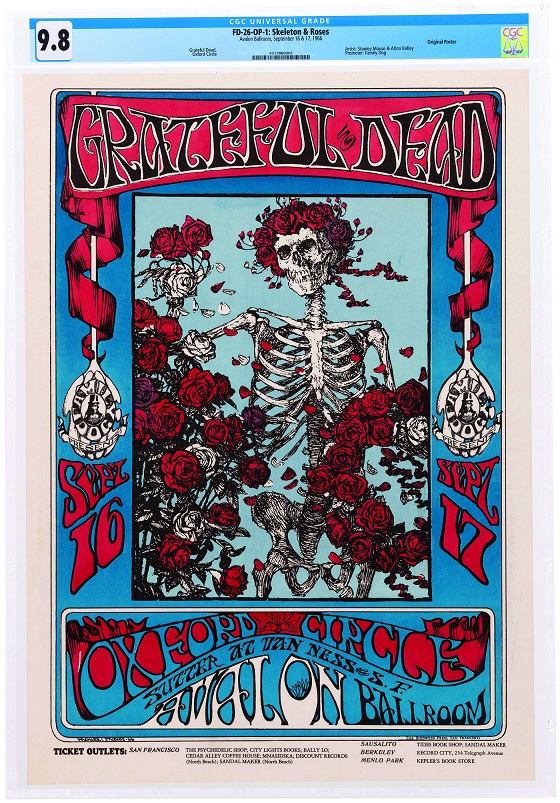
The Grateful Dead was one of the most beloved bands of the psychedelic era, and their concerts were musical marathons that captivated their fans. A piece of their concert history is now being offered through Hake’s Auctions. They are selling a first printing of the iconic “Skeleton & Roses” concert poster CGC 9.8.
The poster from the Family Dog series promotes concerts at the Avalon Ballroom in San Francisco. Designers Stanley Mouse and Alton Kelley utilized a 19th century illustration by Edward Joseph Sullivan from the Arabian poetry publication, The Rubaiyat of Omar Khayyam. The image is the most recognizable from the Family Dog posters and is considered a defining image that represents the San Francisco psychedelic music scene of the 1960s.
The poster is open for bidding in Hake’s Auction #245; it closes on Tuesday and Wednesday, November 18-19, 2025.

Popular Topics
Overstreet Access Quick Links
Giving Life to the Grateful Dead; Skeleton & Roses Concert Poster at Hake’s
The Grateful Dead’s story began in the early 1960s in Palo Alto, California, where a community of literature and music focused artists resided. In 1962, Jerry Garcia was playing the banjo in folk and bluegrass bands when he met the Dead’s lyricist Robert Hunter. The two would be songwriting partners throughout the rest of their lives. Next, Garcia met young guitarist, Bob Weir, and Ron “Pigpen” McKernan, a blues and soul man who played keyboards and harmonica.
In ’64, Garcia, Weir, McKernan, Bob Matthews (who engineered Dead albums), and John Dawson played as Mother McCree’s Uptown Jug Champions. Originally a string band that played blues and folk, McKernan suggested that they plug in to sound systems to amplify their music.
A year later Garcia, Weir, McKernan, drummer Bill Kreutzmann, and bassist Phil Lesh became the Warlocks. When they learned that another band had taken the name, the Garcia dubbed them The Grateful Dead based on a phrase in an Egyptian prayer.
Using electric instruments, they soon became the house band at Ken Kesey’s Acid Tests, which were public LSD parties with multimedia angles. They also experimented with the 8-track recording concept that would become a studio standard. Owsley Stanley, an LSD chemist, became a financial backer for the Grateful Dead and supervised the band’s state of the art, massive sound system.
In ’66 The Beatles inspired a change in the Dead’s musical direction after Lesh brought the Fab Four’s album, Revolver, to Garcia. They were enamored by the song “Tomorrow Never Knows,” a psychedelic track that was a catalyst for their migration away from blues and into psychedelic rock.
The Grateful Dead’s following grew, leading to appearances at the Monterey Pop Festival in ’67 and Woodstock in ’69. They released the albums: Live/Dead recorded in 1969 at the Fillmore West, then Workingman’s Dead and American Beauty in 1970. Live/Dead featured psychedelic songs while the other two had a more country style with succinct writing on well laid out tracks. The album, like their concerts, mirrored the effects of an acid trip following the ascension, the peak, and the return to normalcy.
The Grateful Dead was one of the most beloved bands of the psychedelic era, and their concerts were musical marathons that captivated their fans. A piece of their concert history is now being offered through Hake’s Auctions. They are selling a first printing of the iconic “Skeleton & Roses” concert poster CGC 9.8.
The poster from the Family Dog series promotes concerts at the Avalon Ballroom in San Francisco. Designers Stanley Mouse and Alton Kelley utilized a 19th century illustration by Edward Joseph Sullivan from the Arabian poetry publication, The Rubaiyat of Omar Khayyam. The image is the most recognizable from the Family Dog posters and is considered a defining image that represents the San Francisco psychedelic music scene of the 1960s.
The poster is open for bidding in Hake’s Auction #245; it closes on Tuesday and Wednesday, November 18-19, 2025.
Popular Topics
Overstreet Access Quick Links