



Disney Cartoons Love Good Housekeeping
Founded by Clark W. Bryan, Good Housekeeping hit newsstands on May 2, 1885, and by 1911 it had already achieved a circulation of 300,000. During the mid-1920s, after being purchased by the Hearst Corporation, Good Housekeeping topped one million and continued to rise. In the debut issue, Bryan wrote that the brand’s mission would be “about equal proportions of public duty and private interest.”
Good Housekeeping is still in circulation today having produced thousands of articles about women’s interests, product testing, recipes, diet, and health, as well as literary articles. Throughout the magazine’s history, many famous writers have contributed articles, including Somerset Maugham, Edwin Markham, Edna St. Vincent Millay, Frances Parkinson Keyes, A.J. Cronin, Virginia Woolf, and Evelyn Waugh.
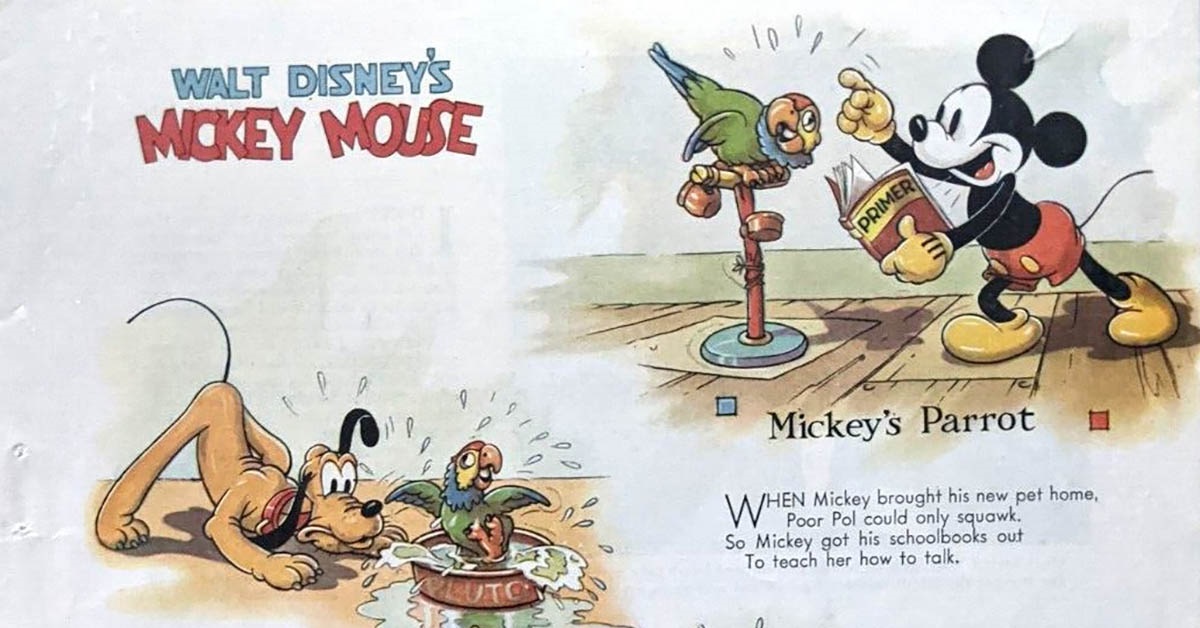
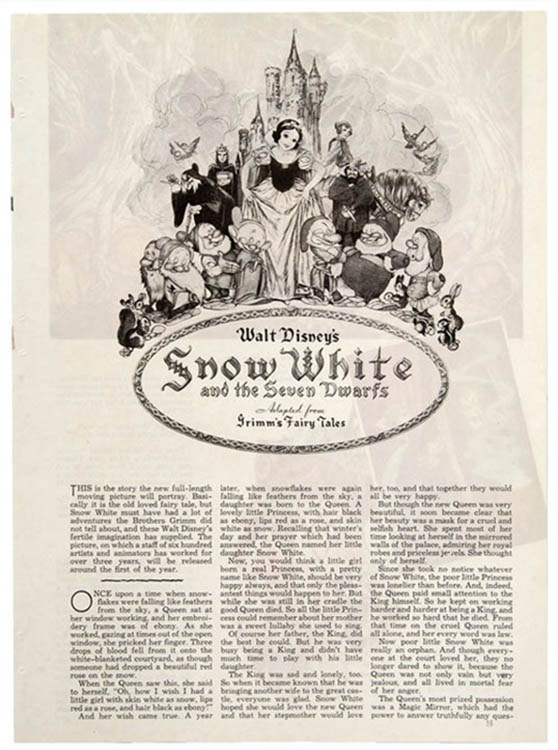
Beginning in 1934 and running through 1944, Good Housekeeping adapted many works by Disney into poems and prose. This included such cartoons as Mickey Mouse, Silly Symphonies, and Donald Duck as well as feature films like Snow White and the Seven Dwarfs, Pinocchio, Bambi and Saludos Amigos. Many of Disney’s pieces for Good Housekeeping were one-or two-page versions of these animated shorts and films.
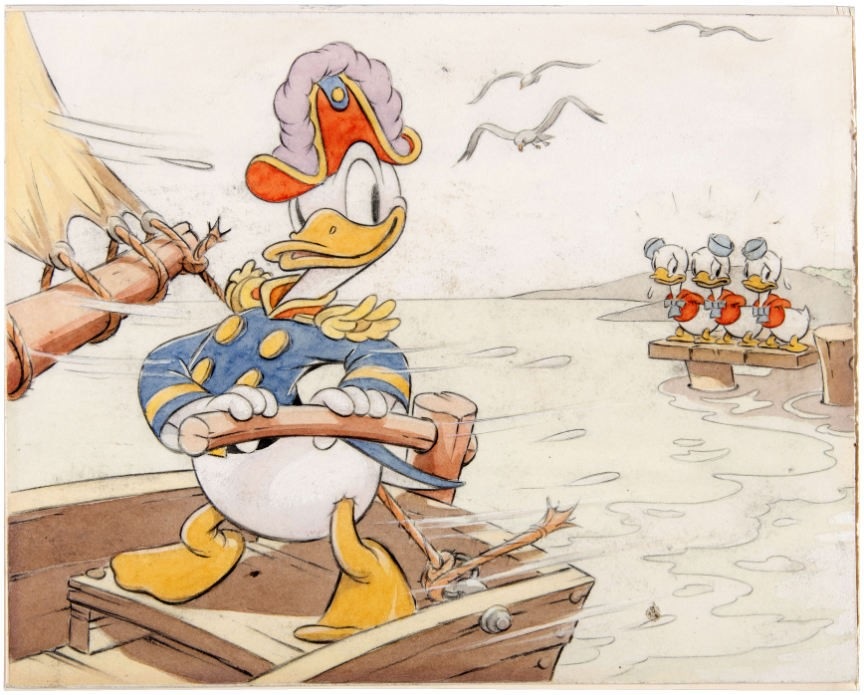
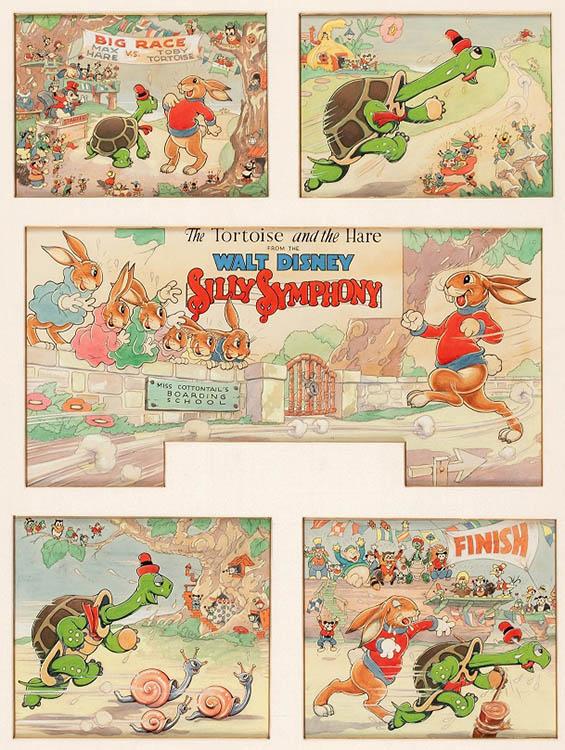
Between 1934 and 1941, artist Tom Wood created several text comic adaptations of Mickey Mouse, Donald Duck and Silly Symphonies cartoons for Good Housekeeping. This included The Grasshopper and the Ants, The Wise Little Hen, The Band Concert, Mickey’s Fire Brigade, Mickey’s Rival, Mickey’s Elephant, Donald’s Ostrich, Clock Cleaners, Donald’s Golf Game, Donald’s Cousin Gus, Donald’s Lucky Day and The Tortoise and the Hare. Although Wood passed away in 1940, his beautifully illustrated work remains highly coveted among Disney collectors to this day.

Popular Topics
Overstreet Access Quick Links
Disney Cartoons Love Good Housekeeping
Founded by Clark W. Bryan, Good Housekeeping hit newsstands on May 2, 1885, and by 1911 it had already achieved a circulation of 300,000. During the mid-1920s, after being purchased by the Hearst Corporation, Good Housekeeping topped one million and continued to rise. In the debut issue, Bryan wrote that the brand’s mission would be “about equal proportions of public duty and private interest.”
Good Housekeeping is still in circulation today having produced thousands of articles about women’s interests, product testing, recipes, diet, and health, as well as literary articles. Throughout the magazine’s history, many famous writers have contributed articles, including Somerset Maugham, Edwin Markham, Edna St. Vincent Millay, Frances Parkinson Keyes, A.J. Cronin, Virginia Woolf, and Evelyn Waugh.
Beginning in 1934 and running through 1944, Good Housekeeping adapted many works by Disney into poems and prose. This included such cartoons as Mickey Mouse, Silly Symphonies, and Donald Duck as well as feature films like Snow White and the Seven Dwarfs, Pinocchio, Bambi and Saludos Amigos. Many of Disney’s pieces for Good Housekeeping were one-or two-page versions of these animated shorts and films.
Between 1934 and 1941, artist Tom Wood created several text comic adaptations of Mickey Mouse, Donald Duck and Silly Symphonies cartoons for Good Housekeeping. This included The Grasshopper and the Ants, The Wise Little Hen, The Band Concert, Mickey’s Fire Brigade, Mickey’s Rival, Mickey’s Elephant, Donald’s Ostrich, Clock Cleaners, Donald’s Golf Game, Donald’s Cousin Gus, Donald’s Lucky Day and The Tortoise and the Hare. Although Wood passed away in 1940, his beautifully illustrated work remains highly coveted among Disney collectors to this day.
Popular Topics
Overstreet Access Quick Links