



Creator Profile: Burne Hogarth
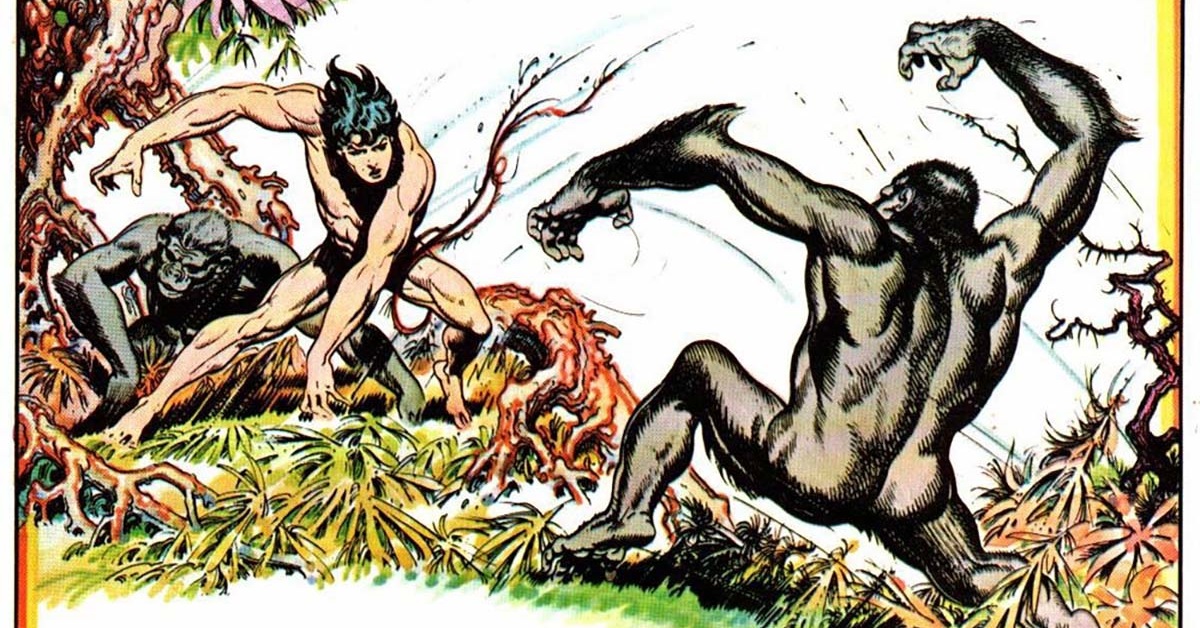
Through his illustrated novels and comic strips, Burne Hogarth brought the swinging muscular hero Tarzan to new heights. His depiction of the Man of the Apes, particularly the way his body moved through the trees, led to his work being considered the “Bible of how to draw the human figure in action.”
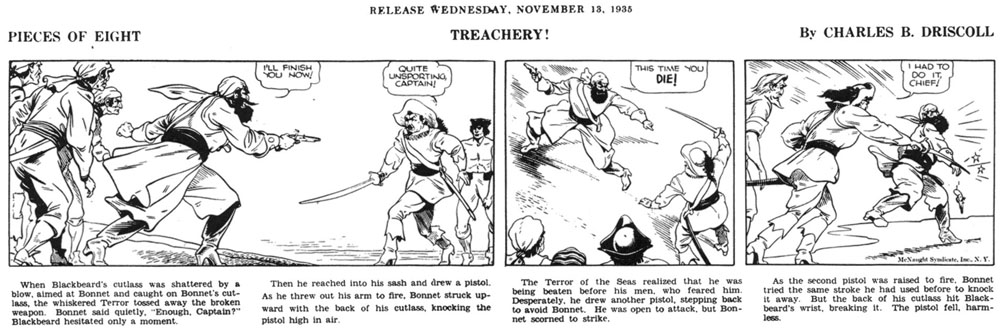
Born on December 25, 1911, Hogarth displayed a talent for drawing at an early age. At 12, Hogarth was admitted to the Art Institute of Chicago embarking on an education that took him to Crane College, Northwestern University, and Columbia University. A few short years later, he became the assistant at the Associated Editors Syndicate, illustrating a series called Famous Churches of the World. In 1929 he drew his first comic strip, Ivy Hemmanhaw, followed shortly by Odd Occupations and Strange Accidents. After relocating to New York, Hogarth started working at King Features Syndicate drawing Charles Driscoll’s pirate adventure Pieces of Eight.
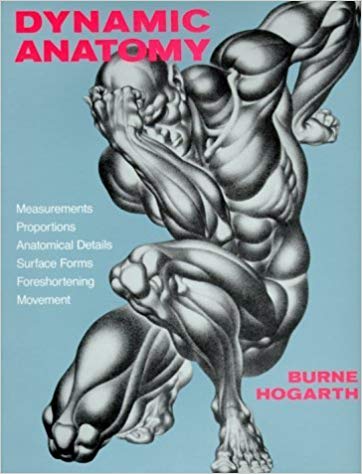
The assignment that would catapult his illustration career came in 1936 with Tarzan. Hogarth drew the Tarzan Sunday strip for 12 years, bringing classicism, expressionism, and narrative into a new form with the newspaper strip. Hogarth’s understanding of action and tension, as well as his portrayal of muscles and tendons left behind a template that has defined the comic hero for countless decades. He left Tarzan in 1950 to devote his time to the school he co-founded, the New York School of Visual Arts. While he was teaching, Hogarth also authored a number of anatomy and drawing books, including Dynamic Anatomy, Drawing the Human Head and Drawing Dynamic Hands.
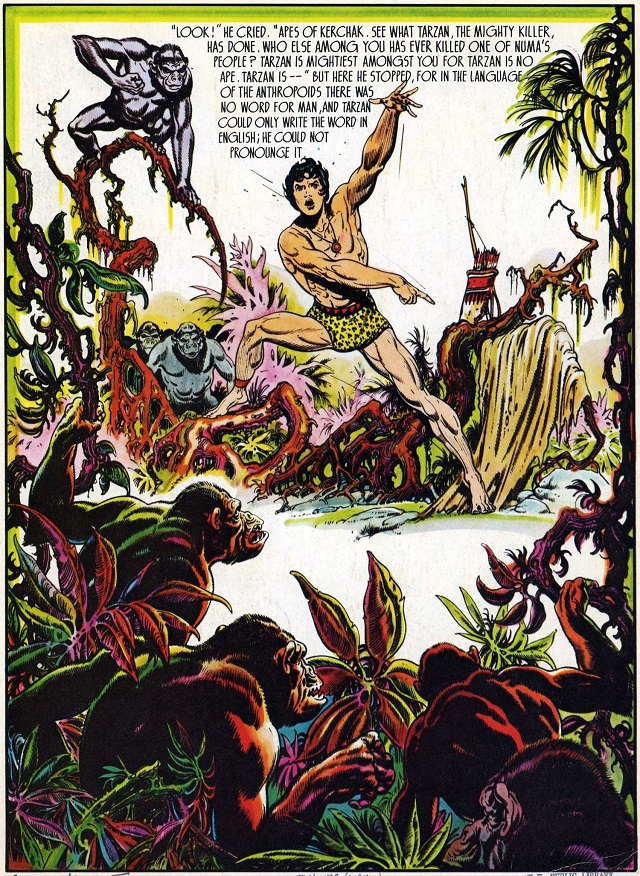
Hogarth returned to Tarzan after more than two decades with the large-format graphic novel, Tarzan of the Apes. He followed this with Jungle Tales of Tarzan, a black and white edition that is lauded as Hogarth’s most impressive version of the jungle man. Throughout his career, Hogarth’s cartoons, drawings, prints, and paintings have been exhibited at the Musee des Arts Decoratifs of the Louvre. His work brought high recognition, including the National Cartoonist Society Advertising and Illustration Award, Magazine and Book Illustration Award, Special Features Award, and dozens of awards internationally.
To this day, even after numerous decades, Hogarth is considered by many to be one of the foremost artists in capturing the human form.

Popular Topics
Overstreet Access Quick Links
Creator Profile: Burne Hogarth
Through his illustrated novels and comic strips, Burne Hogarth brought the swinging muscular hero Tarzan to new heights. His depiction of the Man of the Apes, particularly the way his body moved through the trees, led to his work being considered the “Bible of how to draw the human figure in action.”
Born on December 25, 1911, Hogarth displayed a talent for drawing at an early age. At 12, Hogarth was admitted to the Art Institute of Chicago embarking on an education that took him to Crane College, Northwestern University, and Columbia University. A few short years later, he became the assistant at the Associated Editors Syndicate, illustrating a series called Famous Churches of the World. In 1929 he drew his first comic strip, Ivy Hemmanhaw, followed shortly by Odd Occupations and Strange Accidents. After relocating to New York, Hogarth started working at King Features Syndicate drawing Charles Driscoll’s pirate adventure Pieces of Eight.
The assignment that would catapult his illustration career came in 1936 with Tarzan. Hogarth drew the Tarzan Sunday strip for 12 years, bringing classicism, expressionism, and narrative into a new form with the newspaper strip. Hogarth’s understanding of action and tension, as well as his portrayal of muscles and tendons left behind a template that has defined the comic hero for countless decades. He left Tarzan in 1950 to devote his time to the school he co-founded, the New York School of Visual Arts. While he was teaching, Hogarth also authored a number of anatomy and drawing books, including Dynamic Anatomy, Drawing the Human Head and Drawing Dynamic Hands.
Hogarth returned to Tarzan after more than two decades with the large-format graphic novel, Tarzan of the Apes. He followed this with Jungle Tales of Tarzan, a black and white edition that is lauded as Hogarth’s most impressive version of the jungle man. Throughout his career, Hogarth’s cartoons, drawings, prints, and paintings have been exhibited at the Musee des Arts Decoratifs of the Louvre. His work brought high recognition, including the National Cartoonist Society Advertising and Illustration Award, Magazine and Book Illustration Award, Special Features Award, and dozens of awards internationally.
To this day, even after numerous decades, Hogarth is considered by many to be one of the foremost artists in capturing the human form.
Popular Topics
Overstreet Access Quick Links