



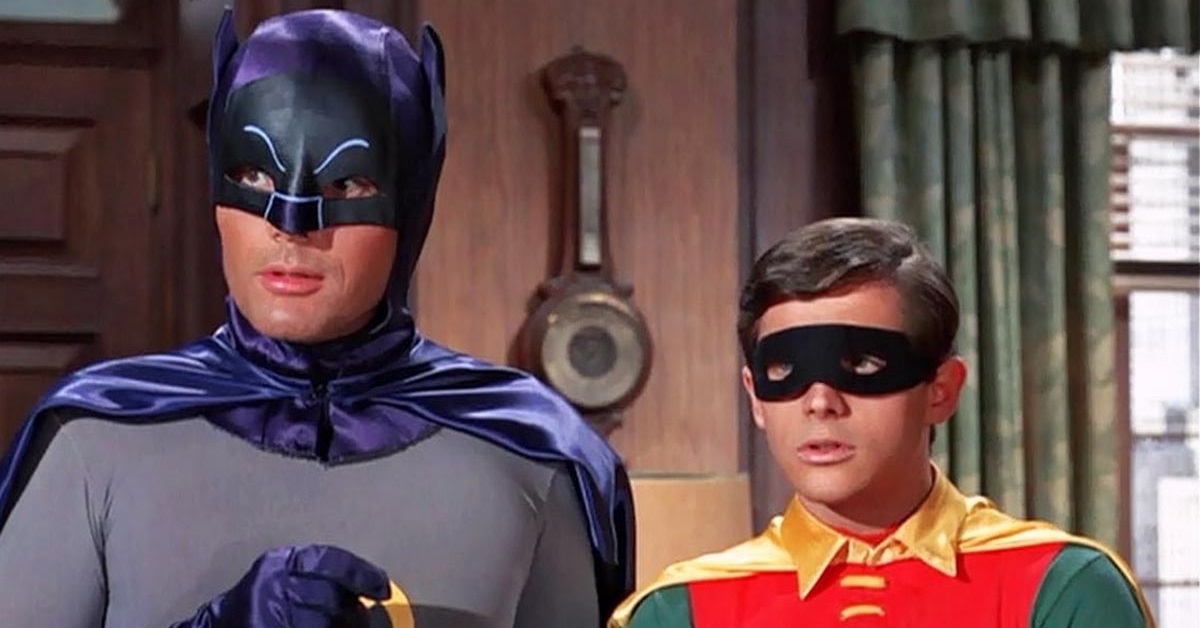
Holy 60th Anniversary, Batman!
The Batman TV show may have run for a short three seasons in the 1960s, but its cultural impact is still significantly felt today. By creating a mix of super-heroics and comedy with a pair of handsome, brave leads and a rotating crew of outlandish villains, the show was produced under a family-friendly umbrella. This winning combination of factors appealed to most demographics and inspired the period’s famous Batmania. That appreciation for the beloved show is still found in returning and new audiences 60 years later.
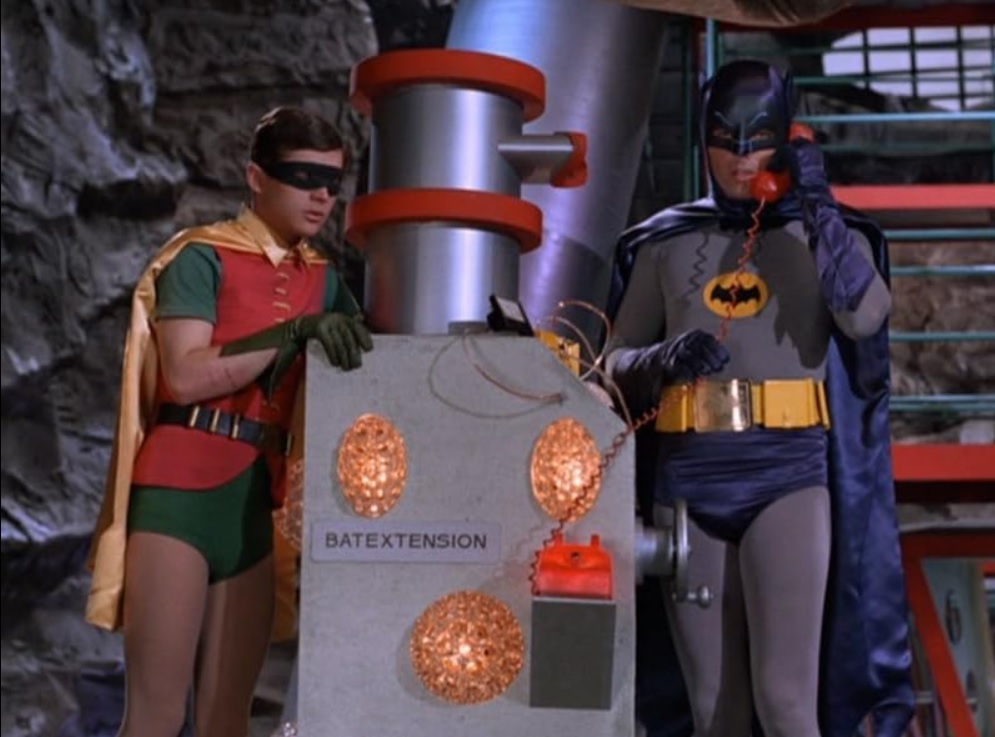
The tone of Batman was campy and tongue in cheek, borrowing the lighter aspects of Golden and Silver Age comic books. The characters, good and bad alike, took their situations very seriously, which made it even more enjoyable to watch. The crime fighting heroes defended fair Gotham from the costume-clad nefarious fiends that preyed on the city. Not only were the Dynamic Duo champions of right and wrong, Batman regularly lectured Robin on the importance of being honest, doing homework, even eating vegetables.
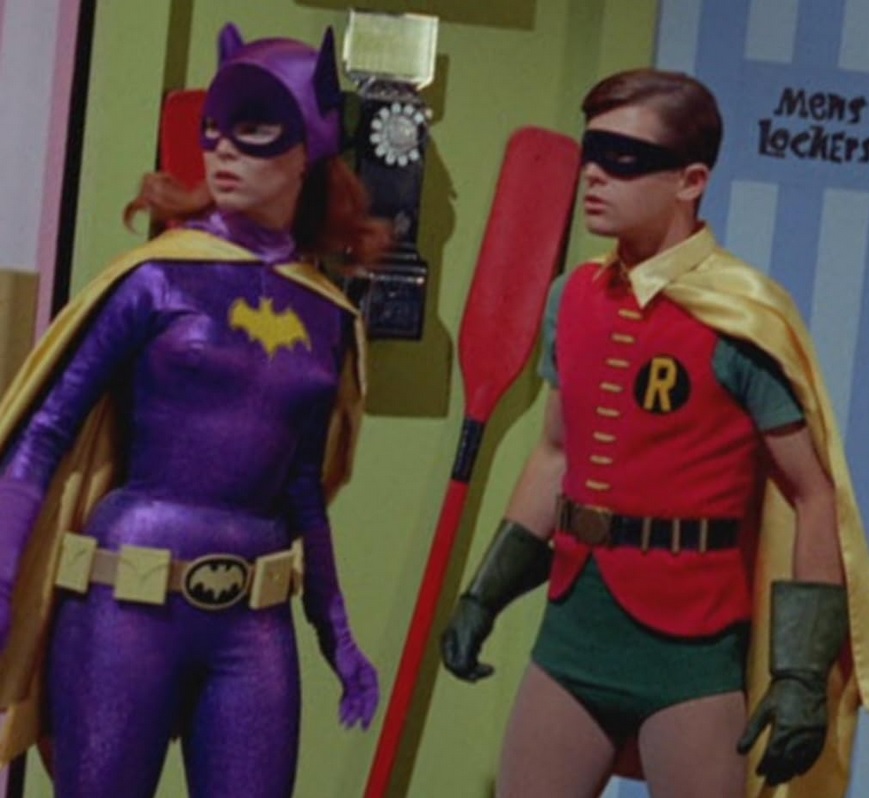
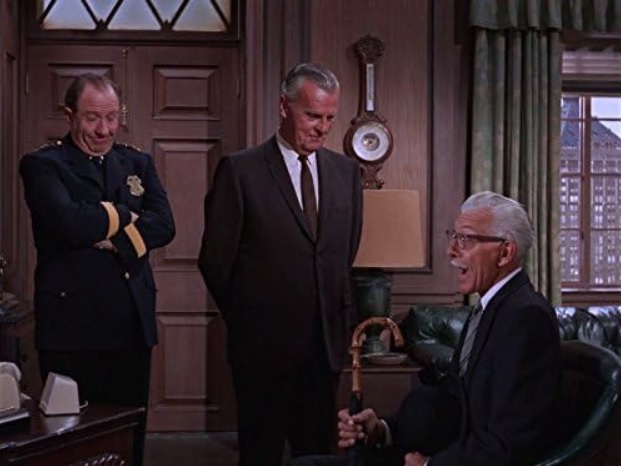
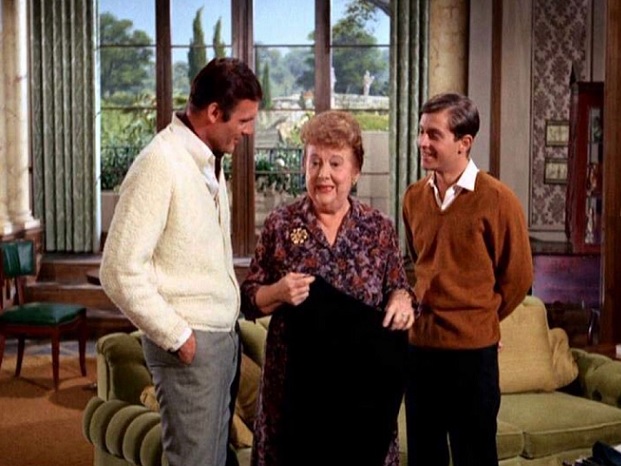
Batman ran from January 1966 to March 1968, airing 120 episodes that were shown twice weekly during the first two seasons and once a week in the third season. Adam West and Burt Ward starred as Batman/Bruce Wayne and Robin/Dick Grayson, respectively, with Alan Napier as Alfred, Neil Hamilton as Commissioner Gordon, Stafford Repp as Chief O’Hara, and Madge Blake as Harriet Cooper rounding out the regular cast. Yvonne Craig joined the show in the final season as Batgirl/Barbara Gordon.
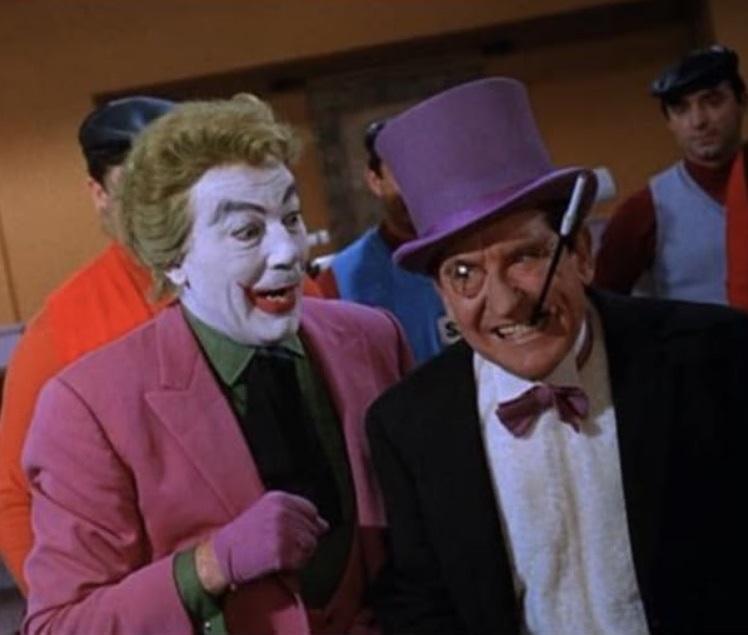
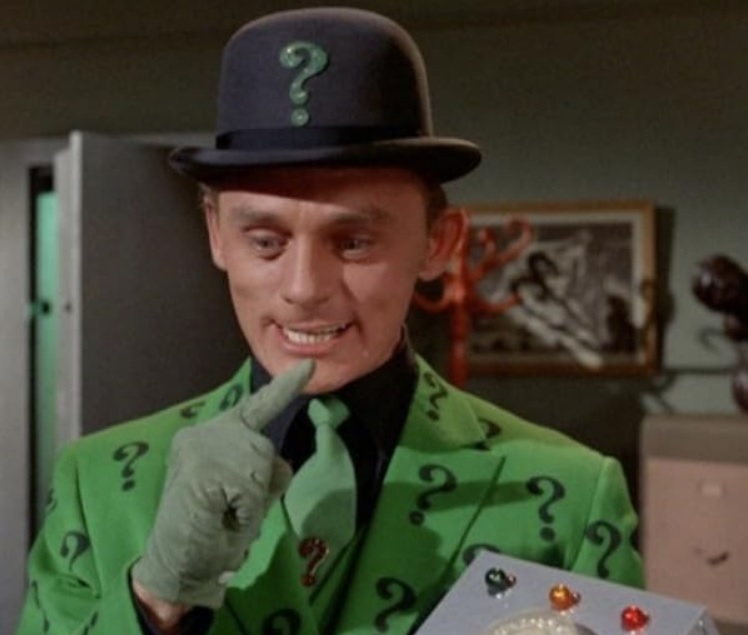
Popular Batman villains like the Joker, Penguin, the Riddler, and Catwoman appeared on Batman, as well as villains created for the show, like Egghead and King Tut. The core group of dastardly foes were played brilliantly by Cesar Romero, Burgess Meredith, Frank Gorshin, Vincent Price, and Victor Buono, among others. Three women took on the mantle of the feisty feline Catwoman starting with Julie Newmar in the first two seasons, Lee Meriwether in the movie, then Eartha Kitt in the third season.
After an earlier deal with CBS fell through, DC made a deal with ABC and 20th Century Fox was tapped to produce the show. It was put in the hands of William Dozier and his Greenway Productions, who decided that the best way to proceed was to make it a campy comedy. Head script writer Lorenzo Semple, Jr. was joined by Stanley Ralph Ross, Stanford Sherman, and Charles Hoffman, who employed an adventurous, pop-art style to outright slapstick and satire.
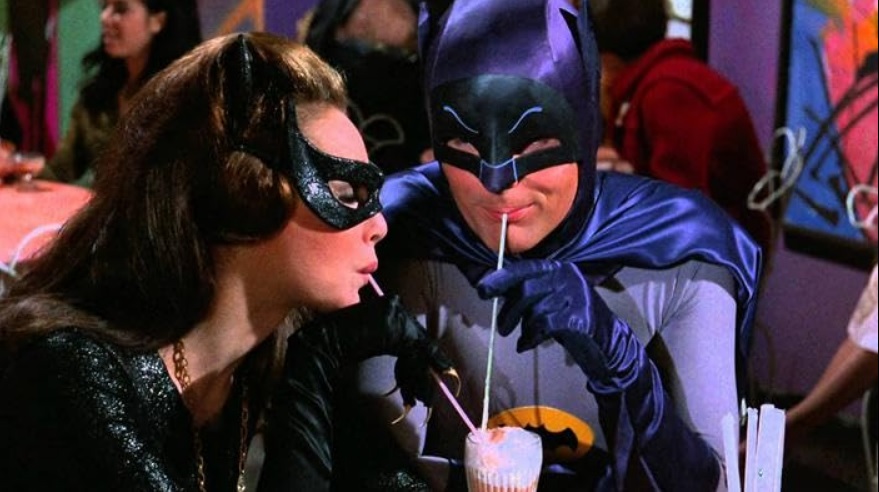
ABC originally planned for the show to be an hour-long, but they only had two early time slots available, so the show was split into two parts as half-hour installments. The first episode of each week would typically end with cliffhangers in which one or both heroes were captured by the villains and put in unnecessarily complicated traps. Often the traps were timed, giving Batman and Robin mere minutes to free themselves using their ingenuity and Batman’s trusty utility belt.
Batman utilized several recurring elements and themes during its run. Dozier added narrator to his list of duties for the show, playing up the style of the 1940s serials by narrating with urgency, combining that with boisterous vocals to excite viewers. He’d usually close out the cliffhanger episodes with the line “Tune in tomorrow – same Bat-time, same Bat-channel!”
One of the most memorable features of the show occurred during each episode’s fistfights. Batman and Robin would take on the villain and his henchmen with their punches and kicks accompanied by onomatopoeic phrases superimposed over the action in a kaleidoscope of bright colors. This clever technique mirrored the way comics prompted sound effects during fight scenes.
Robin popularized his own catchphrase, and variations thereof. When a surprising situation occurred or a villain’s plan was revealed, Robin would shout “Holy [subject] Batman!” The phrase flirted with different levels of absurdity, including Robin yelling “Holy barracuda” and “Holy haberdashery,” and many others.
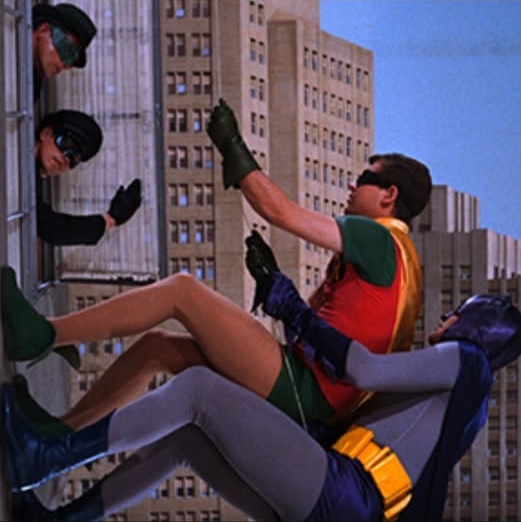
Another fun repeated gag occurred when Batman and Robin would scale the side of a building using the Batrope. The scenes were filmed by turning the camera to a 90-degree angle and making the studio floor look like the side of a building. Their capes would be pulled back with invisible lines to mimic the pull of gravity. In several of these episodes, celebrities like Jerry Lewis and Sammy Davis Jr. would make cameos by popping their heads out the windows and speaking to Batman and Robin as they climbed by.
Part of the campiness came through in the design of props and gadgets. Batman would reveal a crime fighting tool, occasionally with silly names, always preceded by the word “Bat.” It was not uncommon for him to use the Bat-Computer, Bat-Knockout Gas, and Bat-Analyzing gears.
Batman was very popular during its run and has sustained its audience and achieved new fans through reunions, home release formats, a Batman ’66 comic book, and animated films in 2016 and 2017 with original cast members West, Ward, and Newmar voicing their characters. Holy longevity, Batman!

Popular Topics
Overstreet Access Quick Links
Holy 60th Anniversary, Batman!
The Batman TV show may have run for a short three seasons in the 1960s, but its cultural impact is still significantly felt today. By creating a mix of super-heroics and comedy with a pair of handsome, brave leads and a rotating crew of outlandish villains, the show was produced under a family-friendly umbrella. This winning combination of factors appealed to most demographics and inspired the period’s famous Batmania. That appreciation for the beloved show is still found in returning and new audiences 60 years later.
The tone of Batman was campy and tongue in cheek, borrowing the lighter aspects of Golden and Silver Age comic books. The characters, good and bad alike, took their situations very seriously, which made it even more enjoyable to watch. The crime fighting heroes defended fair Gotham from the costume-clad nefarious fiends that preyed on the city. Not only were the Dynamic Duo champions of right and wrong, Batman regularly lectured Robin on the importance of being honest, doing homework, even eating vegetables.
Batman ran from January 1966 to March 1968, airing 120 episodes that were shown twice weekly during the first two seasons and once a week in the third season. Adam West and Burt Ward starred as Batman/Bruce Wayne and Robin/Dick Grayson, respectively, with Alan Napier as Alfred, Neil Hamilton as Commissioner Gordon, Stafford Repp as Chief O’Hara, and Madge Blake as Harriet Cooper rounding out the regular cast. Yvonne Craig joined the show in the final season as Batgirl/Barbara Gordon.
Popular Batman villains like the Joker, Penguin, the Riddler, and Catwoman appeared on Batman, as well as villains created for the show, like Egghead and King Tut. The core group of dastardly foes were played brilliantly by Cesar Romero, Burgess Meredith, Frank Gorshin, Vincent Price, and Victor Buono, among others. Three women took on the mantle of the feisty feline Catwoman starting with Julie Newmar in the first two seasons, Lee Meriwether in the movie, then Eartha Kitt in the third season.
After an earlier deal with CBS fell through, DC made a deal with ABC and 20th Century Fox was tapped to produce the show. It was put in the hands of William Dozier and his Greenway Productions, who decided that the best way to proceed was to make it a campy comedy. Head script writer Lorenzo Semple, Jr. was joined by Stanley Ralph Ross, Stanford Sherman, and Charles Hoffman, who employed an adventurous, pop-art style to outright slapstick and satire.
ABC originally planned for the show to be an hour-long, but they only had two early time slots available, so the show was split into two parts as half-hour installments. The first episode of each week would typically end with cliffhangers in which one or both heroes were captured by the villains and put in unnecessarily complicated traps. Often the traps were timed, giving Batman and Robin mere minutes to free themselves using their ingenuity and Batman’s trusty utility belt.
Batman utilized several recurring elements and themes during its run. Dozier added narrator to his list of duties for the show, playing up the style of the 1940s serials by narrating with urgency, combining that with boisterous vocals to excite viewers. He’d usually close out the cliffhanger episodes with the line “Tune in tomorrow – same Bat-time, same Bat-channel!”
One of the most memorable features of the show occurred during each episode’s fistfights. Batman and Robin would take on the villain and his henchmen with their punches and kicks accompanied by onomatopoeic phrases superimposed over the action in a kaleidoscope of bright colors. This clever technique mirrored the way comics prompted sound effects during fight scenes.
Robin popularized his own catchphrase, and variations thereof. When a surprising situation occurred or a villain’s plan was revealed, Robin would shout “Holy [subject] Batman!” The phrase flirted with different levels of absurdity, including Robin yelling “Holy barracuda” and “Holy haberdashery,” and many others.
Another fun repeated gag occurred when Batman and Robin would scale the side of a building using the Batrope. The scenes were filmed by turning the camera to a 90-degree angle and making the studio floor look like the side of a building. Their capes would be pulled back with invisible lines to mimic the pull of gravity. In several of these episodes, celebrities like Jerry Lewis and Sammy Davis Jr. would make cameos by popping their heads out the windows and speaking to Batman and Robin as they climbed by.
Part of the campiness came through in the design of props and gadgets. Batman would reveal a crime fighting tool, occasionally with silly names, always preceded by the word “Bat.” It was not uncommon for him to use the Bat-Computer, Bat-Knockout Gas, and Bat-Analyzing gears.
Batman was very popular during its run and has sustained its audience and achieved new fans through reunions, home release formats, a Batman ’66 comic book, and animated films in 2016 and 2017 with original cast members West, Ward, and Newmar voicing their characters. Holy longevity, Batman!
Popular Topics
Overstreet Access Quick Links