



Inside the Guide: Bat-Manga
Japanese comics, typically referred to as manga, have a history as long and as storied as American comics. So the fact that Batman would have graced the pages of manga at some point shouldn’t come as much of a surprise – though it has only happened on very few occasions.
The first such instance was in the mid-1960s, with the release of Batman (バットマン “Battoman”). The shonen manga (or “boy’s comic”) was an adaptation of the American comic book series at the time, and came about during an absolute craze for the character that was ongoing in Japan at the time. The manga was authored and illustrated by Jiro Kuwata, who had previous experience with his own original superhero tales such as Maboroshi Tantei and 8 Man, plus adaptations of tokusatsu (effects heavy live-action) series such as Moonlight Mask and Ultra Seven.
Japan’s intense love for Batman came with the 1966 Batman television series starring Adam West. In response to the character’s sudden popularity, the magazine Shonen King licensed the rights to the character from DC Comics, and Kuwata adapted the character’s existing history for the manga in serialized form. When the craze died down by 1967, the manga too concluded.
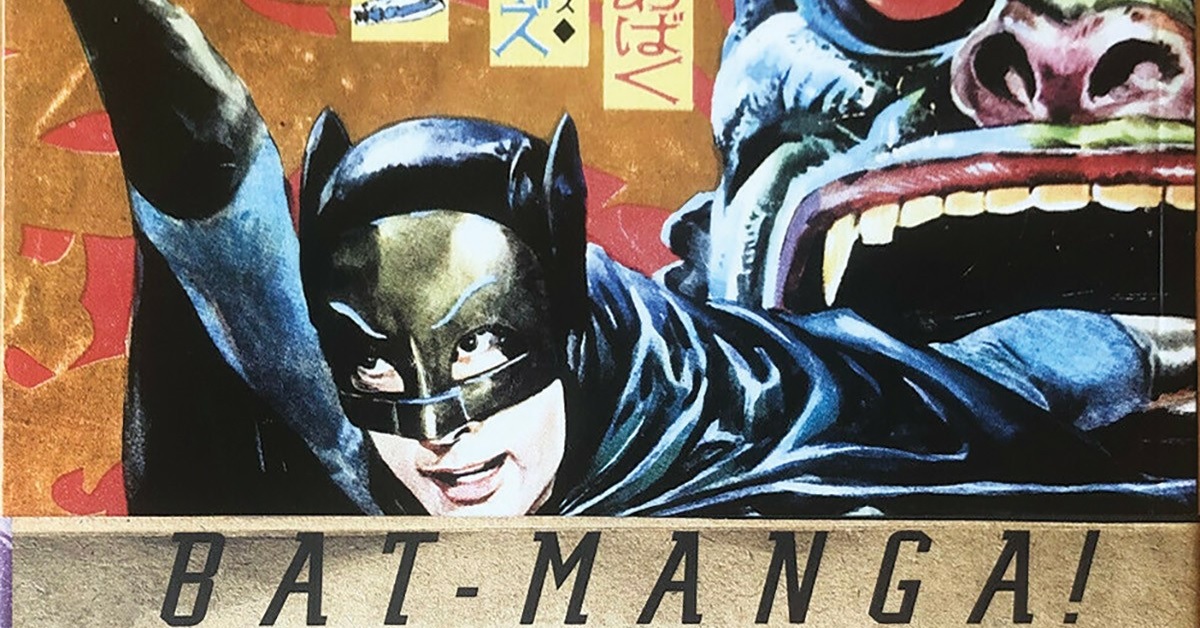
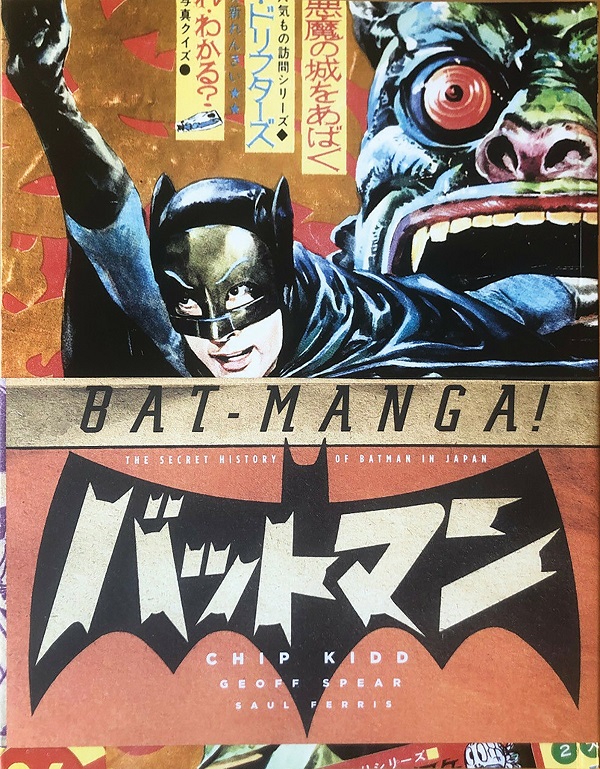
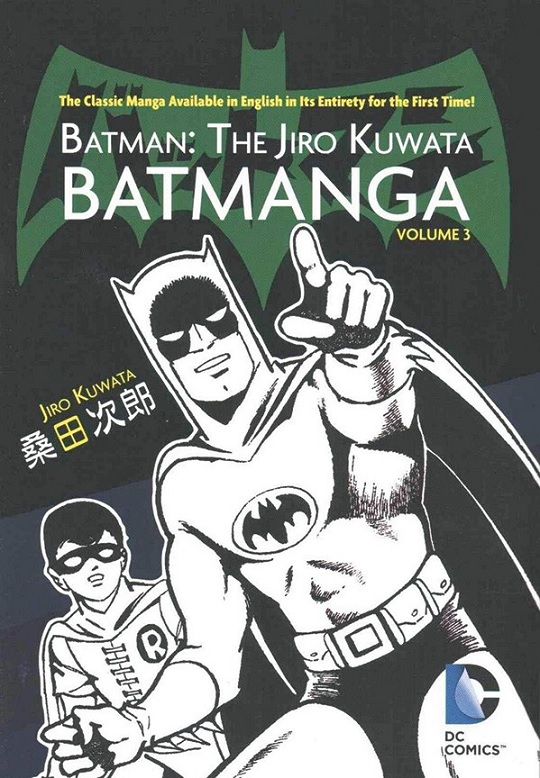
However, the stories were never properly compiled into a complete volume, nor were they ever translated into English, and were considered somewhat lost until the publication of Bat-Manga! The Secret History of Batman in Japan in 2008. The book came about as the result of Batman: Year One creator David Mazzuchelli learning about the original manga during a trip to Japan; Mazzuchelli discussed the manga with novelist Chip Kidd, who later encountered a collector, Saul Ferris, who owned most of the manga. Collaborating with DC Comics and working with Anne Ishii to properly translate the manga for the first time, Bat-Manga! resulted in the publication of the Batman manga series for the first time in decades. In 2014, DC began working with ComiXology to release the story under the name The Jiro Kuwata Batmanga as a Digital First series. It later released as a physical edition published by DC Comics.
DC would later work to help produce two more original manga-style Batman stories, beginning in 2000 with Batman: Child of Dreams. The story, written and illustrated by Kia Asamiya, was originally serialized in Kodansha’s Magazine Z publication over the course of a year before being collected into two volumes. Magazine Z was primarily focused on seinen (adult-oriented) storylines, and played home to series such as Wolf’s Rain, FLCL and Turn A Gundam. Asamiya had spent years drawing from American influences, particularly superheroes (including Batman) and Star Wars, and is best-known for his original works Martian Successor Nadesico and Silent Mobius.
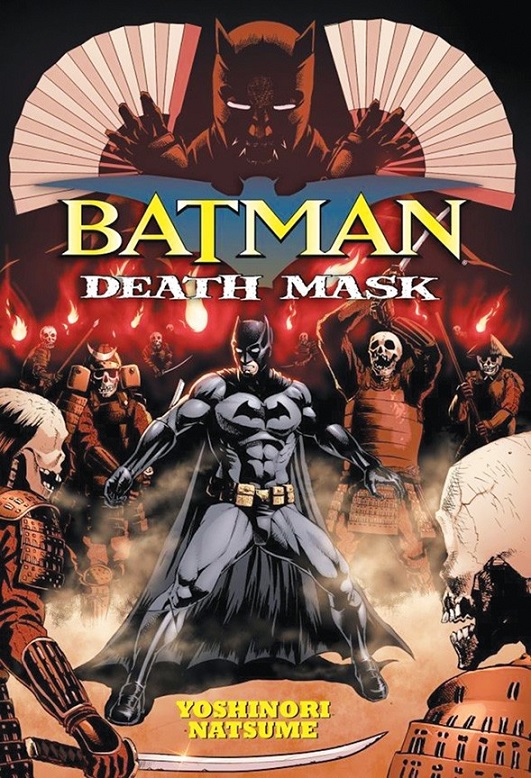
Batman: Death Mask (2008) was published via CMX, a division of Wildstorm, which served as DC’s line of manga translations between 2004 and 2010. Death Mask was a four-issue original limited series that was later collected into a single volume.

Popular Topics
Overstreet Access Quick Links
Inside the Guide: Bat-Manga
Japanese comics, typically referred to as manga, have a history as long and as storied as American comics. So the fact that Batman would have graced the pages of manga at some point shouldn’t come as much of a surprise – though it has only happened on very few occasions.
The first such instance was in the mid-1960s, with the release of Batman (バットマン “Battoman”). The shonen manga (or “boy’s comic”) was an adaptation of the American comic book series at the time, and came about during an absolute craze for the character that was ongoing in Japan at the time. The manga was authored and illustrated by Jiro Kuwata, who had previous experience with his own original superhero tales such as Maboroshi Tantei and 8 Man, plus adaptations of tokusatsu (effects heavy live-action) series such as Moonlight Mask and Ultra Seven.
Japan’s intense love for Batman came with the 1966 Batman television series starring Adam West. In response to the character’s sudden popularity, the magazine Shonen King licensed the rights to the character from DC Comics, and Kuwata adapted the character’s existing history for the manga in serialized form. When the craze died down by 1967, the manga too concluded.
However, the stories were never properly compiled into a complete volume, nor were they ever translated into English, and were considered somewhat lost until the publication of Bat-Manga! The Secret History of Batman in Japan in 2008. The book came about as the result of Batman: Year One creator David Mazzuchelli learning about the original manga during a trip to Japan; Mazzuchelli discussed the manga with novelist Chip Kidd, who later encountered a collector, Saul Ferris, who owned most of the manga. Collaborating with DC Comics and working with Anne Ishii to properly translate the manga for the first time, Bat-Manga! resulted in the publication of the Batman manga series for the first time in decades. In 2014, DC began working with ComiXology to release the story under the name The Jiro Kuwata Batmanga as a Digital First series. It later released as a physical edition published by DC Comics.
DC would later work to help produce two more original manga-style Batman stories, beginning in 2000 with Batman: Child of Dreams. The story, written and illustrated by Kia Asamiya, was originally serialized in Kodansha’s Magazine Z publication over the course of a year before being collected into two volumes. Magazine Z was primarily focused on seinen (adult-oriented) storylines, and played home to series such as Wolf’s Rain, FLCL and Turn A Gundam. Asamiya had spent years drawing from American influences, particularly superheroes (including Batman) and Star Wars, and is best-known for his original works Martian Successor Nadesico and Silent Mobius.
Batman: Death Mask (2008) was published via CMX, a division of Wildstorm, which served as DC’s line of manga translations between 2004 and 2010. Death Mask was a four-issue original limited series that was later collected into a single volume.
Popular Topics
Overstreet Access Quick Links