



Creator Profile: Bill Mauldin
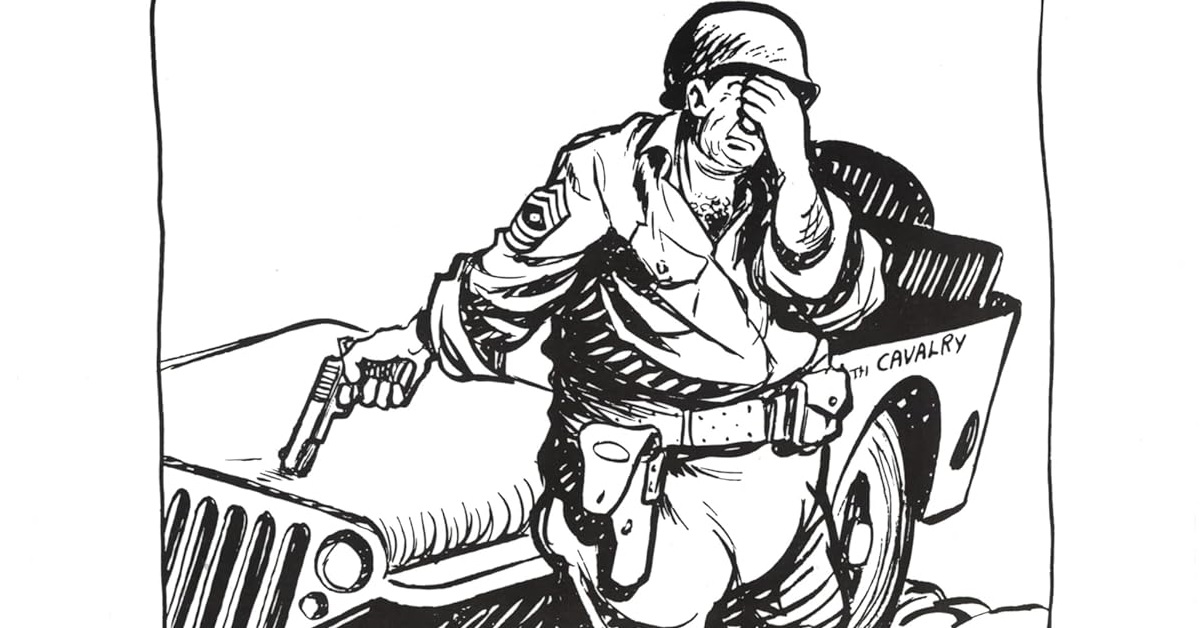
Bill Mauldin was a Pulitzer Prize winning editorial cartoonist best known for his World War II sketches that ran the gamut from heart wrenching to utterly whimsical.
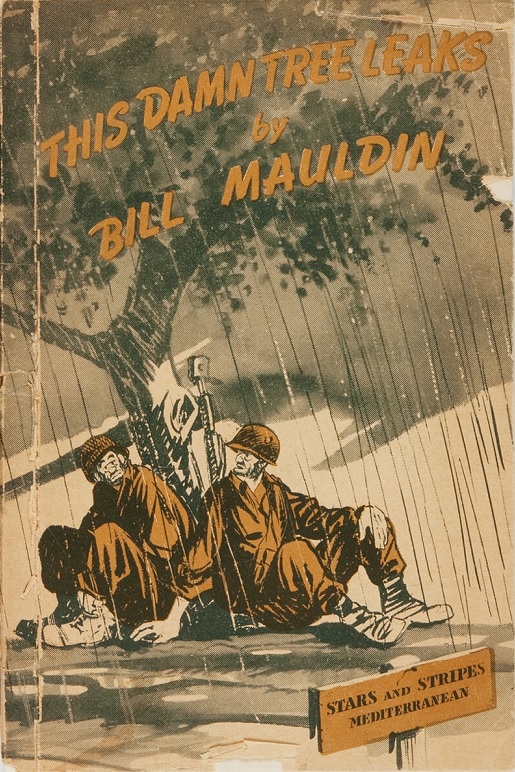
An art lover since the early days, Mauldin attended the Academy of Fine Art in Chicago before enlisting in the Army in 1940. While in service, he continued to draw first for smaller Division newspapers, then for the service-wide papers Stars and Stripes. Two of his best-known characters were two rugged, muddy infantrymen said to be based on two of Mauldin’s comrades.
In 1944, he was picked up by United Features Syndicate, and his work began to appear in the national papers – most notably the Chicago Sun-Times.
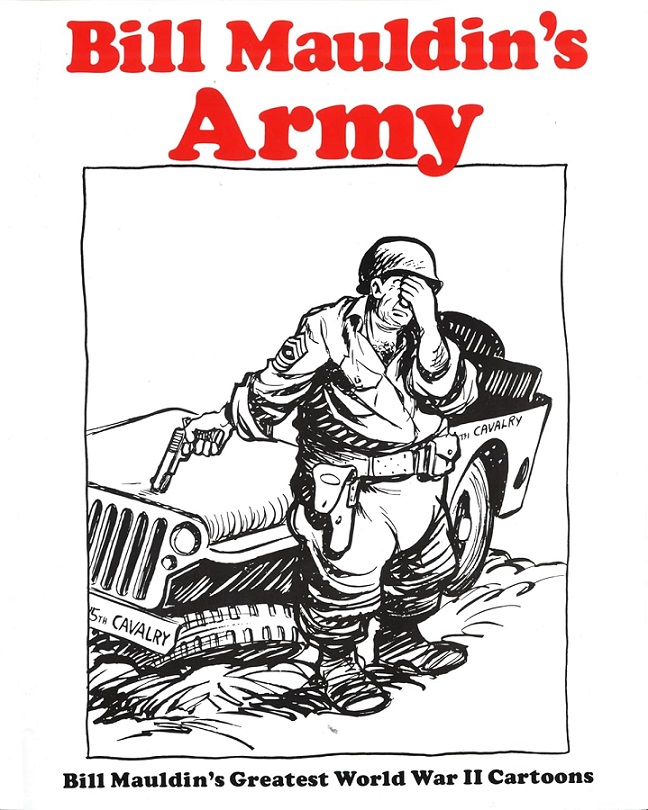
His cartoons, even after the war, made bold statements about the social issues of the day. He attacked racism and McCarthyism, and his outspokenness actually made him unpopular with many small town papers.
In 1962, Mauldin moved to the Chicago Sun-Times, where the assassination of President Kennedy prompted one of Mauldin’s most poignant and well-known drawings. It’s Abraham Lincoln, sitting in his customary chair at the Lincoln Memorial, with his head in his hands crying over the loss.
Mauldin’s contributions to cartooning, and to American history, should never be underestimated.

Popular Topics
Overstreet Access Quick Links
Creator Profile: Bill Mauldin
Bill Mauldin was a Pulitzer Prize winning editorial cartoonist best known for his World War II sketches that ran the gamut from heart wrenching to utterly whimsical.
An art lover since the early days, Mauldin attended the Academy of Fine Art in Chicago before enlisting in the Army in 1940. While in service, he continued to draw first for smaller Division newspapers, then for the service-wide papers Stars and Stripes. Two of his best-known characters were two rugged, muddy infantrymen said to be based on two of Mauldin’s comrades.
In 1944, he was picked up by United Features Syndicate, and his work began to appear in the national papers – most notably the Chicago Sun-Times.
His cartoons, even after the war, made bold statements about the social issues of the day. He attacked racism and McCarthyism, and his outspokenness actually made him unpopular with many small town papers.
In 1962, Mauldin moved to the Chicago Sun-Times, where the assassination of President Kennedy prompted one of Mauldin’s most poignant and well-known drawings. It’s Abraham Lincoln, sitting in his customary chair at the Lincoln Memorial, with his head in his hands crying over the loss.
Mauldin’s contributions to cartooning, and to American history, should never be underestimated.
Popular Topics
Overstreet Access Quick Links