



The Golden Age of Television
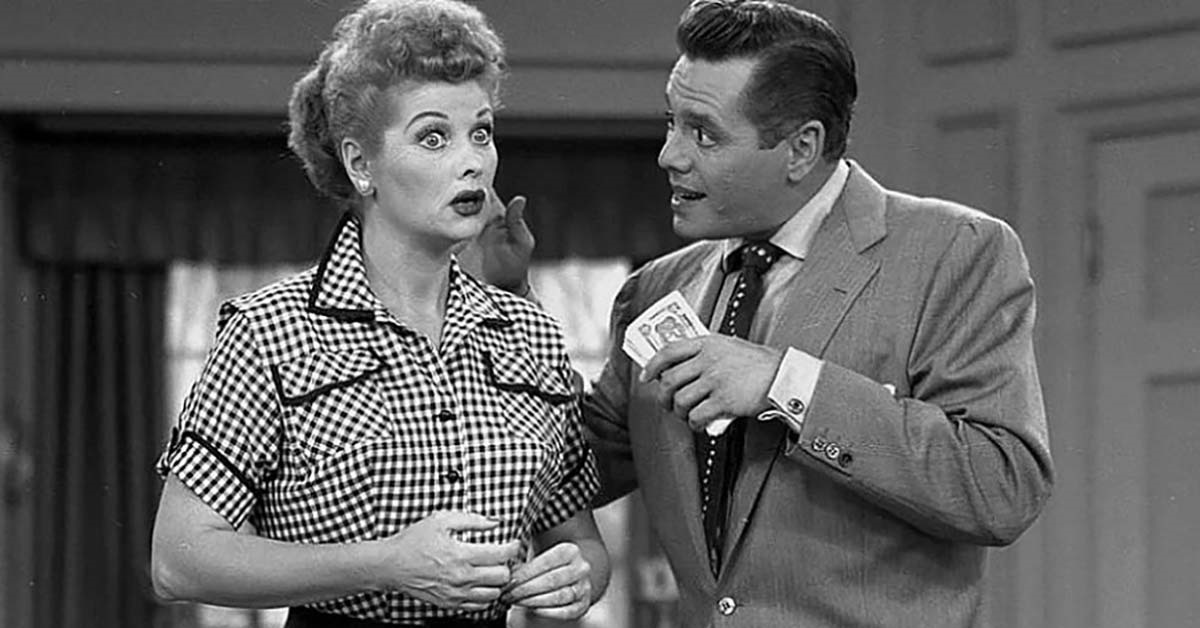
The invention of the television was a gradual process that began in the 1920s. Once the machines were built and fine-tuned, it took a while to set up studios, create programing, and convince Americans to spend their money on the expensive TVs. Those puzzle pieces fell into place by the 1950s, leading to a fruitful period of creation before TV tropes were established and story ideas became well worn. That decade of creativity became known as the golden age of television.
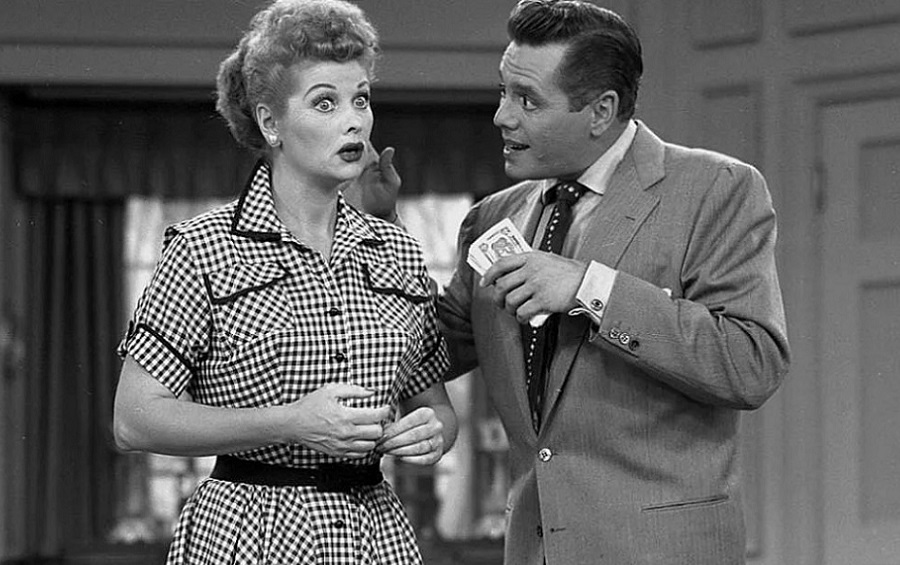
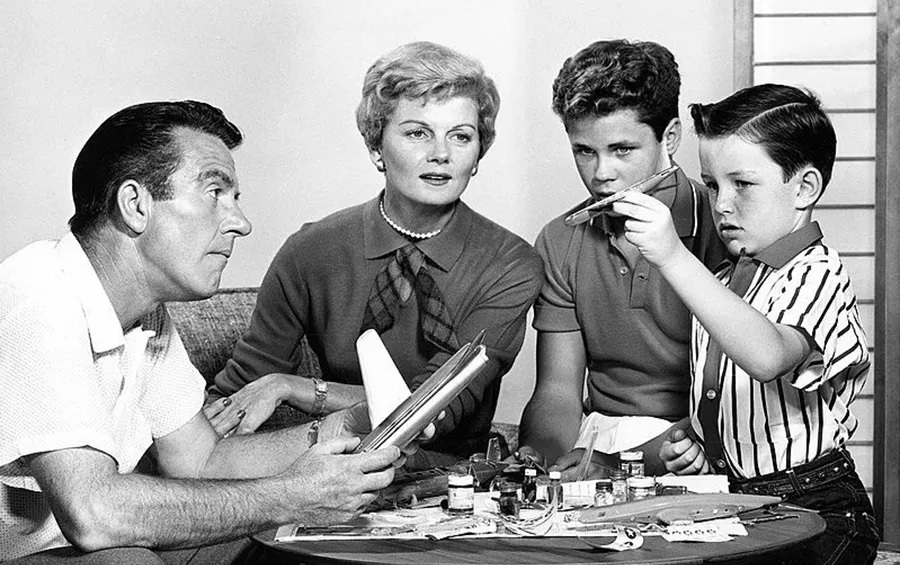
Situational comedies, better known as sitcoms, thrived during the 1950s. Some of these programs grew out of vaudeville stage acts or radio shows with many of their writers and casts making the transition to TV. There were zany and outlandish comedies like I Love Lucy, The Honeymooners, Life with Elizabeth, The George Burns and Gracie Allen Show, and the fourth wall breaking Jack Benny Program, which typically centered around a couple and their friends and coworkers. Family sitcoms were important to the decade, providing entertainment for all viewers, and typically life lessons for the younger ones. Some of the top family sitcoms were Leave It to Beaver, Father Knows Best, Lassie, The Donna Reed Show, and The Adventures of Ozzie and Harriet.
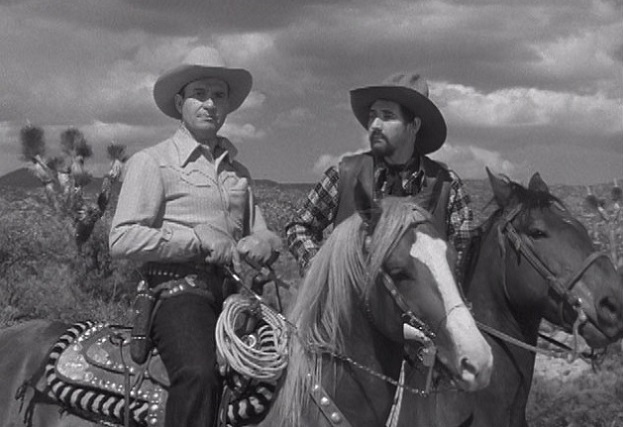
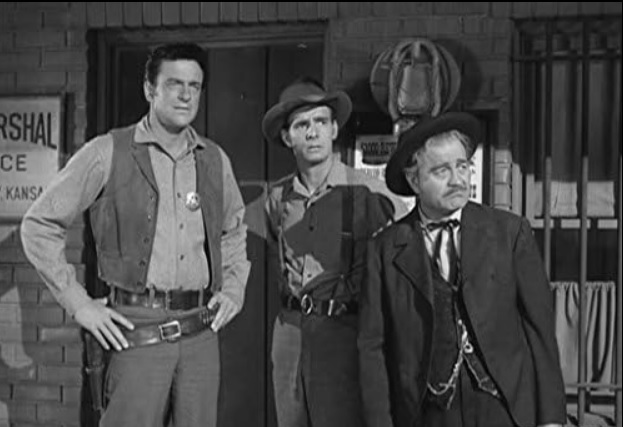
Westerns were incredibly popular in the 1950s, starting with Hopalong Cassidy. Dozens of Westerns came out during that period, including The Gene Autry Show, Gunsmoke, The Lone Ranger, The Roy Rogers Show, Annie Oakley, Maverick, The Rifleman, Have Gun – Will Travel, and Wagon Train. These shows followed rugged, heroic cowboys fighting the lawless rascals who threatened quant country towns. Some of the tamer shows focused more on the charming simplicity of the pastoral lifestyle.
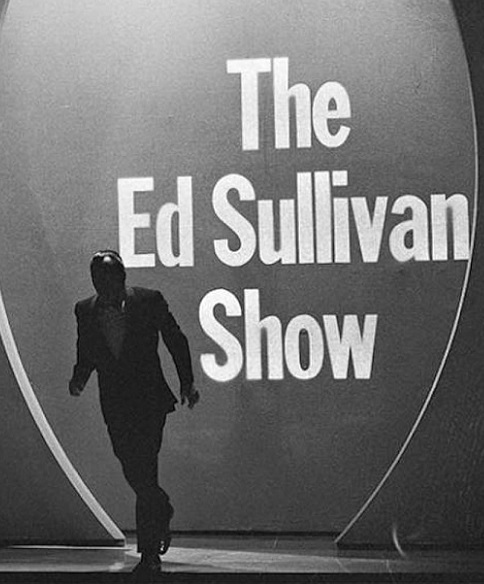
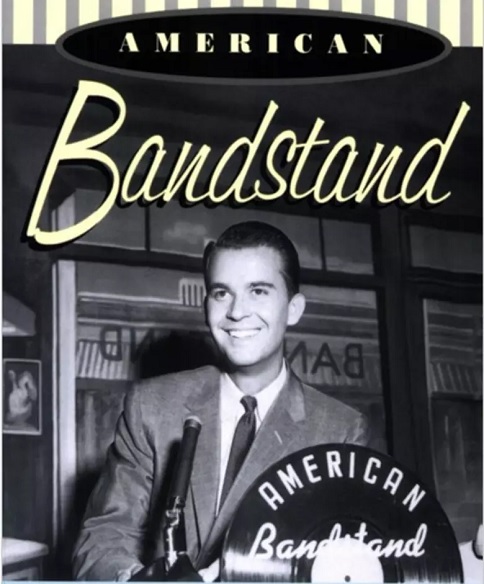
Variety shows became famous in the 1950s, notably The Ed Sullivan Show and American Bandstand. True to the name, these programs provided a variety of entertainment like musical performances, skits, comedy routines, magic, ventriloquism, and more. It was the opportunity for many talented performers to shine including (but definitely not limited to) Bob Hope, Dean Martin and Jerry Lewis, Milton Berle, Dinah Shore, Abbott and Costello, Frank Sinatra, Red Skelton, Nat King Cole, and Lawrence Welk.
Television also gave viewers a new way to enjoy theatrical productions and see movies at home. There was plenty of Disney programming, and the stage productions of Peter Pan, Cinderella, Cyrano de Bergerac, and The Wizard of Oz. Performances of ballets like The Nutcracker, the first opera made for TV, Amahl and the Night Visitors, shows at Carnegie Hall, and programs starring Broadway actors were shown.
Many other milestones also occurred during the period. Journalism and news shows became important outlets for learning about current events, especially when presented by Walter Cronkite. Late night talk shows, particularly Tonight, were successful, and game shows were popular on daytime TV. Professional wrestling started airing on television with the introduction of storyline segments to engage viewers.

Popular Topics
Overstreet Access Quick Links
The Golden Age of Television
The invention of the television was a gradual process that began in the 1920s. Once the machines were built and fine-tuned, it took a while to set up studios, create programing, and convince Americans to spend their money on the expensive TVs. Those puzzle pieces fell into place by the 1950s, leading to a fruitful period of creation before TV tropes were established and story ideas became well worn. That decade of creativity became known as the golden age of television.
Situational comedies, better known as sitcoms, thrived during the 1950s. Some of these programs grew out of vaudeville stage acts or radio shows with many of their writers and casts making the transition to TV. There were zany and outlandish comedies like I Love Lucy, The Honeymooners, Life with Elizabeth, The George Burns and Gracie Allen Show, and the fourth wall breaking Jack Benny Program, which typically centered around a couple and their friends and coworkers. Family sitcoms were important to the decade, providing entertainment for all viewers, and typically life lessons for the younger ones. Some of the top family sitcoms were Leave It to Beaver, Father Knows Best, Lassie, The Donna Reed Show, and The Adventures of Ozzie and Harriet.
Westerns were incredibly popular in the 1950s, starting with Hopalong Cassidy. Dozens of Westerns came out during that period, including The Gene Autry Show, Gunsmoke, The Lone Ranger, The Roy Rogers Show, Annie Oakley, Maverick, The Rifleman, Have Gun – Will Travel, and Wagon Train. These shows followed rugged, heroic cowboys fighting the lawless rascals who threatened quant country towns. Some of the tamer shows focused more on the charming simplicity of the pastoral lifestyle.
Variety shows became famous in the 1950s, notably The Ed Sullivan Show and American Bandstand. True to the name, these programs provided a variety of entertainment like musical performances, skits, comedy routines, magic, ventriloquism, and more. It was the opportunity for many talented performers to shine including (but definitely not limited to) Bob Hope, Dean Martin and Jerry Lewis, Milton Berle, Dinah Shore, Abbott and Costello, Frank Sinatra, Red Skelton, Nat King Cole, and Lawrence Welk.
Television also gave viewers a new way to enjoy theatrical productions and see movies at home. There was plenty of Disney programming, and the stage productions of Peter Pan, Cinderella, Cyrano de Bergerac, and The Wizard of Oz. Performances of ballets like The Nutcracker, the first opera made for TV, Amahl and the Night Visitors, shows at Carnegie Hall, and programs starring Broadway actors were shown.
Many other milestones also occurred during the period. Journalism and news shows became important outlets for learning about current events, especially when presented by Walter Cronkite. Late night talk shows, particularly Tonight, were successful, and game shows were popular on daytime TV. Professional wrestling started airing on television with the introduction of storyline segments to engage viewers.
Popular Topics
Overstreet Access Quick Links