



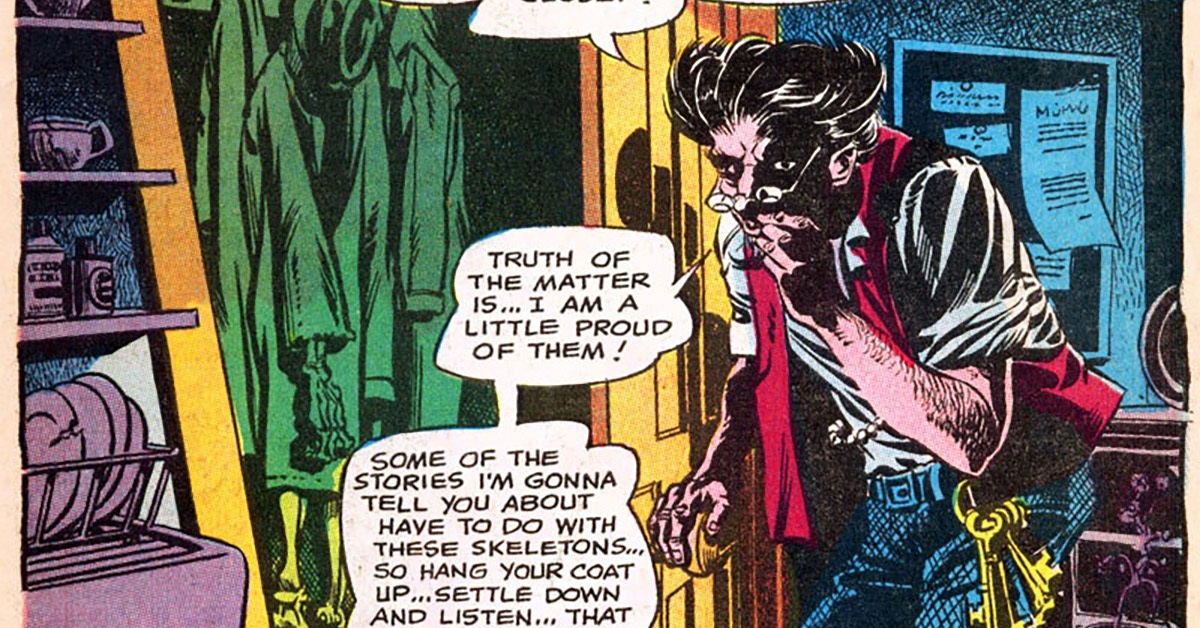
Creator Profile: Joe Orlando
Italian-American comic artist Joseph “Joe” Orlando was a man of many talents. After emigrating to the United States, the illustrator-writer-cartoonist rose in the ranks to become associate publisher of MAD and the vice president of DC Comics.
Orlando was born on April 4, 1927, in Bari, Italy and emigrated to the United States shortly thereafter. At an early age, Orlando began attending art classes at a neighborhood boys’ club. He remained in the club until he was 14, regularly winning prizes in their local competitions, including a John Wanamaker bronze medal. Orlando went on to study illustration at the School of Industrial Art, where he met fellow artist and lifelong friend Carmine Infantino. While still a student, Orlando drew his first published illustrations for a school textbook – scenes of Mark Twain’s The Prince and the Pauper.
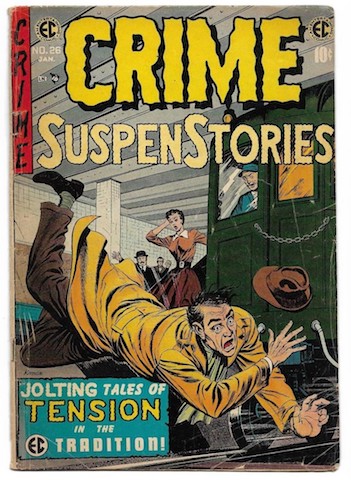
Orlando later entered the US Army, where he served until his 1947 discharge. Back in New York, he studied at the Art Students League and officially began his foray into the comic book field. Throughout the 1950s, Orlando was an assistant to Wally Wood on stories for publishers including Fox, Youthful, Avon, and EC Comics. In the summer of 1951, he became a regular staff artist with EC and started having stories published under his own name. His credits with EC included Crime SuspenStories, The Haunt of Fear, Incredible Science Fiction, Shock SuspenStories, Tales from the Crypt, Vault of Horror, and Weird Fantasy, among others.
He also drew Classics Illustrated adaptations, including Ben-Hur, A Tale of Two Cities and Rudyard Kipling’s Kim, before providing many contributions to EC’s MAD between 1960 and 1969. Orlando also scripted the Little Orphan Annie comic strip along with working on the horror comics magazine Creepy. Outside of comics, Orlando worked in toy design, packaging and advertising. His series of unusual advertisements for Harold von Braunhut’s Sea-Monkeys were later used as character concepts for the short-lived television show The Amazing Live Sea Monkeys with Howie Mandel.
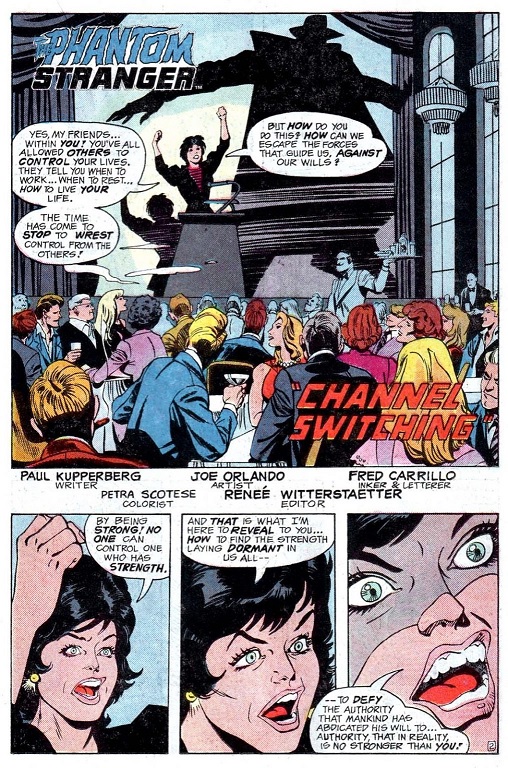
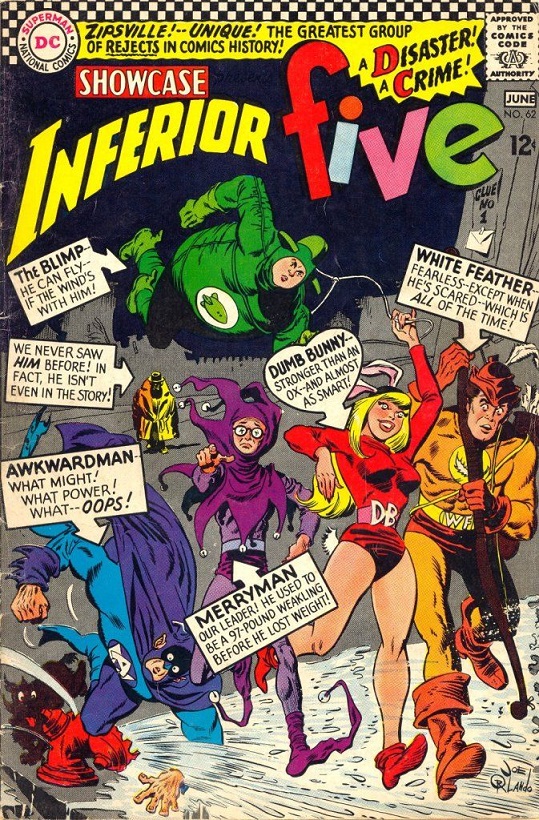
At the same time, Orlando was providing freelance work for DC Comics, creating the parody superhero team The Inferior Five for Showcase and the series Swing with Scooter. After 16 years of freelancing, Orlando was hired as the editor for DC in 1968. In addition to scripting titles, Orlando edited Adventure Comics, All-Star Comics, Anthro, Bat Lash, House of Mystery, Plop!, Swamp Thing, and The Witching Hour. Orlando was later promoted to DC’s vice president, where he guided the company’s Special Projects department. This included the creation of art for licensed products, as well as negotiating with companies, supervising production of trading cards, DC character style guides and more.
Following the death of MAD founder-publisher William Gaines in 1992, Time Warner positioned MAD under the purview of DC Comics. Orlando then became the magazine’s associate publisher and was involved in creating exclusive MAD products for the then-new Warner Brothers Studio Store on Fifth Avenue. Orlando retired from DC in 1996, but continued to work on MAD cover concepts and other projects for the next two years. The Inkpot Award winner and Will Eisner Award Hall of Fame inductee passed away on December 23, 1998, but the lasting effects of his six-decade career can be seen to this day.

Popular Topics
Overstreet Access Quick Links
Creator Profile: Joe Orlando
Italian-American comic artist Joseph “Joe” Orlando was a man of many talents. After emigrating to the United States, the illustrator-writer-cartoonist rose in the ranks to become associate publisher of MAD and the vice president of DC Comics.
Orlando was born on April 4, 1927, in Bari, Italy and emigrated to the United States shortly thereafter. At an early age, Orlando began attending art classes at a neighborhood boys’ club. He remained in the club until he was 14, regularly winning prizes in their local competitions, including a John Wanamaker bronze medal. Orlando went on to study illustration at the School of Industrial Art, where he met fellow artist and lifelong friend Carmine Infantino. While still a student, Orlando drew his first published illustrations for a school textbook – scenes of Mark Twain’s The Prince and the Pauper.
Orlando later entered the US Army, where he served until his 1947 discharge. Back in New York, he studied at the Art Students League and officially began his foray into the comic book field. Throughout the 1950s, Orlando was an assistant to Wally Wood on stories for publishers including Fox, Youthful, Avon, and EC Comics. In the summer of 1951, he became a regular staff artist with EC and started having stories published under his own name. His credits with EC included Crime SuspenStories, The Haunt of Fear, Incredible Science Fiction, Shock SuspenStories, Tales from the Crypt, Vault of Horror, and Weird Fantasy, among others.
He also drew Classics Illustrated adaptations, including Ben-Hur, A Tale of Two Cities and Rudyard Kipling’s Kim, before providing many contributions to EC’s MAD between 1960 and 1969. Orlando also scripted the Little Orphan Annie comic strip along with working on the horror comics magazine Creepy. Outside of comics, Orlando worked in toy design, packaging and advertising. His series of unusual advertisements for Harold von Braunhut’s Sea-Monkeys were later used as character concepts for the short-lived television show The Amazing Live Sea Monkeys with Howie Mandel.
At the same time, Orlando was providing freelance work for DC Comics, creating the parody superhero team The Inferior Five for Showcase and the series Swing with Scooter. After 16 years of freelancing, Orlando was hired as the editor for DC in 1968. In addition to scripting titles, Orlando edited Adventure Comics, All-Star Comics, Anthro, Bat Lash, House of Mystery, Plop!, Swamp Thing, and The Witching Hour. Orlando was later promoted to DC’s vice president, where he guided the company’s Special Projects department. This included the creation of art for licensed products, as well as negotiating with companies, supervising production of trading cards, DC character style guides and more.
Following the death of MAD founder-publisher William Gaines in 1992, Time Warner positioned MAD under the purview of DC Comics. Orlando then became the magazine’s associate publisher and was involved in creating exclusive MAD products for the then-new Warner Brothers Studio Store on Fifth Avenue. Orlando retired from DC in 1996, but continued to work on MAD cover concepts and other projects for the next two years. The Inkpot Award winner and Will Eisner Award Hall of Fame inductee passed away on December 23, 1998, but the lasting effects of his six-decade career can be seen to this day.
Popular Topics
Overstreet Access Quick Links