



Swooning Over Teen Idol Magazines
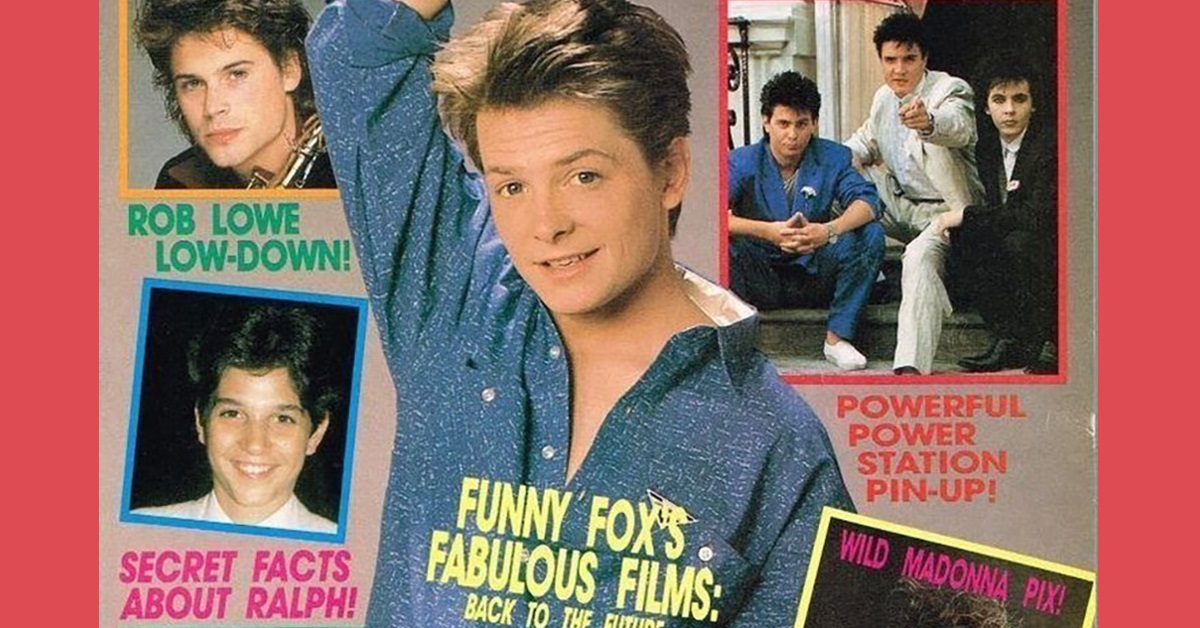
Teen magazines have been around since the 1940s when Seventeen debuted on store shelves. Aimed at teenage girls, the magazines were filled with tips on fashion, makeup, trends, romance, and self-care. Two decades later in the 1960s, a new type of teen magazine was introduced that was more entertainment oriented with a focus on popular young stars.
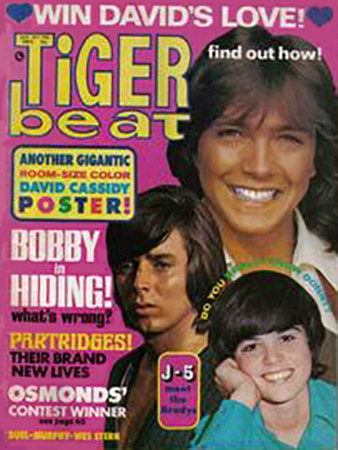
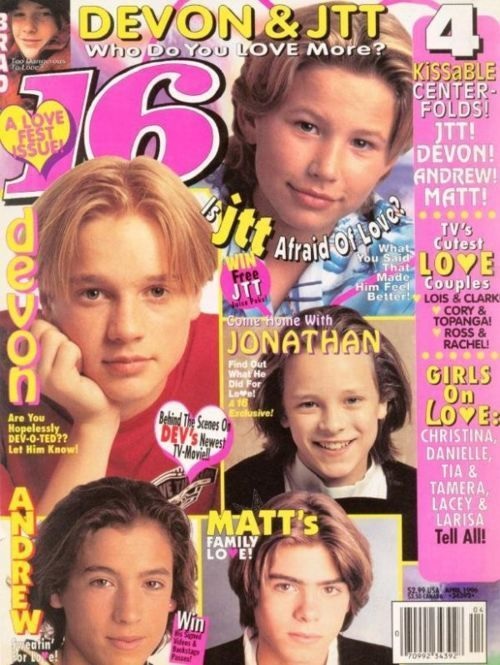
Teen idol magazines like Tiger Beat, 16, Teen Beat, and Bop thrived from the ‘60s to the early 2000s. With a key demographic of tween to teenage girls, the magazines focused on the cutest and most crush-worthy famous young men who were starring in movies and TV shows or tearing up the music charts. They featured interviews with the stars, articles about their upcoming projects, and lots and lots of photos. Typically, the magazines would include several posters that girls could remove from the glossy publication to cover their lockers and bedroom walls.
To connect with readers, the magazines often addressed them directly with headlines like “Are you the type of girl David Cassidy is looking for?” or “What Jonathan Brandis thinks about meeting fans like you.” Their look was also much more in-your-face than entertainment magazines for adults with large images of the stars often in front of pink and other bright colored backgrounds.
They had their finger on the pulse of which stars were rising in popularity and would fill magazines with their content. In the early days it was Elvis Presley, Tab Hunter, the Beatles, Donnie Osmond, the Jackson Five, and David and Shaun Cassidy. The ‘80s magazines were filled with Michael J. Fox, Kirk Cameron, Ralph Macchio, Scott Baio, Corey Haim, and Rick Springfield. Then the ‘90s were all about Jonathan Taylor Thomas, Devon Sawa, Rider Strong, and boybands like Boyz II Men, *NSync, and the Backstreet Boys.
There were certain rules that the magazines followed when it came to the stars featured in their pages. For instance, young men who were clean cut and staying out of trouble would get good coverage, and when someone misbehaved it wasn’t mentioned. The magazines rarely mentioned when the stars were in relationships to make readers think that some day they could meet and date their dream boys.

Popular Topics
Overstreet Access Quick Links
Swooning Over Teen Idol Magazines
Teen magazines have been around since the 1940s when Seventeen debuted on store shelves. Aimed at teenage girls, the magazines were filled with tips on fashion, makeup, trends, romance, and self-care. Two decades later in the 1960s, a new type of teen magazine was introduced that was more entertainment oriented with a focus on popular young stars.
Teen idol magazines like Tiger Beat, 16, Teen Beat, and Bop thrived from the ‘60s to the early 2000s. With a key demographic of tween to teenage girls, the magazines focused on the cutest and most crush-worthy famous young men who were starring in movies and TV shows or tearing up the music charts. They featured interviews with the stars, articles about their upcoming projects, and lots and lots of photos. Typically, the magazines would include several posters that girls could remove from the glossy publication to cover their lockers and bedroom walls.
To connect with readers, the magazines often addressed them directly with headlines like “Are you the type of girl David Cassidy is looking for?” or “What Jonathan Brandis thinks about meeting fans like you.” Their look was also much more in-your-face than entertainment magazines for adults with large images of the stars often in front of pink and other bright colored backgrounds.
They had their finger on the pulse of which stars were rising in popularity and would fill magazines with their content. In the early days it was Elvis Presley, Tab Hunter, the Beatles, Donnie Osmond, the Jackson Five, and David and Shaun Cassidy. The ‘80s magazines were filled with Michael J. Fox, Kirk Cameron, Ralph Macchio, Scott Baio, Corey Haim, and Rick Springfield. Then the ‘90s were all about Jonathan Taylor Thomas, Devon Sawa, Rider Strong, and boybands like Boyz II Men, *NSync, and the Backstreet Boys.
There were certain rules that the magazines followed when it came to the stars featured in their pages. For instance, young men who were clean cut and staying out of trouble would get good coverage, and when someone misbehaved it wasn’t mentioned. The magazines rarely mentioned when the stars were in relationships to make readers think that some day they could meet and date their dream boys.
Popular Topics
Overstreet Access Quick Links