



Life Savers: Life Saving Candy?
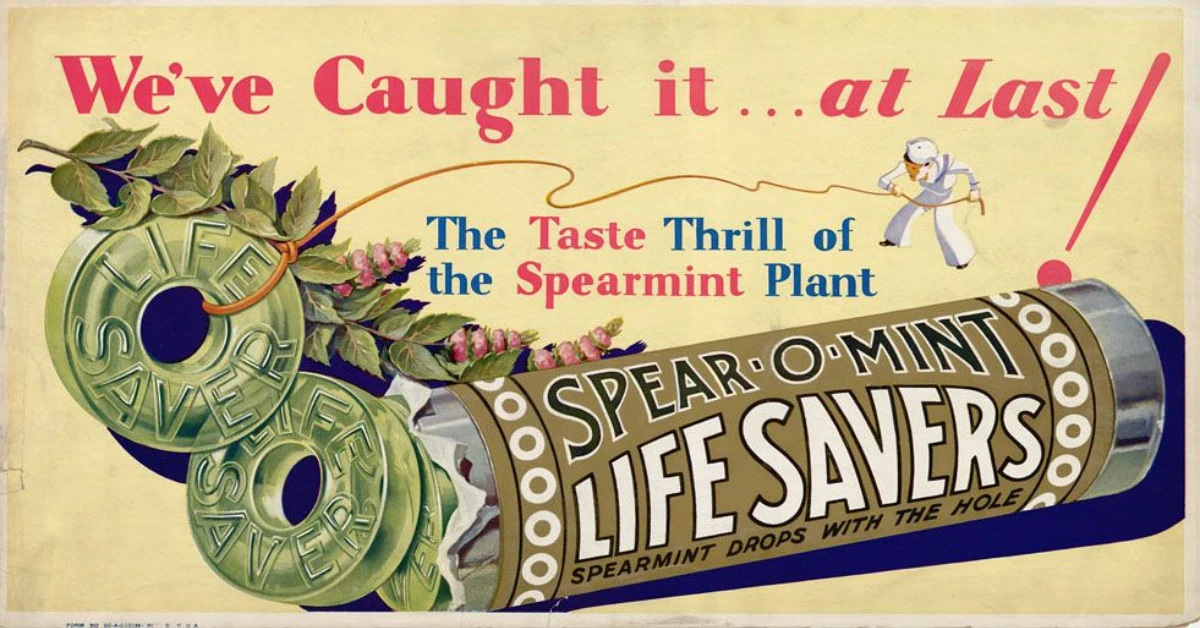
Unwrapping a Life Savers candy is one of the most simple pleasures life has to offer. Whether they are individually packaged or in a roll, peppermint or fruit flavored, they are a yummy piece of candy. But did you know the tasty treat and at times, breath freshener, was created in Cleveland, Ohio.
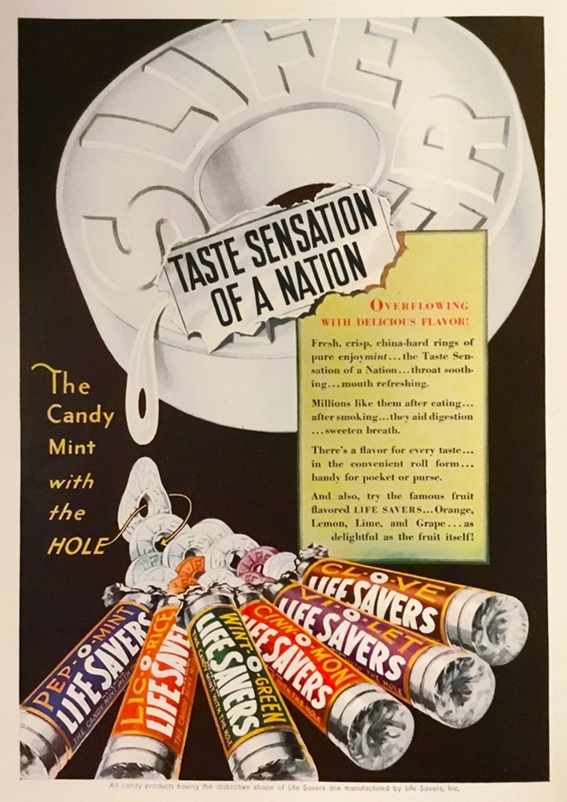
Life Savers candy was the “why didn’t I think of that” idea of chocolate maker and millionaire Clarence A. Crane in 1912. Crane found that melty chocolate didn’t sell well in the summertime and his candy industry took an unprofitable hit during the hot season. Something wintry and cool in the mouth would be much more profitable and so, “Craine’s Peppermint Life Savers” was created.
Since life preservers were just starting to be used on ships (due to the tragedy of the sinking of the Titanic), there are rumors of a trademark controversy between it and the candy. The story goes that Crane’s candy reminded him of “life savers” (that which was used to throw overboard in case someone in watery distress needed to be rescued) and trademarked the name for his own candy. Since the creator of the floating, rescuing, “life savers” company never trademarked the name, they had to start calling their product “life preservers.”
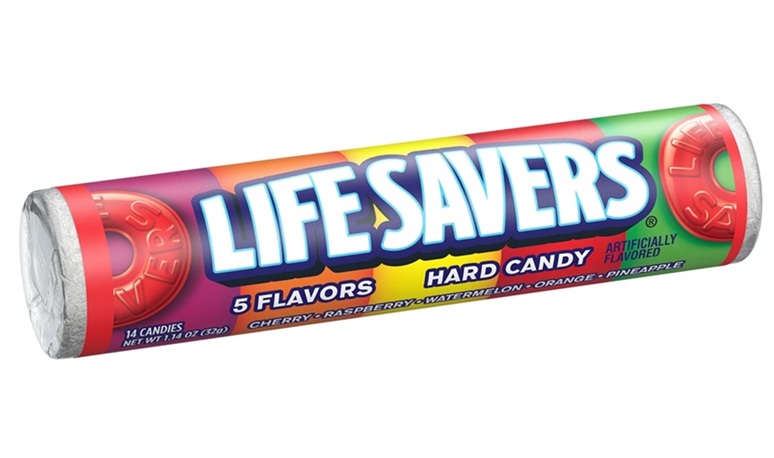
Another interesting though melancholic tale surrounding the Life Savers candy is that Crane’s daughter choked to death while sucking on a hard candy. Therefore, when Crane created his candy, he put a hole in the middle so if someone should swallow the treat, they could still breathe through the Life Savers hole. Some even maintain that this is where the name came from, though no research was found to back either of these alleged stories.
Crane sold the formula and the rights for his candy in 1913, just one year after he created it. Edward Noble bought them for $2,900, then expanded the company even further by using the product placement marketing technique. He had Life Savers placed next to cash registers where ever they were easily sold to shoppers as they made other purchases.

Popular Topics
Overstreet Access Quick Links
Life Savers: Life Saving Candy?
Unwrapping a Life Savers candy is one of the most simple pleasures life has to offer. Whether they are individually packaged or in a roll, peppermint or fruit flavored, they are a yummy piece of candy. But did you know the tasty treat and at times, breath freshener, was created in Cleveland, Ohio.
Life Savers candy was the “why didn’t I think of that” idea of chocolate maker and millionaire Clarence A. Crane in 1912. Crane found that melty chocolate didn’t sell well in the summertime and his candy industry took an unprofitable hit during the hot season. Something wintry and cool in the mouth would be much more profitable and so, “Craine’s Peppermint Life Savers” was created.
Since life preservers were just starting to be used on ships (due to the tragedy of the sinking of the Titanic), there are rumors of a trademark controversy between it and the candy. The story goes that Crane’s candy reminded him of “life savers” (that which was used to throw overboard in case someone in watery distress needed to be rescued) and trademarked the name for his own candy. Since the creator of the floating, rescuing, “life savers” company never trademarked the name, they had to start calling their product “life preservers.”
Another interesting though melancholic tale surrounding the Life Savers candy is that Crane’s daughter choked to death while sucking on a hard candy. Therefore, when Crane created his candy, he put a hole in the middle so if someone should swallow the treat, they could still breathe through the Life Savers hole. Some even maintain that this is where the name came from, though no research was found to back either of these alleged stories.
Crane sold the formula and the rights for his candy in 1913, just one year after he created it. Edward Noble bought them for $2,900, then expanded the company even further by using the product placement marketing technique. He had Life Savers placed next to cash registers where ever they were easily sold to shoppers as they made other purchases.
Popular Topics
Overstreet Access Quick Links