



Creator Profile: Graham Ingels
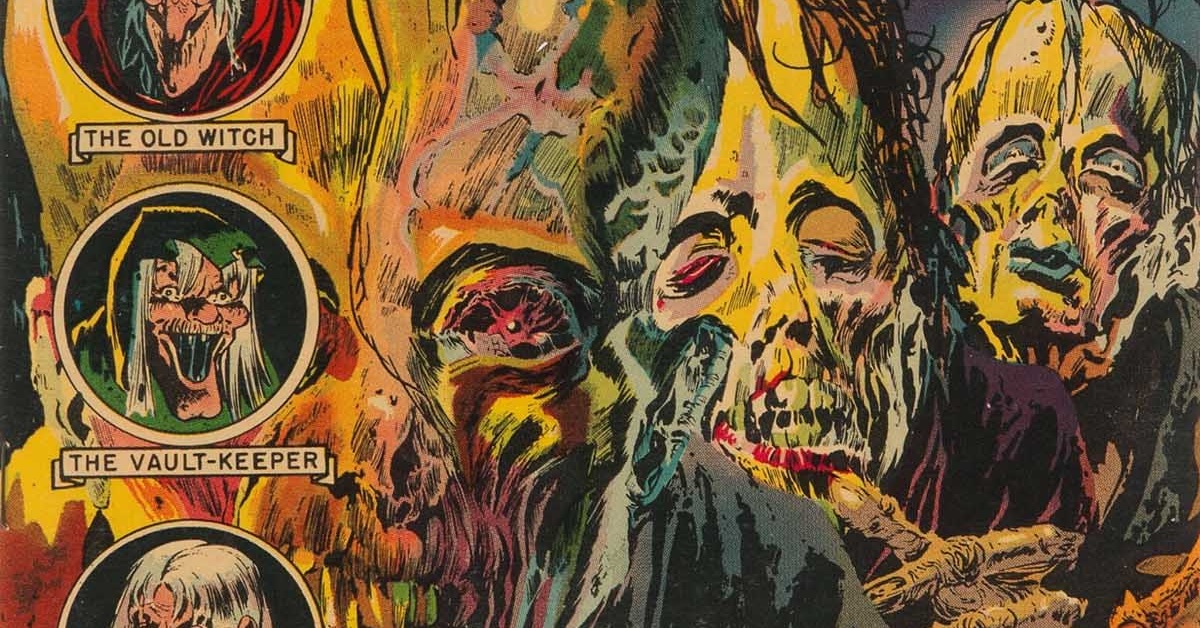
Throughout the 1940s into the mid-1950s, EC Comics specialized in horror fiction, crime fiction, satire, military fiction, dark fantasy, and science fiction. Comic book and magazine illustrator Graham Ingels played a vital role in some of the publishers most popular titles during that time. His flair for horror led EC to promote him as Ghastly Graham Ingels, a title that Ingels happily accepted even signing his work “Ghastly.”
Born to commercial artist Don Ingels, Graham began working when he was only 14 years old. By 16, he entered the art field drawing theater displays. He studied at New York’s Hawthorne School of Art, then briefly worked as a freelancer before entering the US Navy in 1943. In the same year, he started working on pulp magazines and comics for Fiction House Publications. This included illustrations on such titles as Planet Stories, Jungle Stories, North-West Romances, and Wings. He also painted a mural at the United Nations building.
Ingels contributed regularly to Planet Comics and Rangers Comics, while also working for Magazine Enterprises and other comic and pulp publishers. After becoming an art director at Better Publications, Ingels gave early comic book assignments to George Evans and a young Frank Frazetta. Ingels formed a long friendship with Evans, and Frazetta credited Ingels as the first in the business to recognize his talent. Along with crafting covers and stories for the company’s Startling Comics and Wonder Comics, Ingels drew crime comics for Magazine Enterprises. His work was also featured in publications like Manhunt, Killers, Guns, Gunsmoke, Western Fighters, Outlaws, Underworld, Gangsters Can’t Win, Exposed, and Heroic Comics.
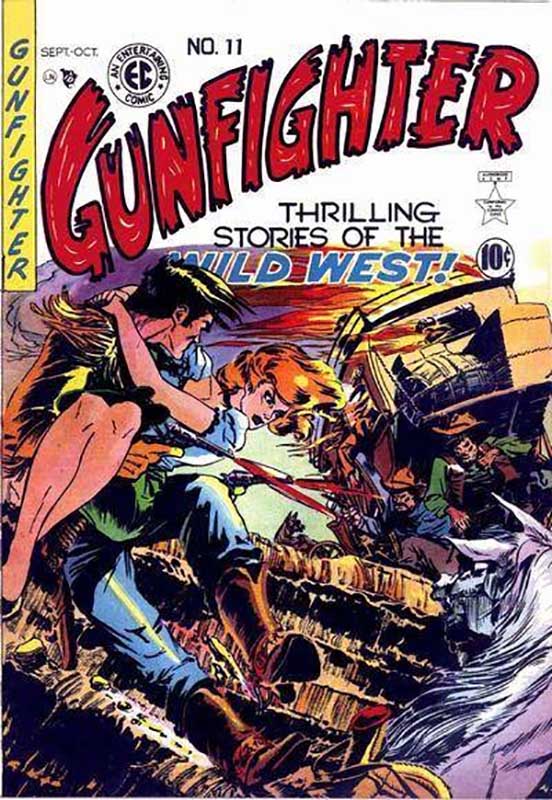
In 1948, EC Editor Al Feldstein hired Ingels to provide art for such titles as Gunfighter, Saddle Justice, Saddle Romances, Modern Love, and A Moon, A Girl… Romance. His work in Tales From the Crypt, The Vault of Horror, and The Haunt of Fear quickly proved that Ingels was an ideal illustrator of horror. Ingels’ expressive style shined in depictions of gothic horrors and hellish landscapes. Among his grotesque creatures and living corpses, Ingels would often leave his trademark – a character with a thread of saliva visible in their open mouth. While working as the lead artist for The Haunt of Fear, Ingels brought to life the Old Witch, the horror host of “The Witch’s Cauldron.”
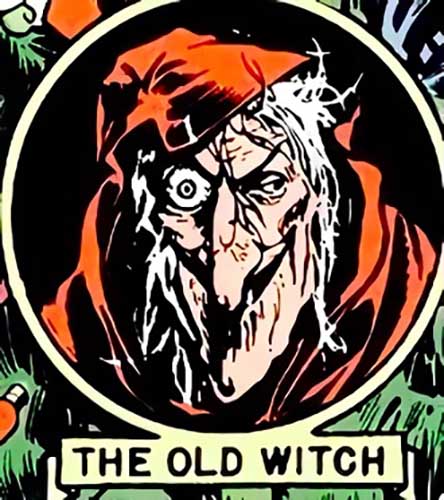
Ingels drew the cover for issues 11-28, along with depicting the Old Witch’s appearances in Tales From the Crypt, The Vault of Horror, Shock SuspenStories, and Crime SuspenStories. Ingels’ “Poetic Justice” and “Wish You Were Here” stories were later adapted for the 1972 Tales From the Crypt film. Following the cancellation of EC’s horror titles, Ingels contributed to EC’s New Direction titles including Piracy, MD, Impact, and Valor. In his later career, Ingels provided work for EC’s short lived Picto-Fiction line as well as Classics Illustrated but otherwise found little work.
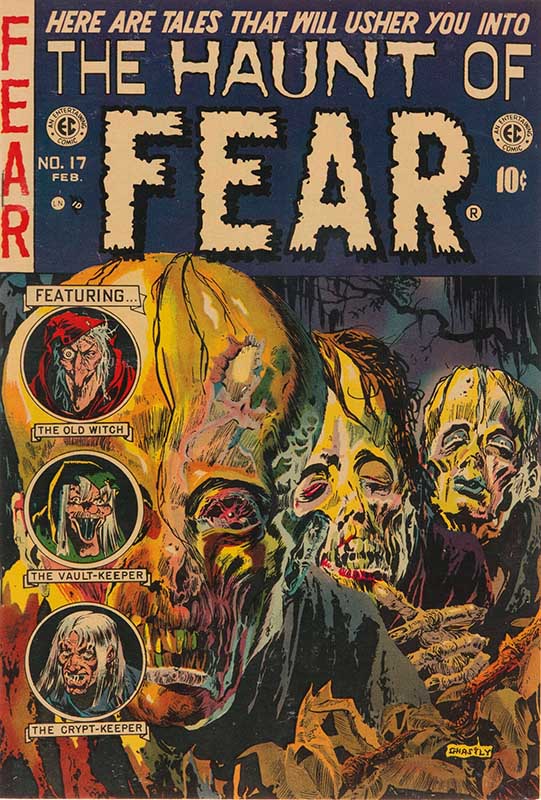
Ingels’ “Horror We? How’s Bayou?” in The Haunt of Fear #17 (February 1953) is still considered by many to be EC’s best illustrated horror story and one of the best in that era. In 2011, the Ghastly Awards adopted their name from Ingels with him serving as their first Hall of Fame inductee. The annual award honors excellence in horror comics, in which Ingels remains one of the foremost talents the industry had ever seen.

Popular Topics
Overstreet Access Quick Links
Creator Profile: Graham Ingels
Throughout the 1940s into the mid-1950s, EC Comics specialized in horror fiction, crime fiction, satire, military fiction, dark fantasy, and science fiction. Comic book and magazine illustrator Graham Ingels played a vital role in some of the publishers most popular titles during that time. His flair for horror led EC to promote him as Ghastly Graham Ingels, a title that Ingels happily accepted even signing his work “Ghastly.”
Born to commercial artist Don Ingels, Graham began working when he was only 14 years old. By 16, he entered the art field drawing theater displays. He studied at New York’s Hawthorne School of Art, then briefly worked as a freelancer before entering the US Navy in 1943. In the same year, he started working on pulp magazines and comics for Fiction House Publications. This included illustrations on such titles as Planet Stories, Jungle Stories, North-West Romances, and Wings. He also painted a mural at the United Nations building.
Ingels contributed regularly to Planet Comics and Rangers Comics, while also working for Magazine Enterprises and other comic and pulp publishers. After becoming an art director at Better Publications, Ingels gave early comic book assignments to George Evans and a young Frank Frazetta. Ingels formed a long friendship with Evans, and Frazetta credited Ingels as the first in the business to recognize his talent. Along with crafting covers and stories for the company’s Startling Comics and Wonder Comics, Ingels drew crime comics for Magazine Enterprises. His work was also featured in publications like Manhunt, Killers, Guns, Gunsmoke, Western Fighters, Outlaws, Underworld, Gangsters Can’t Win, Exposed, and Heroic Comics.
In 1948, EC Editor Al Feldstein hired Ingels to provide art for such titles as Gunfighter, Saddle Justice, Saddle Romances, Modern Love, and A Moon, A Girl… Romance. His work in Tales From the Crypt, The Vault of Horror, and The Haunt of Fear quickly proved that Ingels was an ideal illustrator of horror. Ingels’ expressive style shined in depictions of gothic horrors and hellish landscapes. Among his grotesque creatures and living corpses, Ingels would often leave his trademark – a character with a thread of saliva visible in their open mouth. While working as the lead artist for The Haunt of Fear, Ingels brought to life the Old Witch, the horror host of “The Witch’s Cauldron.”
Ingels drew the cover for issues 11-28, along with depicting the Old Witch’s appearances in Tales From the Crypt, The Vault of Horror, Shock SuspenStories, and Crime SuspenStories. Ingels’ “Poetic Justice” and “Wish You Were Here” stories were later adapted for the 1972 Tales From the Crypt film. Following the cancellation of EC’s horror titles, Ingels contributed to EC’s New Direction titles including Piracy, MD, Impact, and Valor. In his later career, Ingels provided work for EC’s short lived Picto-Fiction line as well as Classics Illustrated but otherwise found little work.
Ingels’ “Horror We? How’s Bayou?” in The Haunt of Fear #17 (February 1953) is still considered by many to be EC’s best illustrated horror story and one of the best in that era. In 2011, the Ghastly Awards adopted their name from Ingels with him serving as their first Hall of Fame inductee. The annual award honors excellence in horror comics, in which Ingels remains one of the foremost talents the industry had ever seen.
Popular Topics
Overstreet Access Quick Links