



The Science of Glow in the Dark Toys
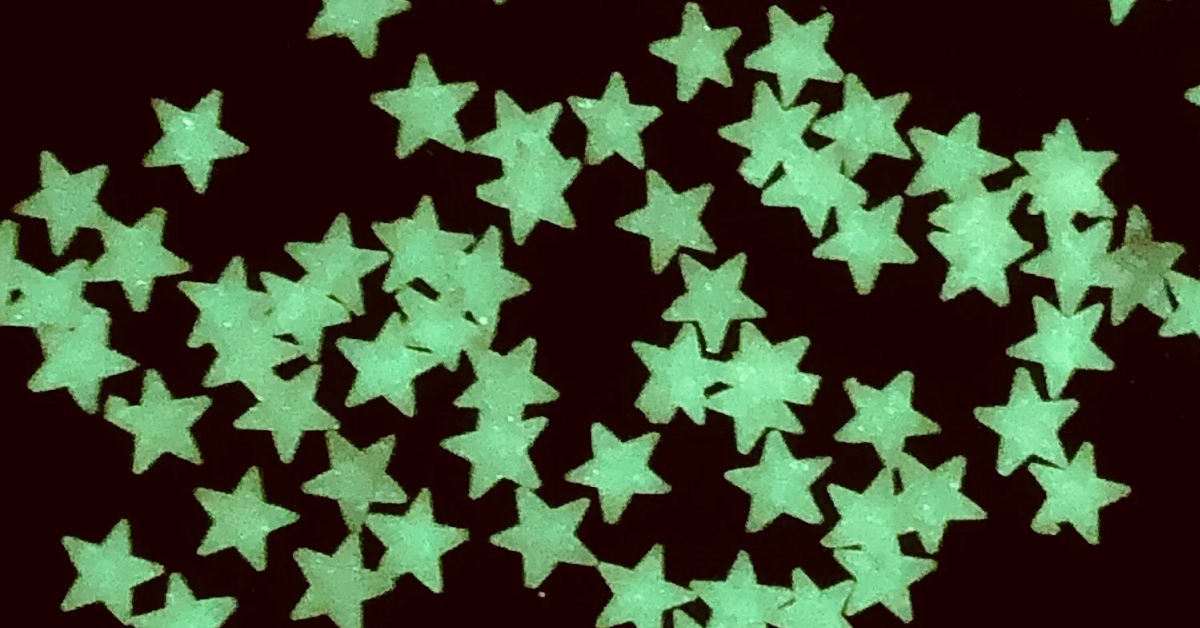
Glow in the dark toys have popped up anywhere from glow sticks and star stickers to glow in the dark posters, and even glow in the dark clothes!
But what makes those fun glow in the dark novelties…well…glow? Anyone who has owned any of these products or have had fun with them in the past, knows that anything glow in the dark must be “charged.” This is done by exposing them to light, and then when they are seen in a dark space, the glorious glow in the dark radiance… well… glows.
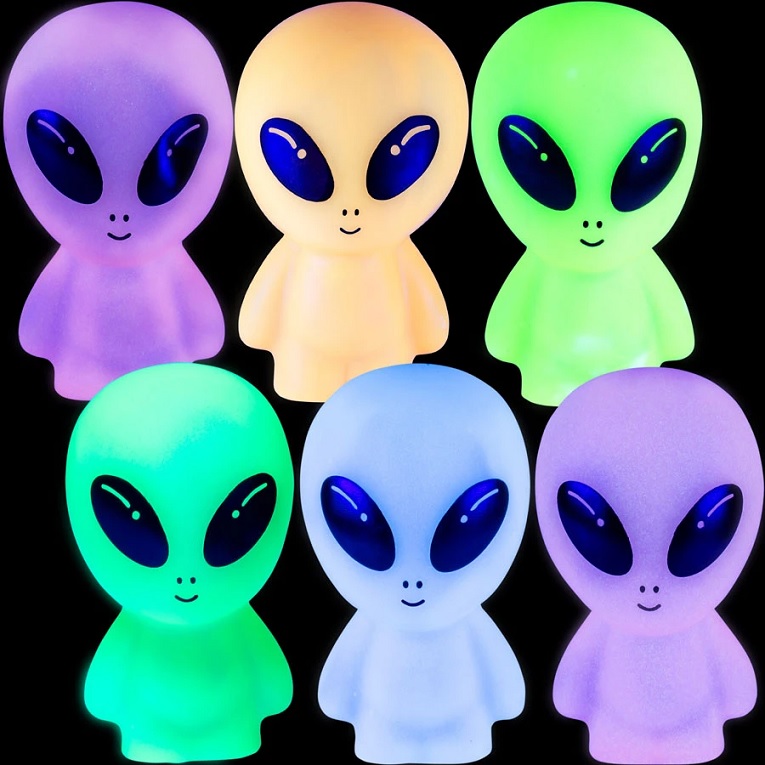
All glow in the dark products contain phosphors, which is a substance that emits visible light when energized. Phosphorescent materials continue to glow even after their light source has disappeared or has been removed. We see phosphor products every day, even if we’re not aware of it. For example, some of the main places we see phosphors is in television screens, computer monitors and fluorescent lights.
To make a glow in the dark toy, it would require phosphor that is energized by normal light and has a long resolution. Two phosphors that have these characteristics are zinc sulfide and strontium aluminate. The latter is newer and it’s what is seen in the “super” glow in the dark toys that emit glowing light for an hour or longer. The phosphor is mixed into a plastic and molded to make most glow in the dark merchandise.
Glow in the dark stars have gone through phases of popularity in kids’ bedrooms and glow in the dark paint is used to produce a unique aesthetic. The technology is used in toys like Slinkys, bouncy balls, and figures that benefit from the novelty like ghosts, aliens, and dinosaurs. There are glow in the dark toy labs, shirts and hats, and even on comic book covers like Ghost Rider #15 (July 1991), which was the first of its kind.


Popular Topics
Overstreet Access Quick Links
The Science of Glow in the Dark Toys
Glow in the dark toys have popped up anywhere from glow sticks and star stickers to glow in the dark posters, and even glow in the dark clothes!
But what makes those fun glow in the dark novelties…well…glow? Anyone who has owned any of these products or have had fun with them in the past, knows that anything glow in the dark must be “charged.” This is done by exposing them to light, and then when they are seen in a dark space, the glorious glow in the dark radiance… well… glows.
All glow in the dark products contain phosphors, which is a substance that emits visible light when energized. Phosphorescent materials continue to glow even after their light source has disappeared or has been removed. We see phosphor products every day, even if we’re not aware of it. For example, some of the main places we see phosphors is in television screens, computer monitors and fluorescent lights.
To make a glow in the dark toy, it would require phosphor that is energized by normal light and has a long resolution. Two phosphors that have these characteristics are zinc sulfide and strontium aluminate. The latter is newer and it’s what is seen in the “super” glow in the dark toys that emit glowing light for an hour or longer. The phosphor is mixed into a plastic and molded to make most glow in the dark merchandise.
Glow in the dark stars have gone through phases of popularity in kids’ bedrooms and glow in the dark paint is used to produce a unique aesthetic. The technology is used in toys like Slinkys, bouncy balls, and figures that benefit from the novelty like ghosts, aliens, and dinosaurs. There are glow in the dark toy labs, shirts and hats, and even on comic book covers like Ghost Rider #15 (July 1991), which was the first of its kind.
Popular Topics
Overstreet Access Quick Links