



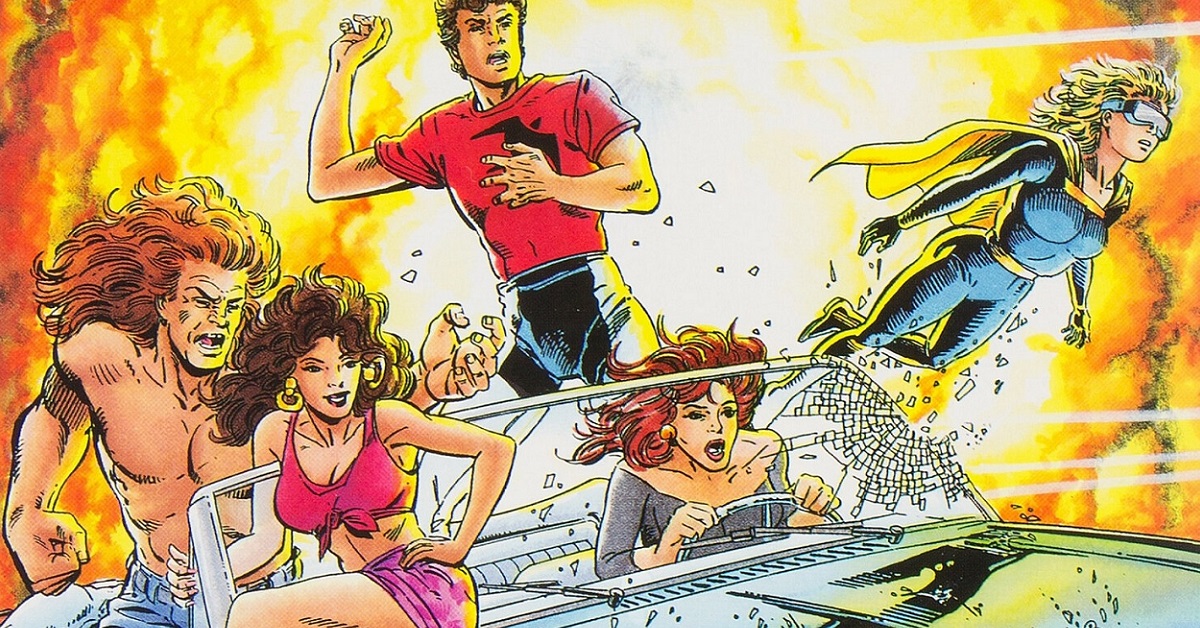
Valiant Takeover in this Week’s Off the Presses
Former Marvel Comics Editor-in-Chief Jim Shooter, entertainment lawyer Steven J. Massarsky and a group of investors formed Voyager Communications in 1989. Their venture would lead to the launch of the Valiant imprint and a slate of refreshed superheroes and new characters. This week in our Off the Presses section, we are reviewing just a few of our favorite Valiant issues and covers. But first, we are taking a look back at key moments in the line of comics.
While the company became known for its superhero line, they were not the company’s first offerings. Utilizing many of the same creators who would soon define their better-selling efforts, Valiant produced Adventures of Super Mario Bros. and others under a Nintendo license, and WWF Battlemania.
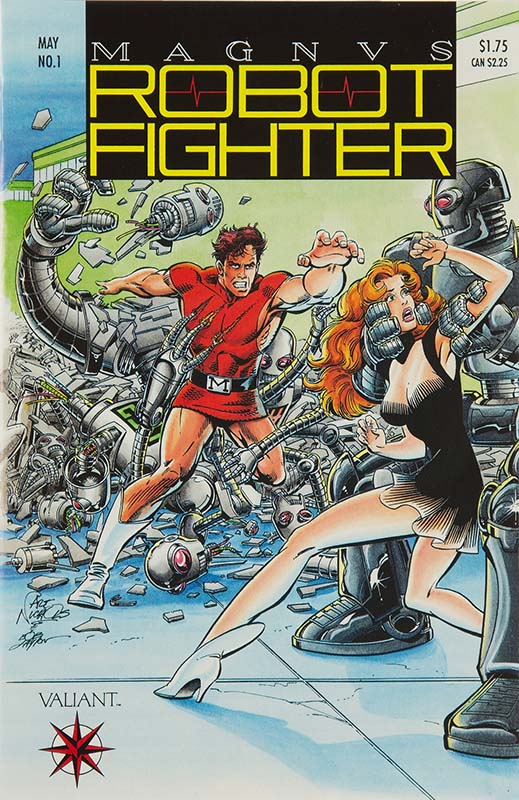
Magnus Robot Fighter #1 (May 1991) saw the debut of that universe. The character had originally appeared in Magnus Robot Fighter 4000 A.D. #1 from Gold Key (February 1963). Shooter and company had licensed Magnus, Solar, and Turok from Gold Key’s parent, Western Publishing, on terms that Shooter has described as “a sweetheart deal.”
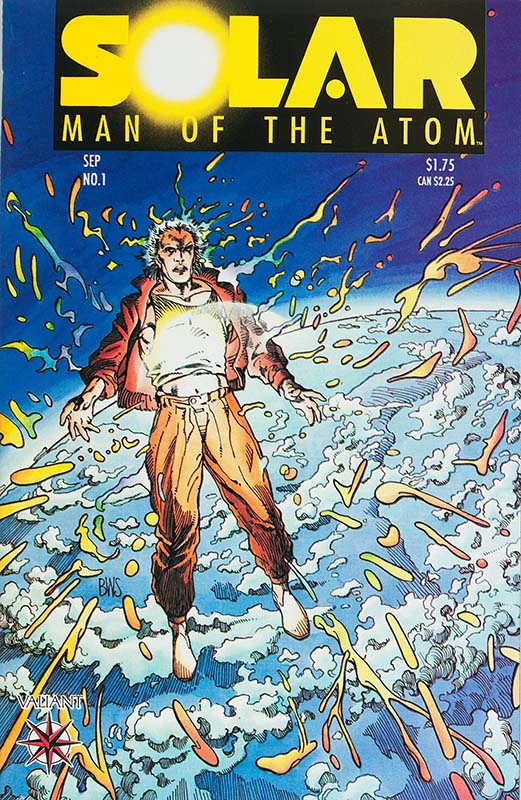
After that, the fabric of the universe was woven quickly and convincingly, with alien and human-made threats, technology, circumstances, and tone linking the titles together. Solar, Man of the Atom #1 debuted in September 1991. Magnus Robot Fighter #5 (October 1991) kicked off a four-issue arc that turned the series into a flipbook with Rai, the company’s first original title. Solar, Man of the Atom #3 (September 1991) included the first appearance of Toyo Harada and the Harbinger Foundation.
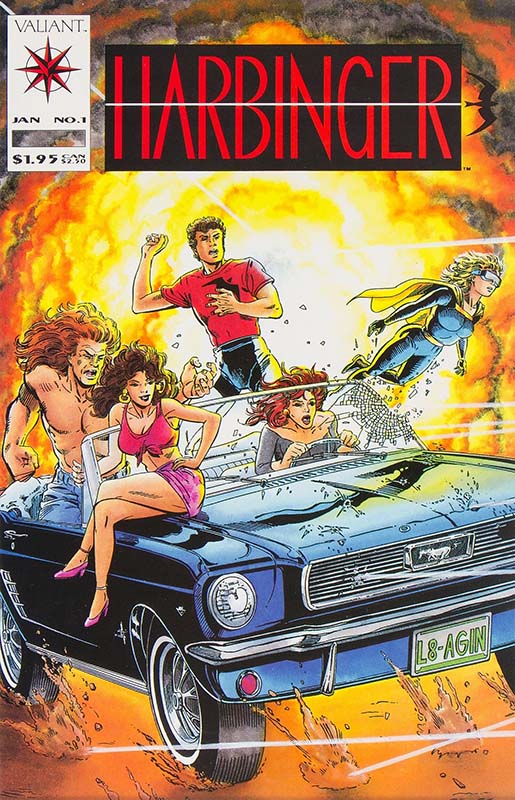
Harbinger #1 (January 1992) became their second original title. It was followed by X-O Manowar #1 (February 1992). Shadowman #1 debuted in May 1992, the same month that saw Turok, the last of the three characters licensed from Western Publishing, appear in Magnus Robot Fighter #12. Solar, Man of the Atom #10, which concluded the serialized origin story “Alpha and Omega,” appeared in June 1992. Archer & Armstrong #0 hit stands in July 1992, and the table was set. The tightly written continuity had led the stories inexorably to Unity, an event that ran through all of the company’s titles for two months, and firmly established the Valiant universe.
With the company on an upward trajectory, Shooter was forced out, Bob Layton took over as Editor-in-Chief, and new titles continued to roll out, including Bloodshot #1 (February 1993) and Turok Dinosaur Hunter #1 (July 1993). As the 1990s comic book boom accelerated, the company was sold to video game maker Acclaim Entertainment for a reported $65 million.

Popular Topics
Overstreet Access Quick Links
Valiant Takeover in this Week’s Off the Presses
Former Marvel Comics Editor-in-Chief Jim Shooter, entertainment lawyer Steven J. Massarsky and a group of investors formed Voyager Communications in 1989. Their venture would lead to the launch of the Valiant imprint and a slate of refreshed superheroes and new characters. This week in our Off the Presses section, we are reviewing just a few of our favorite Valiant issues and covers. But first, we are taking a look back at key moments in the line of comics.
While the company became known for its superhero line, they were not the company’s first offerings. Utilizing many of the same creators who would soon define their better-selling efforts, Valiant produced Adventures of Super Mario Bros. and others under a Nintendo license, and WWF Battlemania.
Magnus Robot Fighter #1 (May 1991) saw the debut of that universe. The character had originally appeared in Magnus Robot Fighter 4000 A.D. #1 from Gold Key (February 1963). Shooter and company had licensed Magnus, Solar, and Turok from Gold Key’s parent, Western Publishing, on terms that Shooter has described as “a sweetheart deal.”
After that, the fabric of the universe was woven quickly and convincingly, with alien and human-made threats, technology, circumstances, and tone linking the titles together. Solar, Man of the Atom #1 debuted in September 1991. Magnus Robot Fighter #5 (October 1991) kicked off a four-issue arc that turned the series into a flipbook with Rai, the company’s first original title. Solar, Man of the Atom #3 (September 1991) included the first appearance of Toyo Harada and the Harbinger Foundation.
Harbinger #1 (January 1992) became their second original title. It was followed by X-O Manowar #1 (February 1992). Shadowman #1 debuted in May 1992, the same month that saw Turok, the last of the three characters licensed from Western Publishing, appear in Magnus Robot Fighter #12. Solar, Man of the Atom #10, which concluded the serialized origin story “Alpha and Omega,” appeared in June 1992. Archer & Armstrong #0 hit stands in July 1992, and the table was set. The tightly written continuity had led the stories inexorably to Unity, an event that ran through all of the company’s titles for two months, and firmly established the Valiant universe.
With the company on an upward trajectory, Shooter was forced out, Bob Layton took over as Editor-in-Chief, and new titles continued to roll out, including Bloodshot #1 (February 1993) and Turok Dinosaur Hunter #1 (July 1993). As the 1990s comic book boom accelerated, the company was sold to video game maker Acclaim Entertainment for a reported $65 million.
Popular Topics
Overstreet Access Quick Links