



Inside the Guide: Blondie’s Success in the 1970s

Blondie began as a New York punk band and became the most commercially successful group of its kind in the 1970s. They played new wave and punk, mixing in pop with British Invasion rock, and garage rock, but didn’t stop there. They also experimented with reggae, disco, Latin rhythms, hip hop, even avant-garde, and drew on 1960s musical subgenres like girl group pop.
In the mid-1970s, lead singer Deborah Harry became the third lead singer for the glitter rock group, The Stilettoes, and guitarist Chris Stein joined the band in October 1973. Harry and Stein revamped the band, first calling it Angel and the Snakes, before christening it as Blondie. After a fluctuating lineup, Clement Burke joined as the drummer, Gary Valentine as bassist, and James Destri on keyboard.
As the lineup was established, they regularly appeared at CBGB, home of the growing punk scene. They released Blondie’s self-titled debut album 1976, featuring their first single “X Offender.” They performed in LA at Whisky-a-Go-Go, opened for Iggy Pop, and played their first British concert in ’77. In July of that year, Valentine left the band to form Gary Valentine and the Know, and he was replaced by Frank Infante. Bassist Nigel Harrison joined the band and Infante moved to guitar.

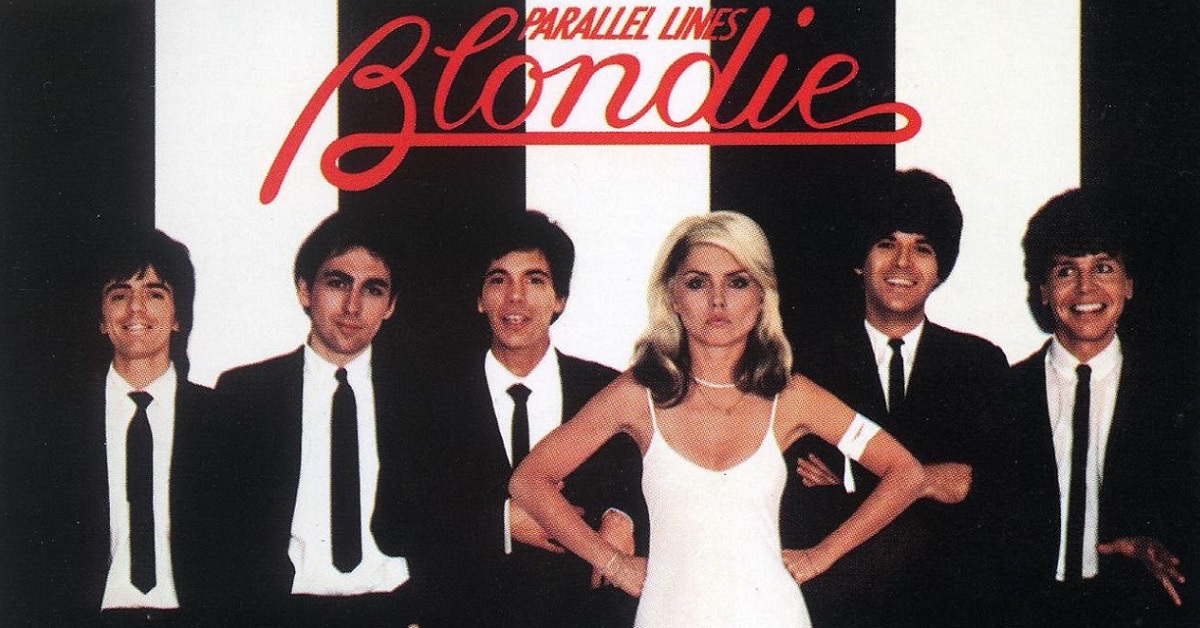
In early ’78 they released “Denis” and “(I’m Always Touched by Your) Presence, Dear,” from their second studio album, Plastic Letters, charting in the UK and the US. Their third album, Parallel Lines, came out in September, becoming a breakthrough for new wave music. This one featured hits like “Picture This,” “Hanging on the Telephone,” the energetic disco-style “Heart of Glass,” and the catchy, upbeat stalker love song, “One Way or Another.” The album went platinum.
They continued churning out music at a rapid rate with their fourth album, Eat to the Beat, released in October ’79. Singles on this one included the fantastical new wave song “Dreaming,” followed by “Union City Blue,” and “Atomic,” another disco-style song.
In November 1980, they dropped Autoamerican, which contained more adventurous stylistic choices. They tried their hand at reggae on “The Tide is High,” and “Rapture” featured an extended rap verse by Harry. At this point rap had been a New York underground style, so Blondie’s rap inclusion in their rock song gave many their introduction to the musical style.
Blondie continued producing albums and touring together for years, with the usual bumps in the road for a rock band as they disagreed over style choices or control of the band. They were inducted into the Rock and Roll Hall of Fame in 2006.

Popular Topics
Overstreet Access Quick Links
Inside the Guide: Blondie’s Success in the 1970s
Blondie began as a New York punk band and became the most commercially successful group of its kind in the 1970s. They played new wave and punk, mixing in pop with British Invasion rock, and garage rock, but didn’t stop there. They also experimented with reggae, disco, Latin rhythms, hip hop, even avant-garde, and drew on 1960s musical subgenres like girl group pop.
In the mid-1970s, lead singer Deborah Harry became the third lead singer for the glitter rock group, The Stilettoes, and guitarist Chris Stein joined the band in October 1973. Harry and Stein revamped the band, first calling it Angel and the Snakes, before christening it as Blondie. After a fluctuating lineup, Clement Burke joined as the drummer, Gary Valentine as bassist, and James Destri on keyboard.
As the lineup was established, they regularly appeared at CBGB, home of the growing punk scene. They released Blondie’s self-titled debut album 1976, featuring their first single “X Offender.” They performed in LA at Whisky-a-Go-Go, opened for Iggy Pop, and played their first British concert in ’77. In July of that year, Valentine left the band to form Gary Valentine and the Know, and he was replaced by Frank Infante. Bassist Nigel Harrison joined the band and Infante moved to guitar.
In early ’78 they released “Denis” and “(I’m Always Touched by Your) Presence, Dear,” from their second studio album, Plastic Letters, charting in the UK and the US. Their third album, Parallel Lines, came out in September, becoming a breakthrough for new wave music. This one featured hits like “Picture This,” “Hanging on the Telephone,” the energetic disco-style “Heart of Glass,” and the catchy, upbeat stalker love song, “One Way or Another.” The album went platinum.
They continued churning out music at a rapid rate with their fourth album, Eat to the Beat, released in October ’79. Singles on this one included the fantastical new wave song “Dreaming,” followed by “Union City Blue,” and “Atomic,” another disco-style song.
In November 1980, they dropped Autoamerican, which contained more adventurous stylistic choices. They tried their hand at reggae on “The Tide is High,” and “Rapture” featured an extended rap verse by Harry. At this point rap had been a New York underground style, so Blondie’s rap inclusion in their rock song gave many their introduction to the musical style.
Blondie continued producing albums and touring together for years, with the usual bumps in the road for a rock band as they disagreed over style choices or control of the band. They were inducted into the Rock and Roll Hall of Fame in 2006.
Popular Topics
Overstreet Access Quick Links