



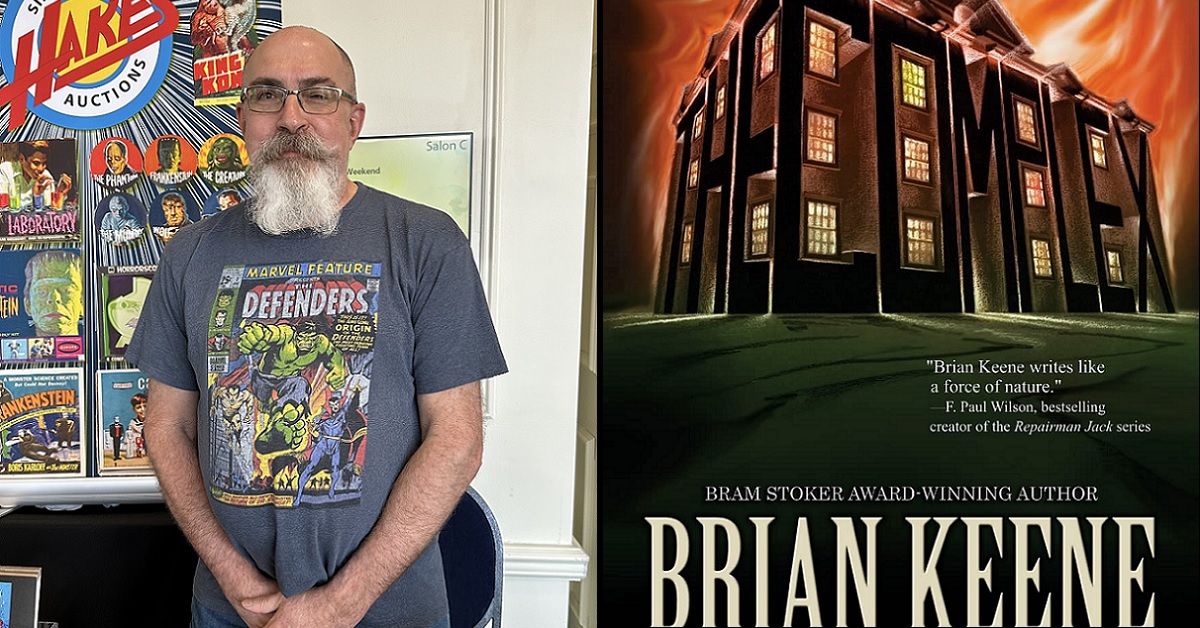
Creature Feature Weekend Interview: Brian Keene
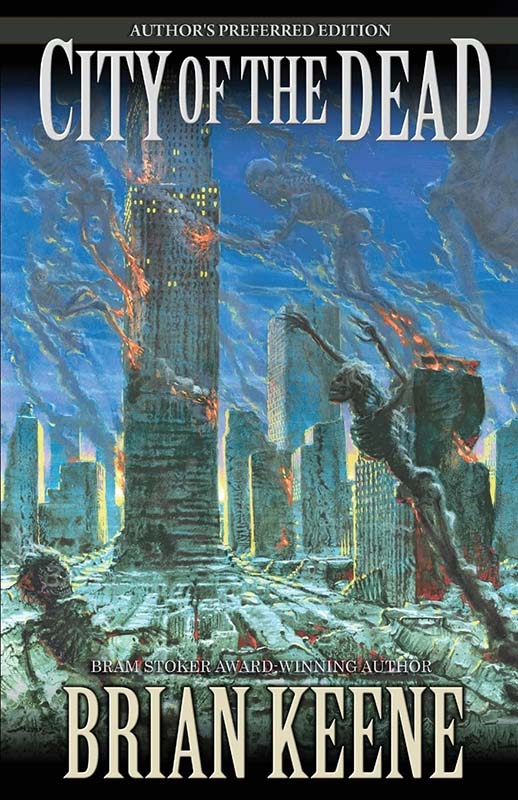
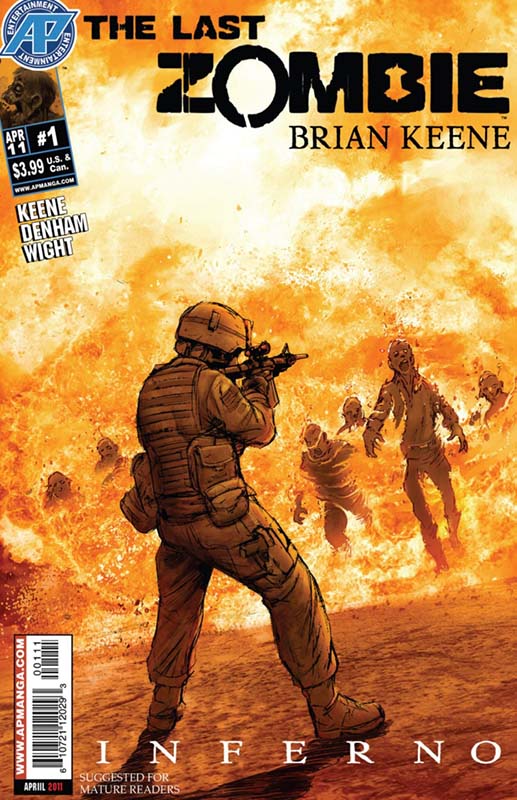
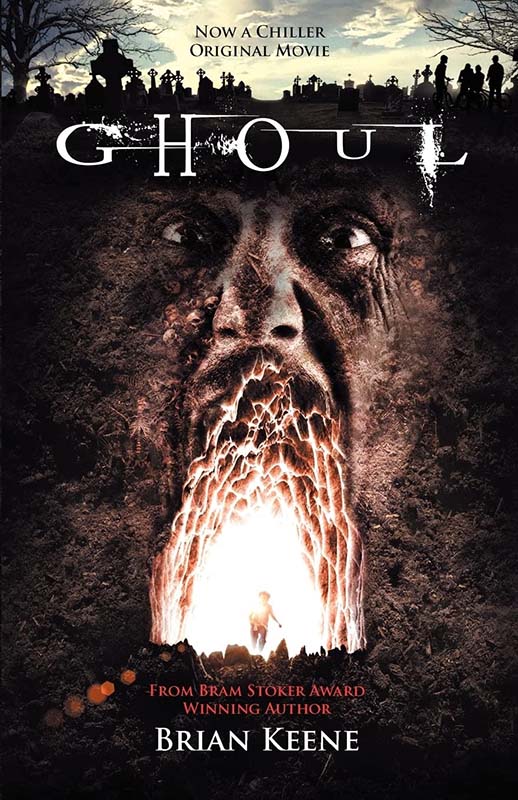
Brian Keene is a novelist, comic writer, and podcaster who specializes in horror, dark fantasy, and crime fiction. He’s known for The Rising series, standalone books like Ghoul and The Complex, and his work in comics, including Antarctic Press’ The Last Zombie and horror specials for DC. Keene was recently a guest at Creature Feature Weekend, and took a break from meeting fans for an interview with Scoop.
Scoop: Are you having fun this weekend?
Brian Keene (BK): Absolutely.
Scoop: What do you like about being part of the horror community?
BK: You know, I have been a fan of this genre since I was 8 years old, so 1976. I’m still a fan. I’ve been making my living in this community, the horror community, for the last 30 years. But I’m still a fan. And with very few exceptions, everyone I’ve ever met that I looked up to or that inspired me has been genuine and been real and just been great and welcoming. These days, of course, we talk about things like inclusivity, but that existed in the horror genre long before those were ever buzzwords.
Scoop: If you had to make a few recommendations of horror books or movies that you think any horror fan should read or watch, what would they be?
BK: Oh my gosh, how long do we have? [laughs] I mean, the great thing is, historically, horror has never been more popular than it is right now. It’s at its height of popularity. So, there’s a wealth of stuff to go through. But if I’m going to limit myself to one each, I would go with John Carpenter’s The Thing, which is a master class in slow, creeping horror until it’s no longer slow and creeping. And it’s just a great work of characterization. For a book, I’m going to go with Stephen King’s 11/22/63. It’s one of his more recent novels. I know people like to point to the classics, and with good reason, but I think 11/22/63 is the strongest work he’s ever written. It’s the work of a mature author who’s in full command of his voice. I don’t think it’s a novel he could have written in his younger years. And if you really want to see what the genre can offer other than jump scares, I would go with that.
Scoop: Now for your own work. If somebody wanted to start reading your books, what would be the best introduction?
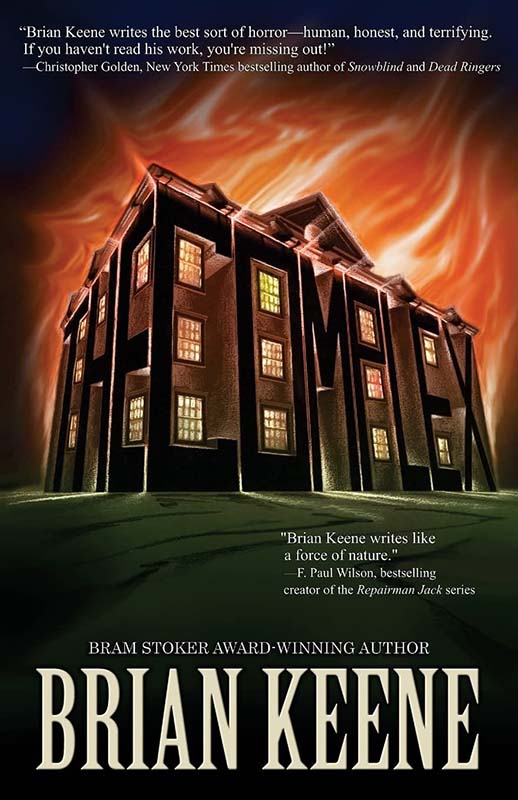
BK: I’d say The Complex. It’s not part of a series. It’s a standalone. It literally throws you into the action on page one and doesn’t let up, you know, for 200 pages. So yeah, The Complex is… if you like The Complex, you’ll probably like the rest of my books. If you don’t like The Complex, you don’t have to read any more of them.
Scoop: Once you have an idea for a book, how do you go about building the story?
BK: Oh gosh. I never start a novel until I have the character in mind, and I have the opening sentence in mind. But rarely do I know the full story. I’m one of those seats of the pants type of writers that, you know, I get the seed of an idea. Like my novel, The Rising, the idea was: what if this father had to find his son in the midst of the zombie apocalypse? So that was the idea. But I kind of make it up as I go, so I usually need to know who my characters are, though. I don’t think horror fiction works unless you have a character that the reader can empathize with. So, I need to know who they are, not so much the plot.
Scoop: What are your favorite aspects about horror to write?
BK: That’s a great question. I think the socio-political aspect, you know, shining a light on what all of us as human beings have to deal with or what we’re afraid of, regardless of our political beliefs or gender or religious makeup or anything. There are universal fears that we all share, universal truths that we all share. And I love examining those in the human condition. I think you can do that in horror, in some ways better than any other genre.
Scoop: So you’ve written many novels.
BK: Yep, 57 books at this point. [laughs]
Scoop: Nice. For comic books, what would you say are the challenges of crafting a story versus when you’re writing a novel?
BK: That’s a great question. You know, with a novel, you’re in charge. You’re the captain of the airplane. Perhaps an editor may make some suggestions, but ultimately it’s your call. Comics are always going to be a collaboration unless you’re a writer and an artist. You have to, absolutely have to work well with others. You have to be open to feedback and suggestions from your artist. If you’re good at this, you’re going to write to your artist’s strength and write things that they feel passionate about drawing. The other factor is that when you’re dealing with corporate IP, like stuff I’ve written for Marvel and DC and others, those aren’t my characters. At the end of the day, the richest kid in the neighborhood who has all the action figures has invited you over to play with the action figures. At the end of the day, they go back into that kid’s toy box.
Scoop: Has there ever been an idea you’ve had either within a book or the book itself where you thought, maybe that’s too far. Did you have to dial it back or did you just run with it?
BK: Never. I always run with it. There have been stuff in the world of comics where I’ve been told the idea was too far, but never in my own works.
Scoop: What kind of reaction do you get from your family and friends whenever they read your stuff?
BK: I mean, it used to be… my parents weren’t sure what to make of this. “Is the kid going to be able to support himself doing this?” I think that was their concern. Thirty years later, they see I’m doing all right. Now, my friends and family have always been super supportive. And it probably helps that most of my friends are peers that I came up with in this industry. Christopher Golden, Joe Hill, people no longer with us like J.F. Gonzalez and Weston Ochse. So, we’ve all kind of supported each other over the years, you know?
Scoop: What are you working on now?
BK: Right now, Christopher Golden, speaking of which, we’re working on not one, but two anthologies that we’re putting together. I’m working on a collaborative novel with Laurel Hightower, really excellent up-and-coming horror writer that everyone should check out, Laurel Hightower. And I’m actually returning to the world of comics, but I’m not allowed to talk about it yet.
Scoop: Can you give any hints?
BK: I can tell you it’s not Marvel or DC, but that’s all I can tell you.
Scoop: Oh, come on.
BK: Maybe the publisher’s initials are “IC,” but I think that’s all I can say.
Scoop: Okay, fair enough. What advice would you give to budding horror writers?
BK: Write the story that you want to read. Don’t try to say, oh, okay, witches are hot right now. I’m going to write a witch novel. Just write what it is you want to read. If you’re passionate about it and it’s something that you want to read, chances are there are people like yourself out there who want to read it. The other thing I always tell people, patience. You can go to school and learn how to write. You can learn how to edit. The one thing they will not teach you is patience. And so much of this is patience. I’ve been lucky enough to make a living doing this for 30 years, but there was a good 15 years before that where I couldn’t sell anything. So, you’ve got to be patient.
Scoop: What do you find most challenging about the writing process, whether it is novels or comics?
BK: These days, it’s a funny answer, but it’s age. My fingers don’t work as fast as they used to. I have to stop and think of the right word where I didn’t used to. It’s the slowing down aspect, which there may be a novel about that and the fear of that in the future.
Scoop: Well, thank you so much, Brian.
BK: Absolutely. Thank you for having me.

Popular Topics
Overstreet Access Quick Links
Creature Feature Weekend Interview: Brian Keene
Brian Keene is a novelist, comic writer, and podcaster who specializes in horror, dark fantasy, and crime fiction. He’s known for The Rising series, standalone books like Ghoul and The Complex, and his work in comics, including Antarctic Press’ The Last Zombie and horror specials for DC. Keene was recently a guest at Creature Feature Weekend, and took a break from meeting fans for an interview with Scoop.
Scoop: Are you having fun this weekend?
Brian Keene (BK): Absolutely.
Scoop: What do you like about being part of the horror community?
BK: You know, I have been a fan of this genre since I was 8 years old, so 1976. I’m still a fan. I’ve been making my living in this community, the horror community, for the last 30 years. But I’m still a fan. And with very few exceptions, everyone I’ve ever met that I looked up to or that inspired me has been genuine and been real and just been great and welcoming. These days, of course, we talk about things like inclusivity, but that existed in the horror genre long before those were ever buzzwords.
Scoop: If you had to make a few recommendations of horror books or movies that you think any horror fan should read or watch, what would they be?
BK: Oh my gosh, how long do we have? [laughs] I mean, the great thing is, historically, horror has never been more popular than it is right now. It’s at its height of popularity. So, there’s a wealth of stuff to go through. But if I’m going to limit myself to one each, I would go with John Carpenter’s The Thing, which is a master class in slow, creeping horror until it’s no longer slow and creeping. And it’s just a great work of characterization. For a book, I’m going to go with Stephen King’s 11/22/63. It’s one of his more recent novels. I know people like to point to the classics, and with good reason, but I think 11/22/63 is the strongest work he’s ever written. It’s the work of a mature author who’s in full command of his voice. I don’t think it’s a novel he could have written in his younger years. And if you really want to see what the genre can offer other than jump scares, I would go with that.
Scoop: Now for your own work. If somebody wanted to start reading your books, what would be the best introduction?
BK: I’d say The Complex. It’s not part of a series. It’s a standalone. It literally throws you into the action on page one and doesn’t let up, you know, for 200 pages. So yeah, The Complex is… if you like The Complex, you’ll probably like the rest of my books. If you don’t like The Complex, you don’t have to read any more of them.
Scoop: Once you have an idea for a book, how do you go about building the story?
BK: Oh gosh. I never start a novel until I have the character in mind, and I have the opening sentence in mind. But rarely do I know the full story. I’m one of those seats of the pants type of writers that, you know, I get the seed of an idea. Like my novel, The Rising, the idea was: what if this father had to find his son in the midst of the zombie apocalypse? So that was the idea. But I kind of make it up as I go, so I usually need to know who my characters are, though. I don’t think horror fiction works unless you have a character that the reader can empathize with. So, I need to know who they are, not so much the plot.
Scoop: What are your favorite aspects about horror to write?
BK: That’s a great question. I think the socio-political aspect, you know, shining a light on what all of us as human beings have to deal with or what we’re afraid of, regardless of our political beliefs or gender or religious makeup or anything. There are universal fears that we all share, universal truths that we all share. And I love examining those in the human condition. I think you can do that in horror, in some ways better than any other genre.
Scoop: So you’ve written many novels.
BK: Yep, 57 books at this point. [laughs]
Scoop: Nice. For comic books, what would you say are the challenges of crafting a story versus when you’re writing a novel?
BK: That’s a great question. You know, with a novel, you’re in charge. You’re the captain of the airplane. Perhaps an editor may make some suggestions, but ultimately it’s your call. Comics are always going to be a collaboration unless you’re a writer and an artist. You have to, absolutely have to work well with others. You have to be open to feedback and suggestions from your artist. If you’re good at this, you’re going to write to your artist’s strength and write things that they feel passionate about drawing. The other factor is that when you’re dealing with corporate IP, like stuff I’ve written for Marvel and DC and others, those aren’t my characters. At the end of the day, the richest kid in the neighborhood who has all the action figures has invited you over to play with the action figures. At the end of the day, they go back into that kid’s toy box.
Scoop: Has there ever been an idea you’ve had either within a book or the book itself where you thought, maybe that’s too far. Did you have to dial it back or did you just run with it?
BK: Never. I always run with it. There have been stuff in the world of comics where I’ve been told the idea was too far, but never in my own works.
Scoop: What kind of reaction do you get from your family and friends whenever they read your stuff?
BK: I mean, it used to be… my parents weren’t sure what to make of this. “Is the kid going to be able to support himself doing this?” I think that was their concern. Thirty years later, they see I’m doing all right. Now, my friends and family have always been super supportive. And it probably helps that most of my friends are peers that I came up with in this industry. Christopher Golden, Joe Hill, people no longer with us like J.F. Gonzalez and Weston Ochse. So, we’ve all kind of supported each other over the years, you know?
Scoop: What are you working on now?
BK: Right now, Christopher Golden, speaking of which, we’re working on not one, but two anthologies that we’re putting together. I’m working on a collaborative novel with Laurel Hightower, really excellent up-and-coming horror writer that everyone should check out, Laurel Hightower. And I’m actually returning to the world of comics, but I’m not allowed to talk about it yet.
Scoop: Can you give any hints?
BK: I can tell you it’s not Marvel or DC, but that’s all I can tell you.
Scoop: Oh, come on.
BK: Maybe the publisher’s initials are “IC,” but I think that’s all I can say.
Scoop: Okay, fair enough. What advice would you give to budding horror writers?
BK: Write the story that you want to read. Don’t try to say, oh, okay, witches are hot right now. I’m going to write a witch novel. Just write what it is you want to read. If you’re passionate about it and it’s something that you want to read, chances are there are people like yourself out there who want to read it. The other thing I always tell people, patience. You can go to school and learn how to write. You can learn how to edit. The one thing they will not teach you is patience. And so much of this is patience. I’ve been lucky enough to make a living doing this for 30 years, but there was a good 15 years before that where I couldn’t sell anything. So, you’ve got to be patient.
Scoop: What do you find most challenging about the writing process, whether it is novels or comics?
BK: These days, it’s a funny answer, but it’s age. My fingers don’t work as fast as they used to. I have to stop and think of the right word where I didn’t used to. It’s the slowing down aspect, which there may be a novel about that and the fear of that in the future.
Scoop: Well, thank you so much, Brian.
BK: Absolutely. Thank you for having me.
Popular Topics
Overstreet Access Quick Links