



Carving Out the Modern Stone Age Family
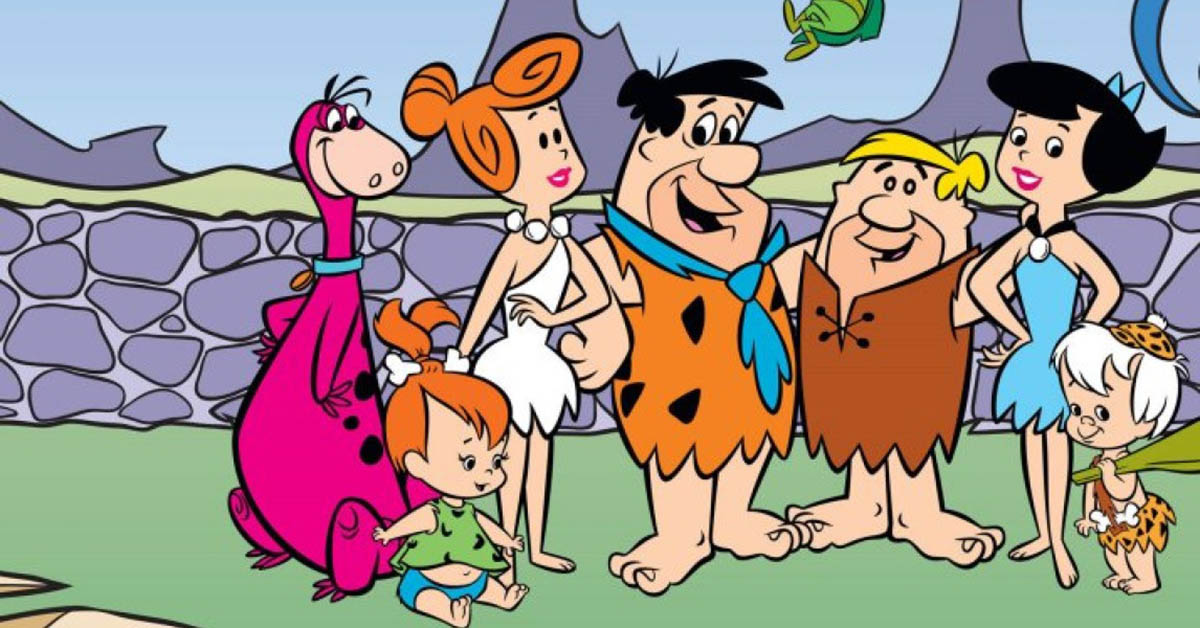
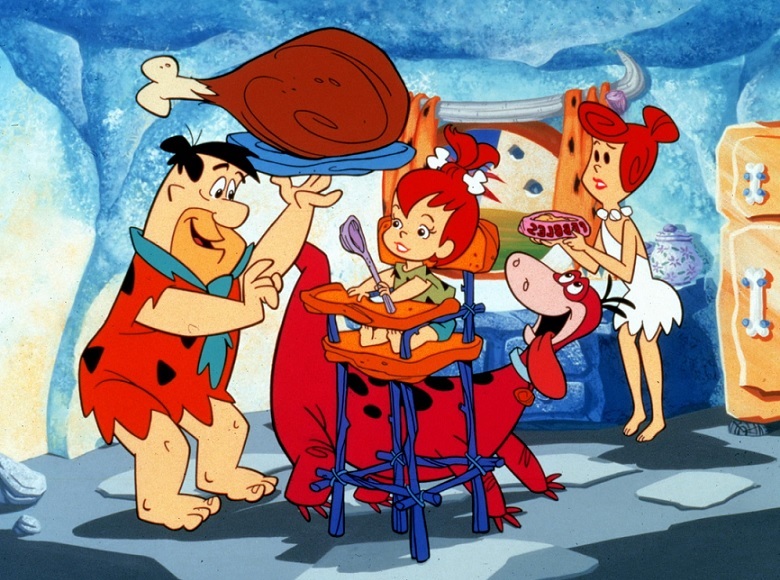
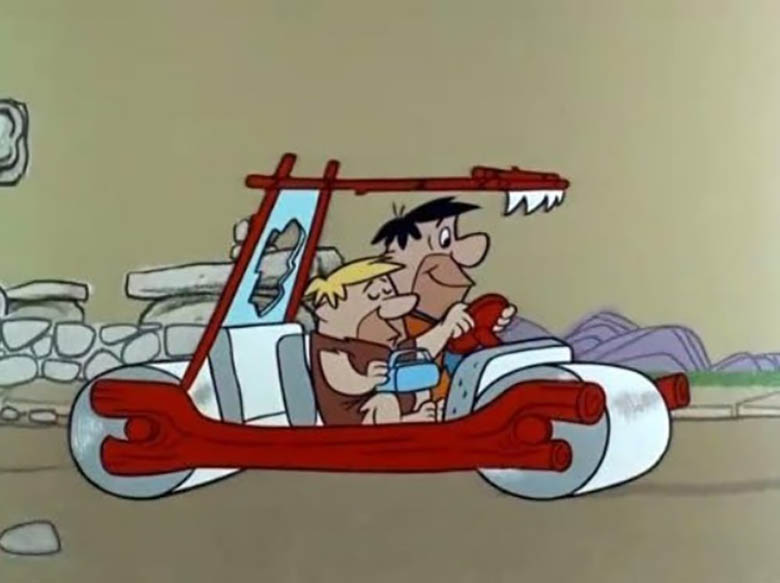
The Flintstones is an animated series about Fred and Wilma Flintstone and their best friends Barney and Betty Rubble living their best modern lives during the Stone Age. The characters enjoy modern conveniences with Stone Age twists, like Fred’s automobile powered by his own feet, and buildings made of rock. The show was also known for its generational appeal, enjoyed by children and adults alike. A popular show that aired for six seasons from 1960 to 1966, The Flintstones was the first animated series to air in a primetime slot.
In the late 1950s, Hanna-Barbera produced The Quick Draw McGraw Show and The Huckleberry Hound Show, which were successful, but their reach wasn’t quite as big as the animation studio wanted. Since they were creating cartoons, their core audience was children, but the studio heads wanted to attract more adults to their programming. So, Hanna-Barbera sought to create an animated sitcom.
During the brainstorming phase, they worked on a concept about hillbilly families to be titled The Bedrock Hillbillies or The Hatrocks and the Gruesomes, and had ideas for shows about ancient Romans, pilgrims, or Native Americans. Hanna-Barbera finally landed on a Stone Age setting, noting how easily (and comically) they could convert aspects of modern life into the much older time period.
In later interviews, William Hanna stated that he drew inspiration from The Honeymooners sitcom about a working class couple and the couple who are their best friends. Fred Flintstone specifically shared similarities with Ralph Kramden of The Honeymooners, both of whom had comedically bad tempers and fell for get-rich-quick schemes. Viewers could also see influences from Tex Avery’s The First Bad Man about a bank robber in Stone Age Dallas, and Fleischer Studios’ Stone Age Cartoons featuring people living modern lives with the primitive means from the Stone Age.
They hired TV writer Harry Winkler (The Addams Family) to write a treatment for what was then-called The Flagstones. Hanna and Barbera spent weeks doing presentations for networks and ad agencies to drum up interest for the show. Once the show entered production, the title started as The Flagstones, then became The Gladstones, before landing on The Flintstones.
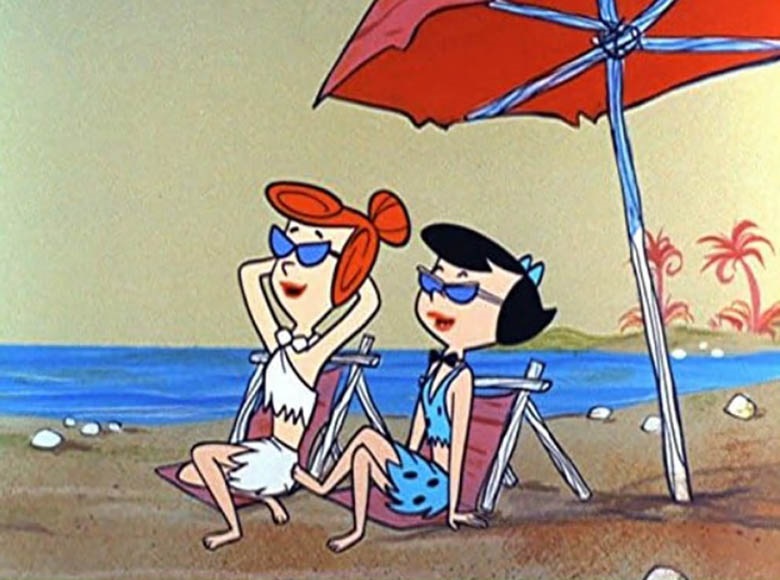
Since Hanna-Barbera wanted the show to appeal to adult viewers, they hired live-action sitcom writers like Herbert Finn (The Jackie Gleason Show) and Sydney Zelinka (The Honeymooners) to work with animation writers like Warren Foster (The Bugs Bunny Show) and Michael Maltese (The Yogi Bear Show). They added humor in line with primetime sitcoms, even included a laugh track, and episodes often featured family dustups that were neatly resolved by the end of episodes.
Hanna-Barbera’s approach paid off, gaining fans of all ages. In 1961, The Flintstones became the first animated series nominated for an Emmy for Outstanding Comedy Series. The show became a cultural touchstone and is recognized among the most popular series from the golden age of animated television.

Popular Topics
Overstreet Access Quick Links
Carving Out the Modern Stone Age Family
The Flintstones is an animated series about Fred and Wilma Flintstone and their best friends Barney and Betty Rubble living their best modern lives during the Stone Age. The characters enjoy modern conveniences with Stone Age twists, like Fred’s automobile powered by his own feet, and buildings made of rock. The show was also known for its generational appeal, enjoyed by children and adults alike. A popular show that aired for six seasons from 1960 to 1966, The Flintstones was the first animated series to air in a primetime slot.
In the late 1950s, Hanna-Barbera produced The Quick Draw McGraw Show and The Huckleberry Hound Show, which were successful, but their reach wasn’t quite as big as the animation studio wanted. Since they were creating cartoons, their core audience was children, but the studio heads wanted to attract more adults to their programming. So, Hanna-Barbera sought to create an animated sitcom.
During the brainstorming phase, they worked on a concept about hillbilly families to be titled The Bedrock Hillbillies or The Hatrocks and the Gruesomes, and had ideas for shows about ancient Romans, pilgrims, or Native Americans. Hanna-Barbera finally landed on a Stone Age setting, noting how easily (and comically) they could convert aspects of modern life into the much older time period.
In later interviews, William Hanna stated that he drew inspiration from The Honeymooners sitcom about a working class couple and the couple who are their best friends. Fred Flintstone specifically shared similarities with Ralph Kramden of The Honeymooners, both of whom had comedically bad tempers and fell for get-rich-quick schemes. Viewers could also see influences from Tex Avery’s The First Bad Man about a bank robber in Stone Age Dallas, and Fleischer Studios’ Stone Age Cartoons featuring people living modern lives with the primitive means from the Stone Age.
They hired TV writer Harry Winkler (The Addams Family) to write a treatment for what was then-called The Flagstones. Hanna and Barbera spent weeks doing presentations for networks and ad agencies to drum up interest for the show. Once the show entered production, the title started as The Flagstones, then became The Gladstones, before landing on The Flintstones.
Since Hanna-Barbera wanted the show to appeal to adult viewers, they hired live-action sitcom writers like Herbert Finn (The Jackie Gleason Show) and Sydney Zelinka (The Honeymooners) to work with animation writers like Warren Foster (The Bugs Bunny Show) and Michael Maltese (The Yogi Bear Show). They added humor in line with primetime sitcoms, even included a laugh track, and episodes often featured family dustups that were neatly resolved by the end of episodes.
Hanna-Barbera’s approach paid off, gaining fans of all ages. In 1961, The Flintstones became the first animated series nominated for an Emmy for Outstanding Comedy Series. The show became a cultural touchstone and is recognized among the most popular series from the golden age of animated television.
Popular Topics
Overstreet Access Quick Links